
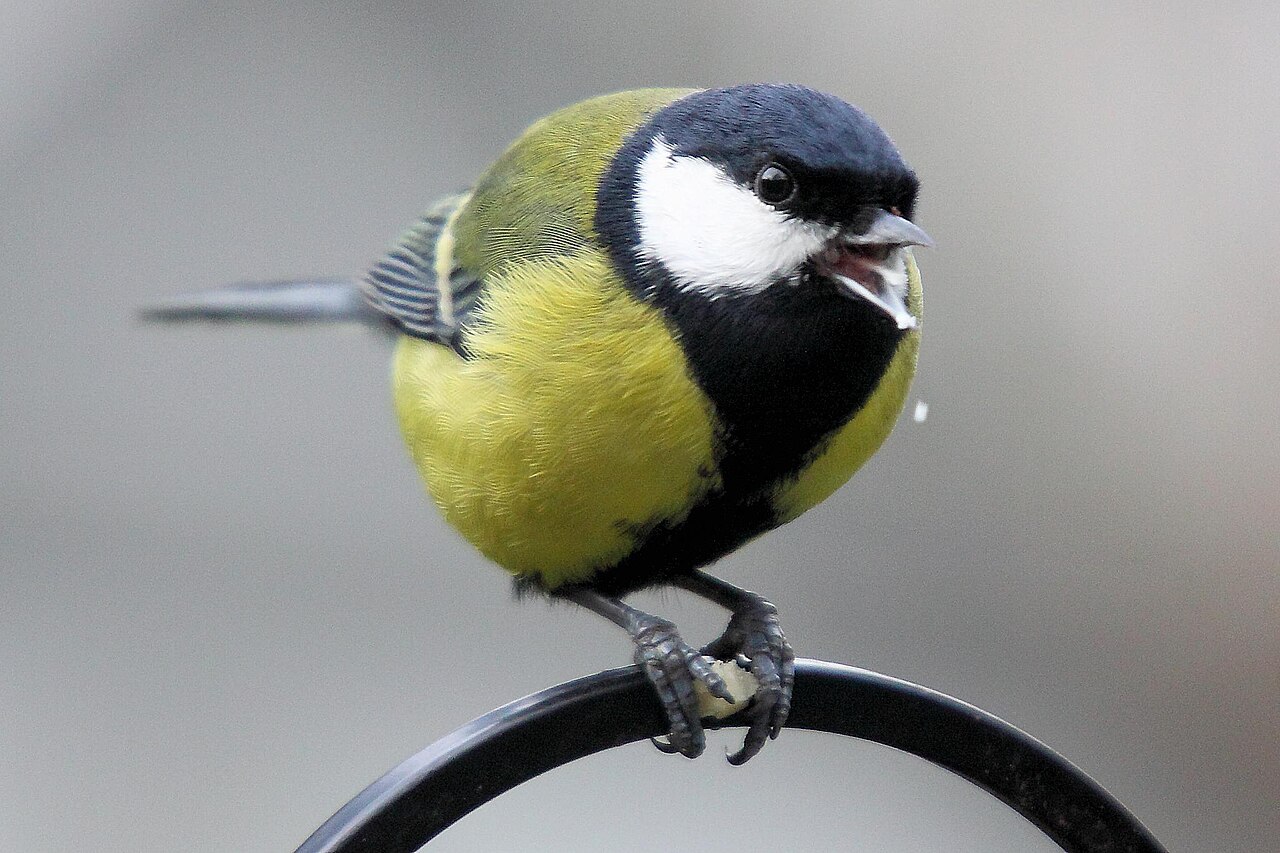
Human-made noise does not only harm people's sleep and mental health; it is also disrupting wildlife. A piece on Daily Bangladesh's agriculture and nature page highlights a study published in the journal Science which found that noise pollution seriously disturbs animals' bodies, behaviour, breeding and feeding.
Researchers Hansjoerg P Kunc and Rouven Schmidt of Queen's University Belfast in the United Kingdom analysed data from 214 experimental studies on 177 animal species in land and water habitats across six continents. They looked at how noise affects physiology, development, behaviour, reproduction and the relationship between predators and prey.
About 80 percent of the species studied showed some change in a physical or behavioural trait. Excess noise brought signs of cellular stress, raised hormone levels and irregular development. In enclosed spaces, echoes can send small animals the wrong way, drawing them out of shelter and making them easy prey.
Predators suffer too: in noisy surroundings they need about two and a half times as much effort to catch prey, while their success rate falls by about 25 percent. When one species is harmed another may take advantage, shifting the natural balance of the food web.
The biggest effect is on numbers. The study found that the presence or density of animals is about 37 percent lower in noise-polluted areas than in quiet ones: where a quiet area holds 100 animals, a noisy one holds about 63.
The researchers say protecting biodiversity means protecting the natural soundscape as well as forests, wetlands and habitats. They call for low-noise zones in sensitive natural areas, controls on noise from ships and factories, and noise-free 'acoustic refuges' for animals. The piece is by Mustakim Gias of Daily Bangladesh.
Photo: Tim Felce (Airwolfhound) / Wikimedia Commons (CC BY-SA 2.0)
Source: Daily Bangladesh

Comments
(0)