
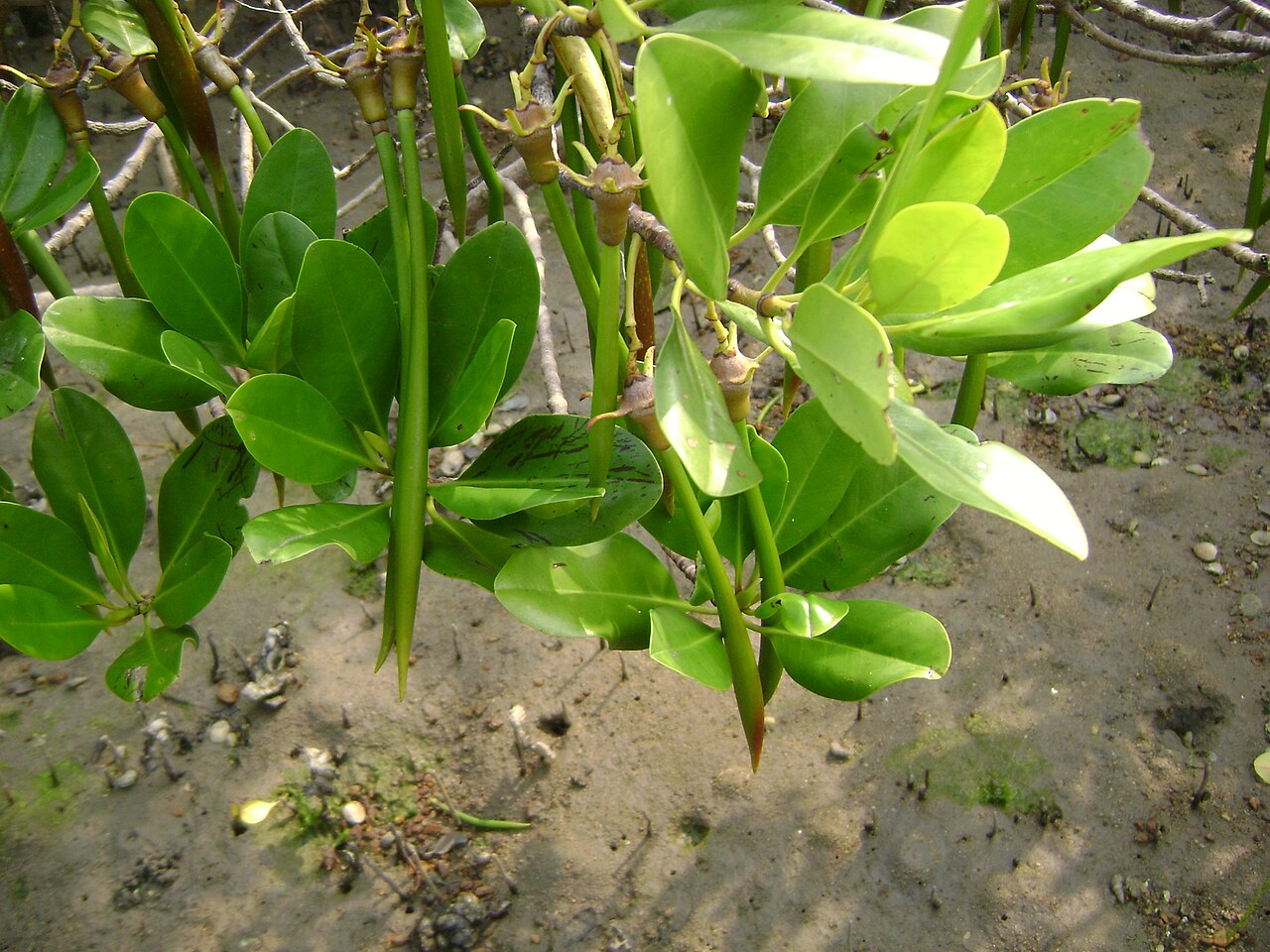
China's effort to restore its mangrove forests has worked. Between 1998 and 2020 the country's mangrove area grew from 10,617 hectares to 28,194 hectares, an increase of about 166 percent. Over the same period the bird species recorded on its coast rose from 148 to 397, and the number of birds on the IUCN threatened list in mangrove areas rose by 91 percent. Prothom Alo's environment desk reported the study on Sunday.
The research was carried out by five researchers in the department of geography and spatial information technology at Ningbo University and published in October in The Innovation, a peer-reviewed journal partnered with Cell Press. They analysed more than 13,300 Landsat satellite images in Google Earth Engine to map the forests' extent and density, took bird records from GBIF's eBird dataset, and added data on the marine environment, phytoplankton and weather.
The study found that the spread of mangroves improved coastal water quality, kept phytoplankton in check and increased small fish, shrimp and molluscs. Birds gained safe food and nesting places, and through the food chain both their abundance and the number of species rose.
The researchers credit China's long-term policies most of all: the 2000 China Wetland Conservation Action Plan, the Marine Environment Protection Law as amended in 2009, and the Wetland Protection Law in force since December 2021. On the ground there were three main measures: planting seedlings by scientific methods, turning shrimp and fish ponds back into mangrove, and removing harmful invasive plants. Warmer temperatures and more rain in those regions also helped seedlings survive and let the forest spread northwards.
Around the world, about a third of mangrove forests have been destroyed over the past half century. Bangladesh's Sundarbans is the world's largest mangrove forest and faces growing risks, while the Chakaria Sundarbans was destroyed by shrimp farming and other causes.
The report says the government is working to protect the Sundarbans and bring back the Chakaria mangroves. China's experience suggests that planting trees is not enough; coastal water and soil quality, phytoplankton and the food chain also have to be assessed. It matters to coastal fishers and shrimp farmers too, because when mangroves return, so do fish, shrimp and crabs.
Photo: Itsmine / Wikimedia Commons (CC BY-SA 3.0)
Source: Prothom Alo



Comments
(0)