
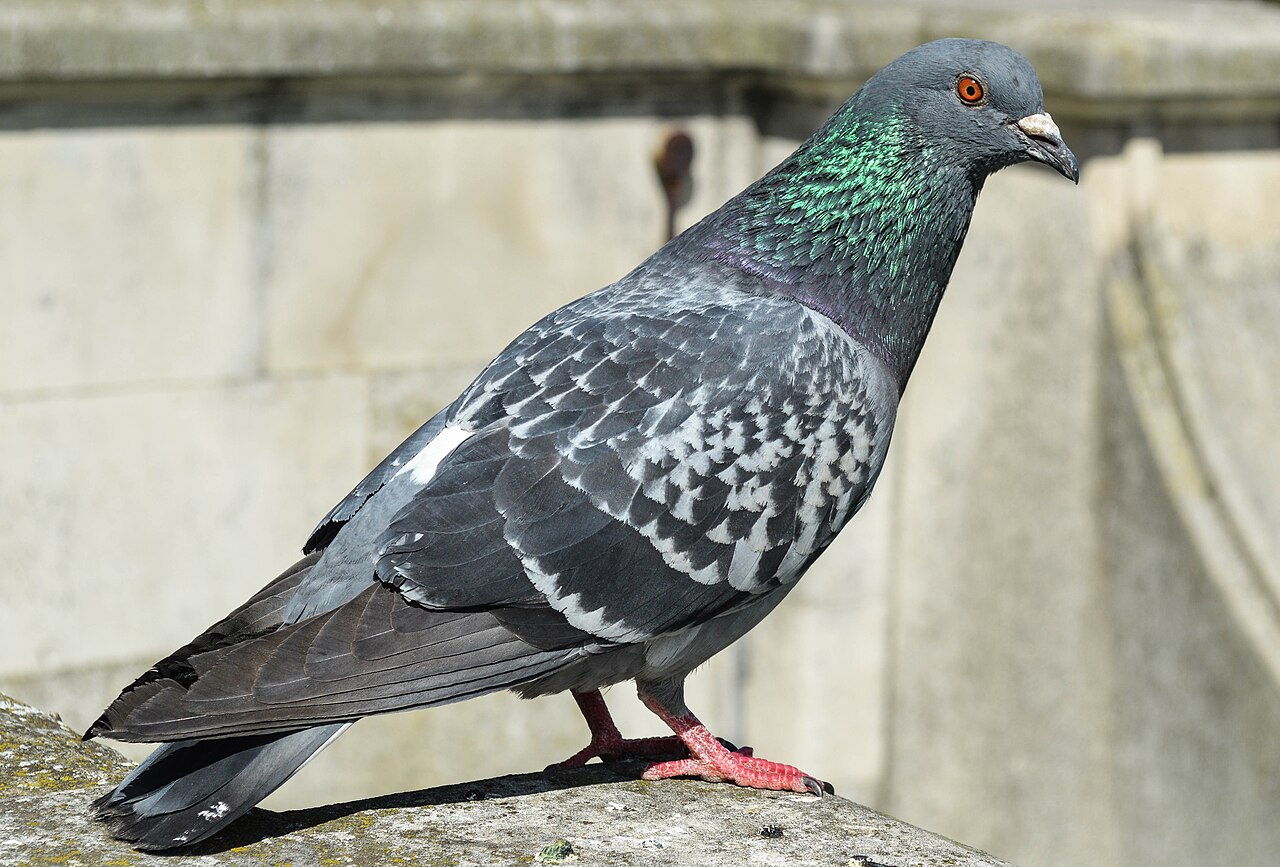
A farmer who started with three pairs of pigeons bought for just Tk 1,200 now has about 80 birds in a farm at home. Dinajpur TV's agriculture desk reports that, spending Tk 10,000 to 12,000 a month, the farm sold about Tk 50,000 worth of pigeons and squabs in September.
By the farmer's account, feed costs Tk 300 to 350 a day, or Tk 9,000 to 10,000 a month, plus Tk 1,000 to 2,000 a month for preventive and other medicines. The first birds began laying after six months; early squabs were kept to build the flock rather than sold, and sales began once the farm had grown.
Apart from a one- or two-month rest in the monsoon, a pair produces nine to ten pairs of squabs a year, laying again before the last pair is grown. Local pigeon meat is most in demand, and a pair of local squabs sells for about Tk 300. Besides local birds the farm keeps Giribaj, Gheyachunni and King pigeons, 11 breeds of fancy chickens and Giant Coturnix quail.
The farm is now well known locally, so there is no need to go to market; buyers come to the house, often ordering squabs before they are grown.
There are risks. The farmer says cold-related infections and white diarrhoea kill birds in winter; last winter about 20 to 22 died of cold and viral illness. Sick birds are now separated quickly for observation and treatment, and the flock gets regular courses of cold-prevention and deworming medicine.
Photo: Lewis Hulbert / Wikimedia Commons (CC BY-SA 4.0)
Source: Dinajpur TV
Comments
(0)