
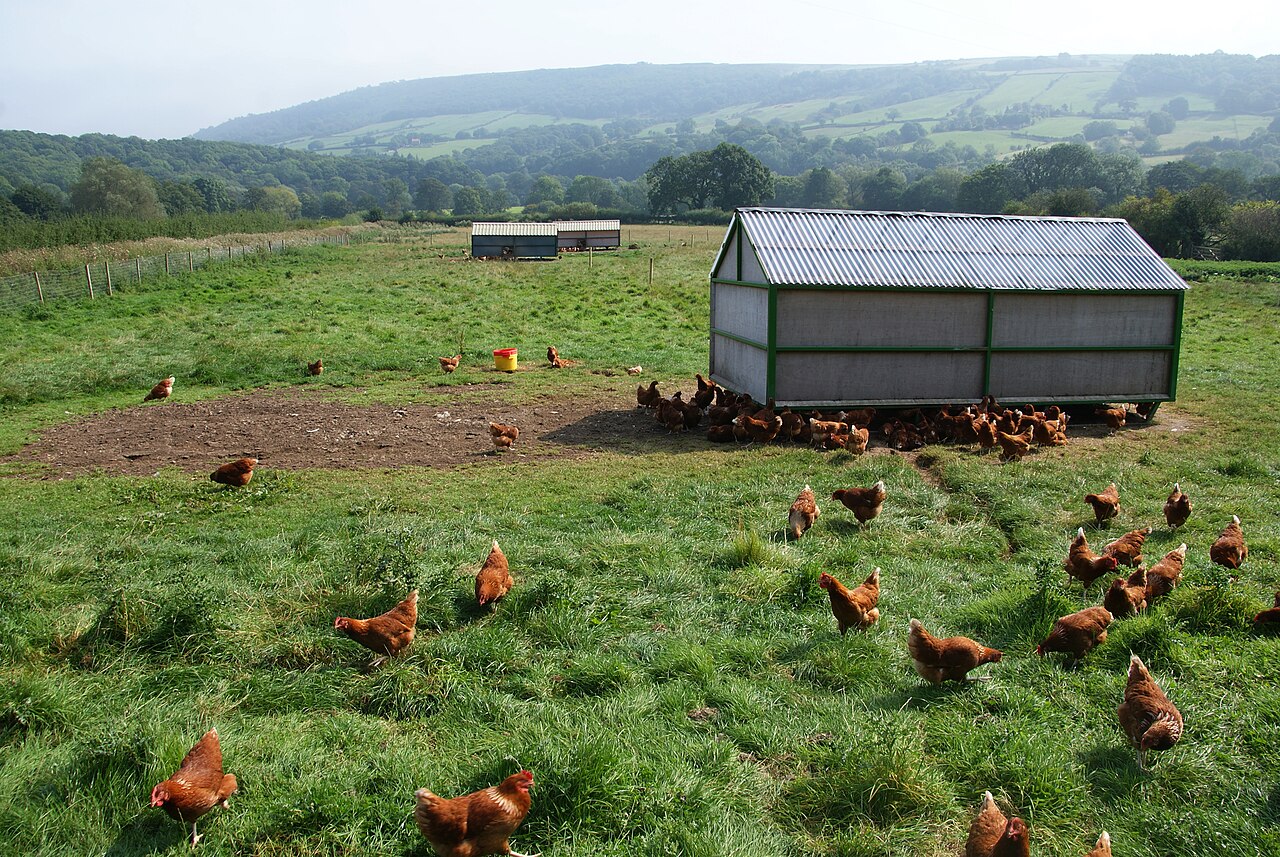
A new policy guide launched on 21 October at the UN biodiversity summit, COP17 of the Convention on Biological Diversity in Yerevan, Armenia, urges governments to build animal welfare into biodiversity and public health policy, Himanshu Nitnaware reports for Down To Earth.
The guide, Animals for Biodiversity and Health, translates the Global Action Plan on Biodiversity and Health into practical measures. Its backers say biodiversity loss, climate change, diseases that jump between animals and people, and antimicrobial resistance (AMR) share drivers: how wild animals are captured, traded and farmed, and how farm animals are reared, shapes the risk of pathogen spillover and AMR. They point to the spread of H5N1 bird flu and projections of 1.91 million deaths directly attributable to AMR by 2050.
For farm animals, the guide recommends phasing out high-risk confinement systems and conserving locally adapted, genetically diverse livestock breeds. For wildlife, it calls for banning or strictly regulating high-risk and inhumane capture, transport and trade, and for urban tree cover and wildlife corridors.
It cites examples such as Medellín's 30 green corridors, which lowered average urban temperatures by nearly 2°C, Belgium's 2009 positive list of mammals that may be kept as pets, Brazil's wildlife rehabilitation centres, which took in more than 54,000 animals in 2023, and Germany's dietary guidelines. Bangladesh and Cameroon are cited for One Health frameworks that recognise animal welfare.
"Animal health and welfare is inherently connected to biodiversity and the health of people and our planet," said Jewel Omollo of the World Federation for Animals. The launch came as the State of Biodiversity Action report warned that the world is off track to protect 30% of land and sea by 2030.
Photo: Bill Boaden / Wikimedia Commons (CC BY-SA 2.0)
Source: Down To Earth

Comments
(0)