
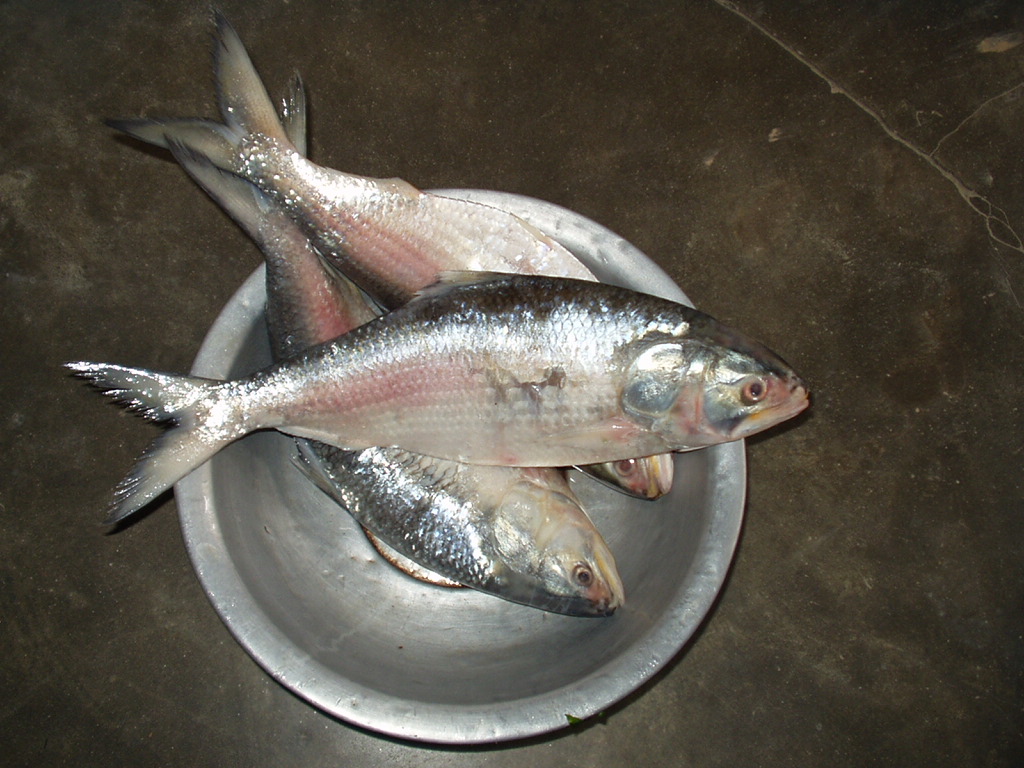
To make the current ban during the main hilsa breeding season more effective, Fisheries, Livestock and Agriculture Minister Mohammad Amin Ur Rashid has sent 111 demi-official (DO) letters to 38 districts, including 16 coastal districts. The decision was taken at a meeting of the national task force on hilsa resource development at the ministry.
According to officials, the letters went to ministers, members of parliament and deputy commissioners in those districts. They call for local people to be involved in raising awareness, for local law enforcers to be more alert to fishers going out on the rivers, and for care that food aid reaches genuine fishers.
At the meeting the minister said there would be no leniency in protecting brood hilsa, and surveillance and raids must be stepped up in the main breeding areas including Barishal, Chandpur and Bhola. District administrations, the river police, the coast guard and the fisheries department must work together, with extra boats for hotspots if needed. He ordered closer watch on ice plants, wholesale depots and markets to stop illegally caught fish being sold, and tough drives to remove illegal nets from breeding grounds including the Chandpur estuary.
State Minister Sultan Salahuddin Tuku said research must find out why hilsa production is falling, and effective action is needed to stop the making and selling of banned nets. With falling output forcing fish imports, which he called worrying, an integrated action plan will be drawn up to protect hilsa as a national resource and GI product.
According to the Department of Fisheries, during the ban until 29 October, 646,290 fishing families in 168 upazilas of 38 districts are receiving 25 kg of rice each, including 358,516 families in Barishal division, 159,595 in Chattogram division and 65,717 in Dhaka division. Transporting, storing, marketing and trading hilsa is banned nationwide during the period.
The coast guard said it has stepped up intelligence surveillance, regular and special patrols and searches of suspicious vessels in 54 upazilas of the 16 districts under it. Ministry secretary Md Delwar Hossain, Department of Fisheries director general Dr Md Khaled Konok, BFRI director general Dr Md Latiful Islam and representatives of other agencies attended the meeting.
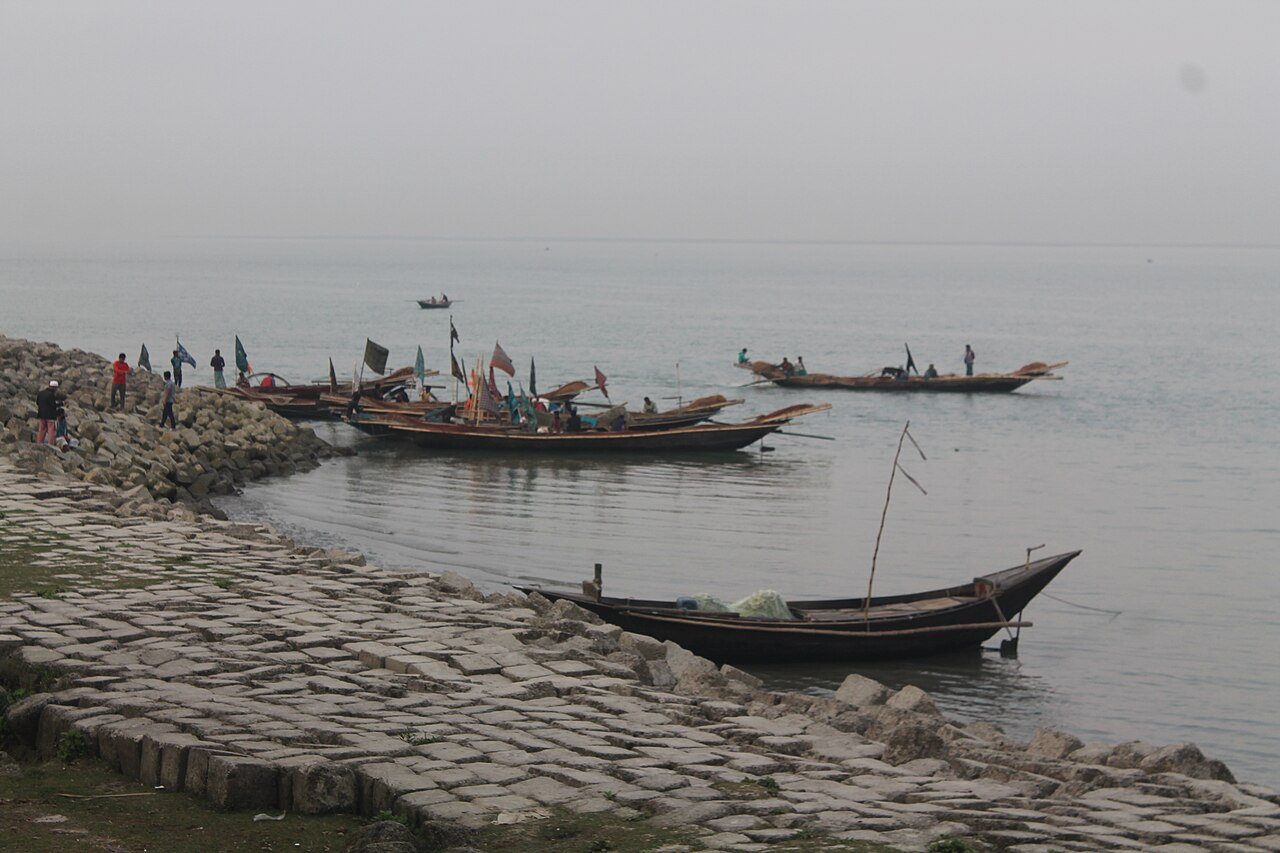
Photo: Mamun2a / Wikimedia Commons (CC BY-SA 2.5)
Source: Krishi Sangbad
Comments
(0)