
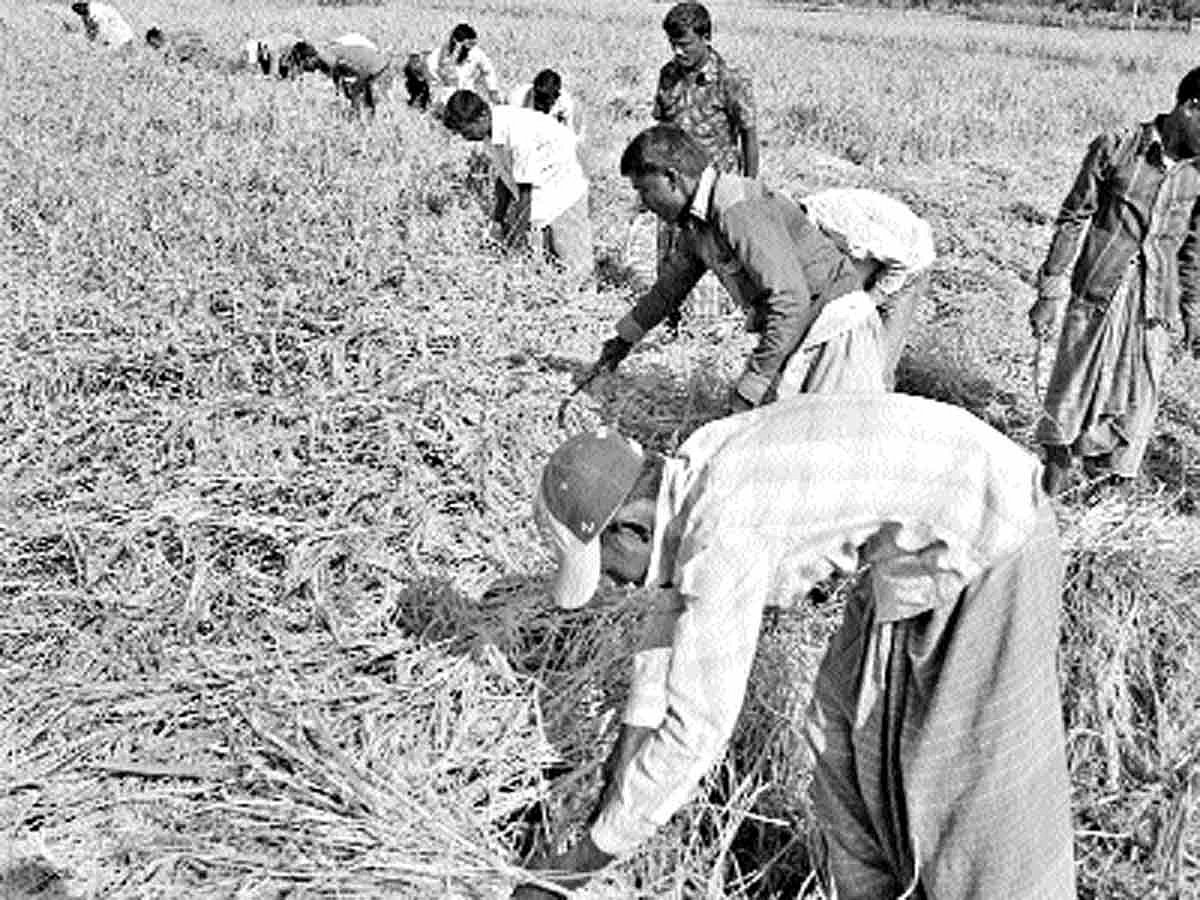
Farmers across the country are calling Shykh Seraj to report hundreds of tonnes of winter vegetables rotting in the fields. At Muladuli, Ishwardi, now the country's largest bean market, the market empties on hartal days and beans grow too large on the vines. Landless tenant farmers who borrowed from lenders and NGOs have mostly made losses.
Vegetables, cucumbers and flowers
The area's biggest cauliflower grower, known as "Kopi Bari", said winter vegetables must be picked daily; miss a market day and cauliflower bolts, radishes turn woody and beans grow seeds. Trucks cost far more than production allows. In Ullapara, Sirajganj, over 3,000 cucumber growers could not sell at even half their costs. At Godkhali, Jhikargachha, Jashore, where 1 million taka of flowers sold daily, growers have lost crores of taka.
Tomatoes and milk
In Godagari, Rajshahi, early winter tomatoes cover 3,333 hectares. Farmers normally sell about 4 billion taka worth a year, but with the blockade since 26 November, they may not sell even a quarter. Milk Vita loses 10.5 million taka a day, and more than 500 dairy farmers at Shikalbaha, Patiya, who could not supply 48,000 litres a day, poured out milk in protest. Aman paddy fell from 700 to 500 taka a maund.
Fertiliser and fuel
Fertiliser supply from Baghabari port to 16 northern districts stopped, leaving thousands of tonnes of urea in the open. Bangladesh needs 4.5 to 4.7 million tonnes of fertiliser a year, including 2.8 to 2.9 million tonnes of urea, 65 per cent of it in the Boro season, now at its peak. One day of blockade disrupts 16,000 to 18,000 tonnes of fuel supply from Patenga, hurting irrigation-dependent Boro.
Uncounted losses
The Dhaka Chamber of Commerce puts a day's hartal loss at 200 million US dollars. Economist Debapriya Bhattacharya told Seraj farm losses are huge but unmeasured, since the usual method counts one day's GDP, missing farmers' losses. Farmers have never protested, Seraj notes; if Boro targets are missed, the 60 per cent of food that depends on it will be in crisis.
Source: Shykh Seraj. First published in Bengali on The Agro News.
Comments
(0)