
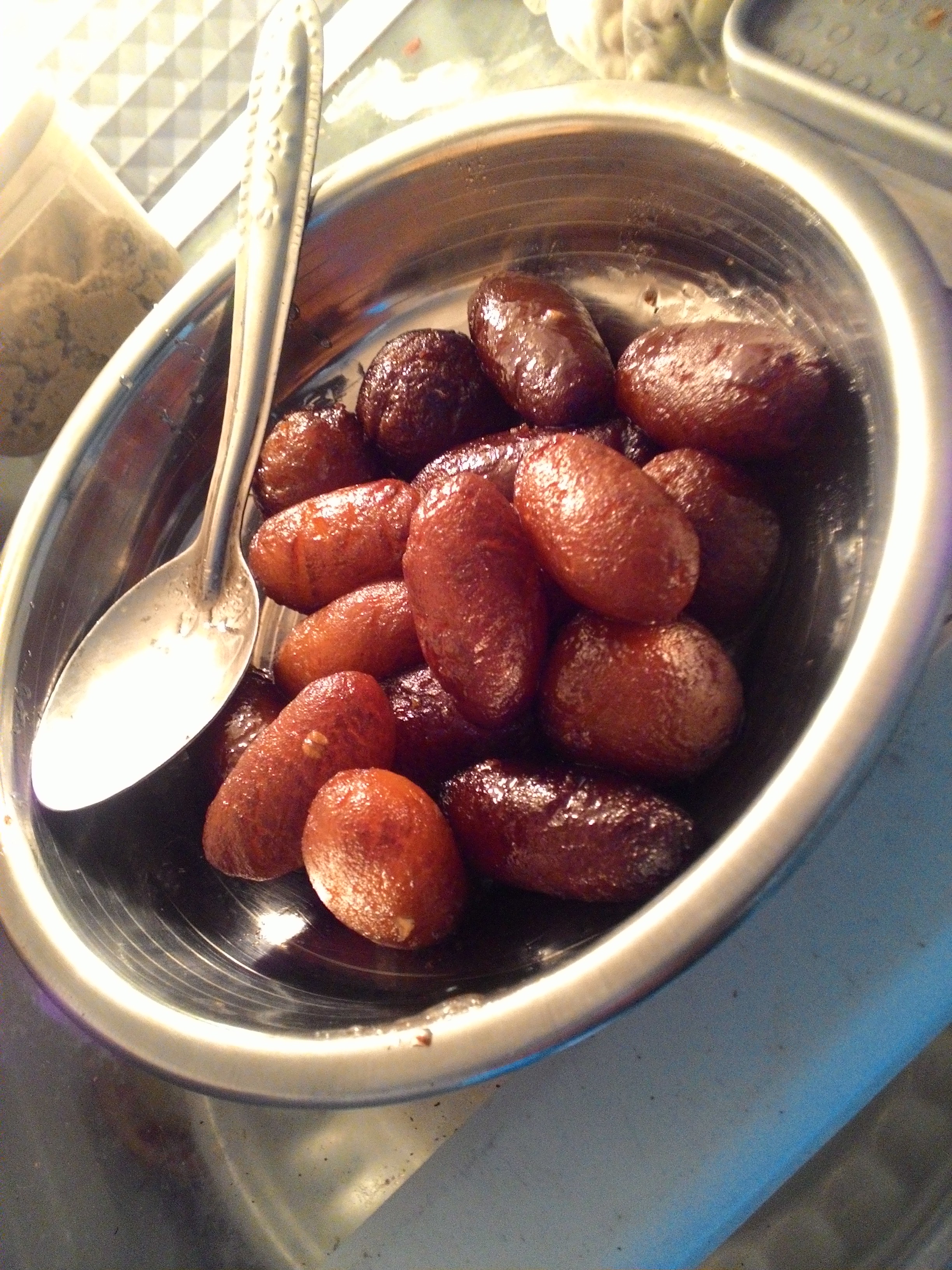
Birthdays, weddings, guests at the door and small family celebrations in Bangladesh usually come with something sweet, and one of the best-loved choices is the soft, syrup-soaked golap jam, known across South Asia as gulab jamun. On 13 February 2026 the Dhaka news site Jagonews24 published, in its lifestyle section, a simple recipe for making golap jam at home instead of buying it from a sweet shop. The recipe uses milk powder in place of the traditional khoa (milk solids made by slowly boiling down milk), together with flour, baking powder and ghee, and finishes the fried balls in a plain sugar syrup.
This report sets out that recipe as it was published, compares it with another home recipe printed in a Bangladeshi newspaper, and explains what the sweet is, where it is believed to come from, how it relates to the pantua, ledikeni and kalojam of Bengal, and how much milk Bangladesh produces for its dairy sweets. Figures and descriptions come from sources dated before the recipe appeared.
The recipe as Jagonews24 published it
The Jagonews24 recipe is written for a home kitchen and uses everyday ingredients. It names the ingredients of the dough without giving the amount of each, except for the liquid milk, and gives exact measures for the syrup. The ingredients it lists are:
- For the dough: milk powder, flour (maida), baking powder and ghee.
- Liquid milk: 9 to 10 tablespoons, added to bind the dough.
- Oil for frying.
- For the syrup: 2 cups of sugar and 4 cups of water.
- 1 cup of hot water, added at the end.
The method, step by step, as the recipe describes it:
- Mix the milk powder, flour, baking powder and ghee, add 9 to 10 tablespoons of liquid milk and knead well.
- Shape the dough into balls of the size you like.
- Fry the balls in oil over a medium flame.
- Lift them out of the oil and let them rest for 10 to 12 minutes.
- Meanwhile, put 2 cups of sugar and 4 cups of water on the stove and bring the syrup to a good boil.
- Drop the sweets into the boiling syrup while they are still lukewarm.
- Cover the pan and cook over a medium flame for 10 to 15 minutes.
- Add 1 cup of hot water, turn the sweets gently for a little while, then switch off the heat.
- Leave the golap jam in the syrup for 2 hours before serving.
Another home version: Bangla Tribune's shahi golap jam
Because the Jagonews24 recipe does not give the amounts of milk powder, flour, baking powder and ghee, a reader may find it useful to compare it with a fuller home recipe. On 24 March 2020 the Dhaka newspaper Bangla Tribune published a recipe for "shahi" (royal) golap jam that also uses milk powder. Its dough calls for 1 cup of milk powder, 1 tablespoon of flour, half a teaspoon of baking powder, a quarter teaspoon of ground cardamom, 1 egg and 1 tablespoon of ghee, with oil for frying. Its syrup uses 2 cups of water and 2 cups of sugar with 3 cardamom pods, a little saffron and 1 teaspoon of rose water.
In that version the dry ingredients are mixed first, the beaten egg and the ghee are worked in, and the soft dough is rolled into small balls. The balls are fried one at a time in oil that is only gently hot until they turn brown. The syrup is made by boiling everything except the rose water, which is stirred in when the syrup comes off the boil. The fried sweets go into the reheated syrup, stay covered for 5 minutes on the heat and are then left covered, off the heat, for about two hours before they are served.
The two recipes agree on the essentials: milk powder as the base, only a small amount of flour, a raising agent, ghee for richness, gentle frying and a long soak. They differ in the binding liquid (liquid milk in one, egg in the other), in the strength of the syrup (the Jagonews24 syrup uses twice as much water as sugar, the Bangla Tribune syrup equal parts) and in flavouring, since the Bangla Tribune version adds cardamom, saffron and rose water.
Those flavourings are the classic ones. The English-language encyclopedia entry on gulab jamun describes the syrup as usually flavoured with green cardamom and rose water, kewra (screwpine essence) or saffron. It notes that each ball is made from about half to one tablespoon of dough and that the balls are deep-fried in ghee, the traditional choice, or in oil at a low temperature, so that the outside does not brown before the inside is cooked. Warm gulab jamun is sometimes served with kulfi or vanilla ice cream.
What gulab jamun is and where the name comes from
Gulab jamun is a sweet of the Indian subcontinent. It is popular in India, Bangladesh, Nepal, Pakistan and Myanmar and in countries with large South Asian communities. At its simplest it is a ball of milk solids and a little flour, fried until brown and soaked in a light sugar syrup.
The name describes the sweet. "Gulab" comes from the Persian words gul (flower) and āb (water), and refers to the rose-scented syrup. "Jamun" is the Hindustani name of the fruit Syzygium jambolanum, the Java plum or black plum, which is about the same size and shape as the sweet. In Bangladesh the sweet is called golap jam.
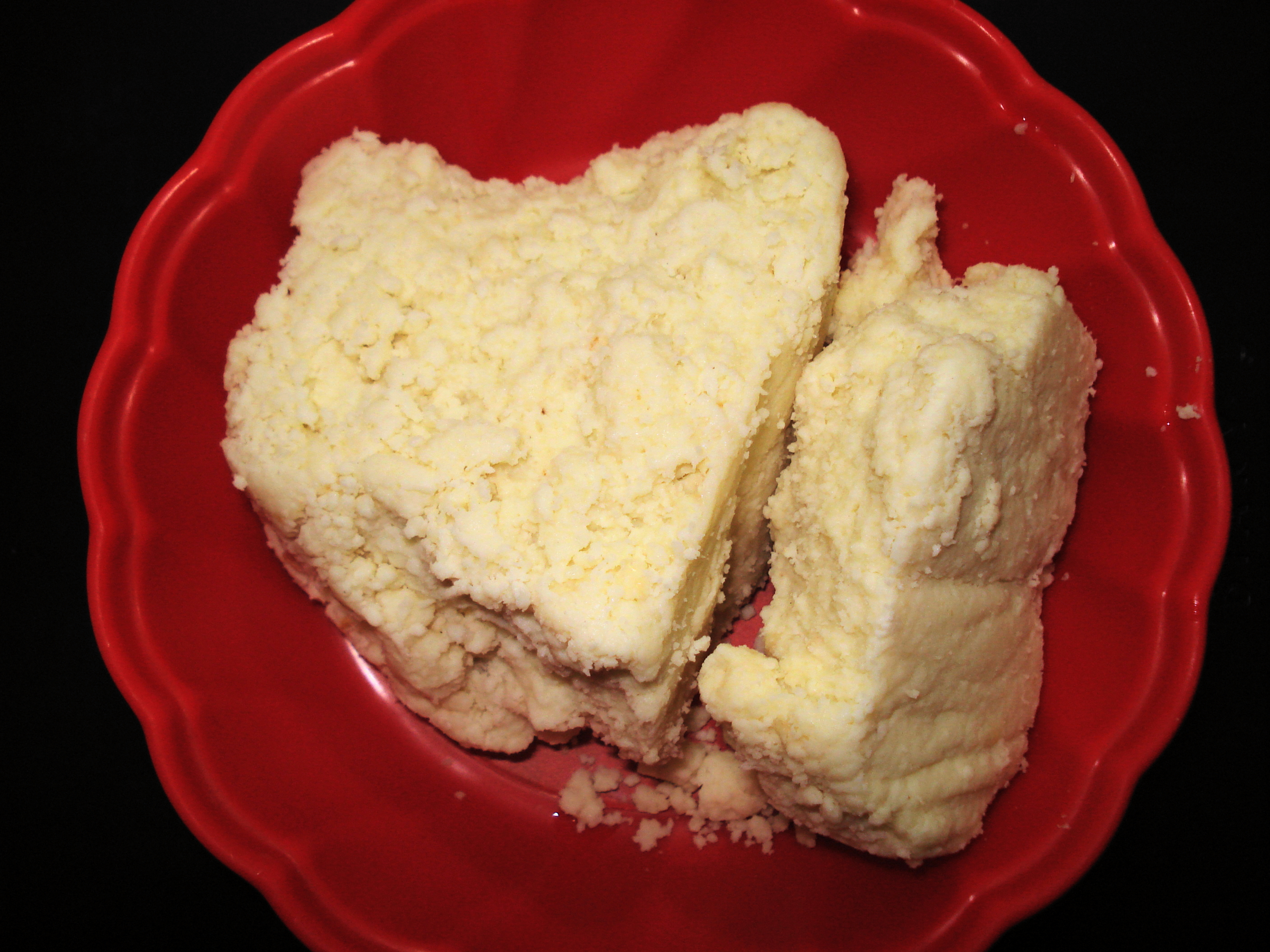
Traditionally the dough is made from khoa, also written khoya, which is milk heated over a low flame until most of its water has evaporated and only a soft dough of milk solids remains. The khoa is kneaded with flour into small balls, the balls are fried and then soaked in syrup. Newer recipes, including both the home recipes above, often replace the khoa with dried or powdered milk, which is easier to keep and needs no long boiling. Finished gulab jamun can be served at once, kept in the refrigerator, or sold in jars and cans.
A sweet with Persian and Arab cousins
The encyclopedia entry on gulab jamun links it to fried, syrup-soaked dough balls further west. A dessert called luqmat al-qadi, which means "the judge's morsels" (the Arabic luqma means a morsel or mouthful), was described in the 13th century by al-Baghdadi, whose cookery book was written in Baghdad. That dish is made from a yeast-leavened batter, fried and soaked in syrup or honey; the Arab and Ottoman empires helped spread it, and in Greece a similar sweet, loukoumades, remains a mainstay of the cuisine.
Luqmat al-qadi looked much like gulab jamun and was decorated with rose petals and soaked in rose-water syrup, but its batter was different. The gulab jamun entry on the English-language encyclopedia sums up the link this way: "The only Persian connection may be the common use of rosewater syrup." The sweet as it is known today is generally said to have taken shape in medieval India during the Mughal Empire, blending Persian and local influences.
Bengal's family of fried syrup sweets: pantua, ledikeni and kalojam
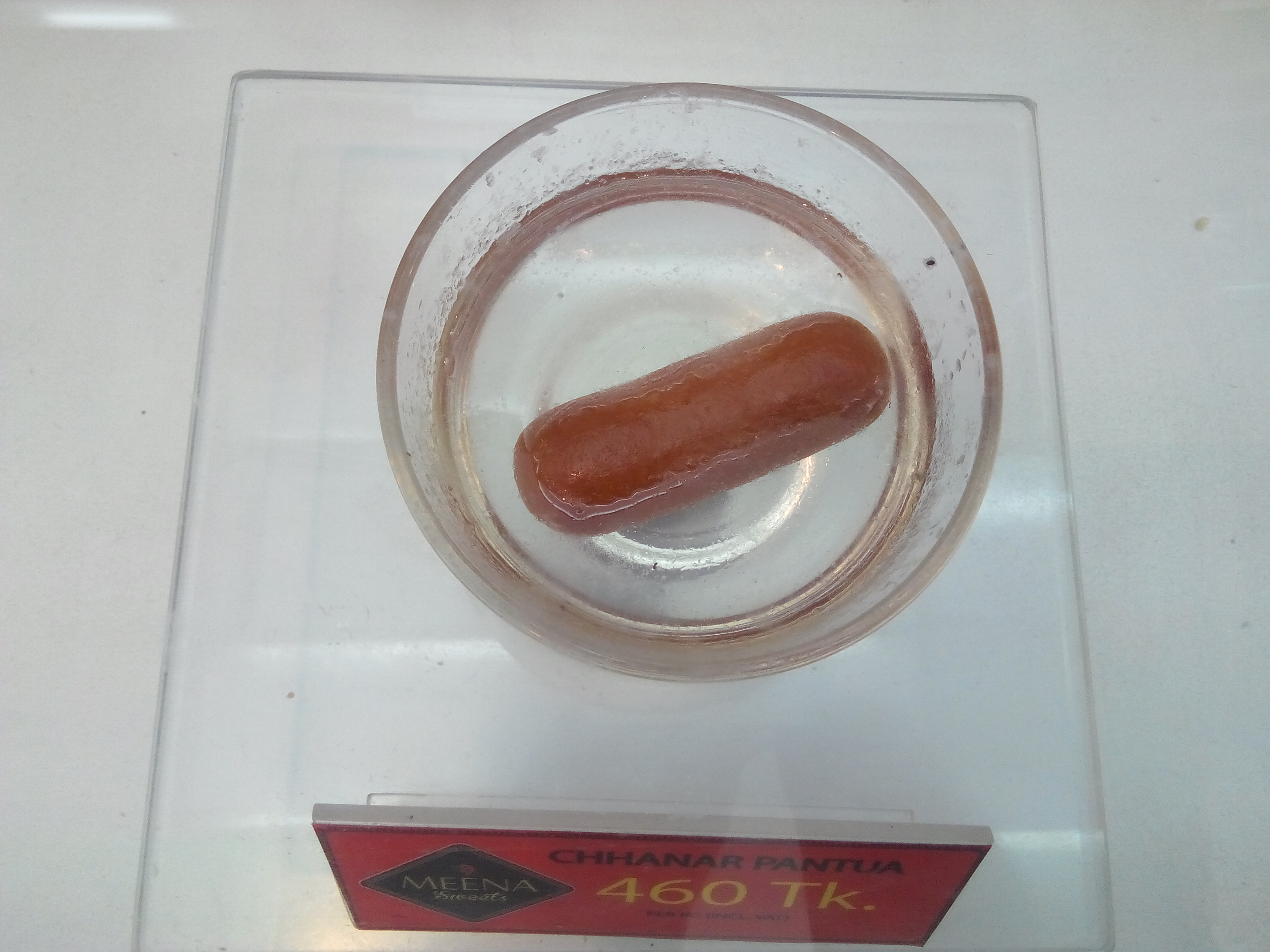
Bengal has its own versions of the fried, syrup-soaked ball, and in Bangladesh they sit side by side in sweet shop counters. The best known is pantua. It is a traditional Bengali sweet of deep-fried balls made from semolina, chhena (fresh curd cheese made by curdling milk), milk and ghee, soaked in sugar syrup. The encyclopedia entry on pantua draws the difference clearly: gulab jamun is made from khoa and flavoured with rose, while pantua is made from chhena and flavoured mainly with cardamom. Its colour can range from pale brown to almost black, depending on how long it is fried.
Ledikeni is a lightly fried, reddish-brown ball of chhena and flour soaked in syrup. Its name is a Bengali rendering of "Lady Canning". According to the best-known story, the Kolkata confectioner Bhim Chandra Nag created a special sweet in honour of Charlotte Canning, wife of Charles Canning, Governor-General of India, who lived in India from 1856 until her death in 1861. Some versions of the story tie it to her arrival, others to her birthday; another credits the sweet makers of Baharampur. The sweet is popular in both West Bengal and Bangladesh.
Banglapedia, the national encyclopedia of Bangladesh, describes the ladycanny (ledikeni) as a brown sweet named after Lady Canning and the kalojam as a darker version of it. The gulab jamun encyclopedia entry adds that in Bangladesh pantua is widely available and that the two most popular types of this family are golap jam and kalo jam. A related sweet, kala jamun, gets its near-black colour because sugar is added to the dough and caramelises during frying.
Across the border and beyond there are many more relatives. In Nepal the sweet is called lal mohan; it is sold at almost every sweet shop and its sales rise during the festivals of Tihar and Dashain. In India the encyclopedia lists, among others, the very large jamuns of Katangi made with local ghee, Rajasthan's gulab jamun cooked in a spiced gravy of nuts and tomato instead of syrup, the larger and less sweet mawa bati of Madhya Pradesh, the 19th-century makkan peda of Arcot stuffed with dried fruit and nuts, and the dry gulab jamun of Kumbakonam rolled in icing sugar and coconut. Pantua-like sweets have a long history too: a rice-flour sweet similar to pantua and ledikeni is described in the 12th-century Sanskrit text Manasollasa.
Sweets in Bangladesh's celebrations
The Jagonews24 recipe begins with a line familiar to every Bangladeshi household: a happy day hardly feels complete without sweets. Banglapedia's entry on sweetmeats, written by Mahmud Nasir Jahangiri, explains how deep that habit runs. Sweets are an important part of the diet and of social ceremonies. Hindus have long distributed sweets at pujas, and sweets are also distributed at the end of Muslim milads. Bengalis share sweets with neighbours and relatives to mark a birth, an engagement, a wedding or success in an examination.
The oldest sweets of the region grew out of rice and sugarcane farming. Guests were offered gud, the sugar made from the juice of sugarcane, palm or date palm, and gud was mixed with coconut and with chida (flattened rice) or mudi (puffed rice). Such home-made sweets are still made today.
Banglapedia also notes a difference between the sweets of Bengal and those further west. Unlike the sweets of northern India and Pakistan, which are made from ksir (thickened milk), Bengali sweets are mostly made from curdled milk. The discovery of how to curdle milk, which Banglapedia dates to the Middle Ages, transformed Bengali sweet making, and from the 16th century the Vaishnavas used such sweets widely because they were vegetarian. Common flavourings include cassia leaves, cardamom, raisins, cashew nuts and orange rind. Golap jam, made from milk solids rather than curd, belongs to the thickened-milk tradition, while its Bengali cousins pantua and ledikeni are made with chhena.
Many districts of Bangladesh are known for a particular sweet. Banglapedia names the chamcham of Porabari in Tangail, about 150 years old, oval, brownish and denser than rasagolla; the manda of Muktagachha in Mymensingh, a soft sandesh; the pyada and rasmalai of Comilla; the malaikari of Faridpur; the kanchagolla of Natore, made by soaking curd in thick syrup; the raskadam of Rajshahi, made of curd and mawa (another name for khoa) and coated in tiny sugar beads; the sweet yoghurt of Bogra; the rasagolla of Savar; and in Dhaka the amriti and jilipi, fried batter soaked in syrup, and pranhara, a soft sandesh of mawa and curd.
Several of these sweets are now protected as geographical indication (GI) products, a status granted by the Department of Patents, Designs and Trademarks (DPDT) under the Ministry of Industries. The Daily Star reported on 10 August 2023 that Natore's kancha golla had become the 17th Bangladeshi product with GI status. By 16 February 2024, Prothom Alo reported, 21 items had been certified, among them Tangail's Porabari chamcham, Cumilla's rasmalai and Bogura's curd. Under the DPDT procedure an item is published in its journal and on its website for two months, and if no one objects it is recognised as a GI product.
Khoa and milk powder: the base of the dough
Khoa is the heart of a traditional gulab jamun. A study published in 2017 in the Journal of Food Science and Technology describes khoa as "a heat desiccated milk product which serves as base material for traditional dairy based Indian sweets" and calls it one of the most important heat-desiccated milk products in India, Nepal, Bangladesh and Pakistan. Turning milk into khoa preserves its solids for longer at room temperature than liquid milk keeps.
Making khoa takes patience. Milk is boiled while it is stirred and scraped constantly with a flat ladle so that the solids do not burn on the bottom of the pan, and at the end the mass is worked into a single compact pat. The study measured fresh khoa made from buffalo milk at about 35.1 per cent fat, 17.6 per cent protein and 23.9 per cent moisture, and khoa from cow milk at about 26.5 per cent fat, 18.3 per cent protein and 29.7 per cent moisture.
The quality of the milk shows in the khoa. The same study reports that milk with more than 0.17 per cent acidity produces khoa with a grainy texture, and that khoa made from slightly sour milk had larger, harder grains, a hard body and a loose texture. Cow milk gave a product with a sticky body that tasters scored lower. Neutralising sour milk did not solve the problem: it left a salty taste and a brownish-yellow colour.
How much milk Bangladesh produces
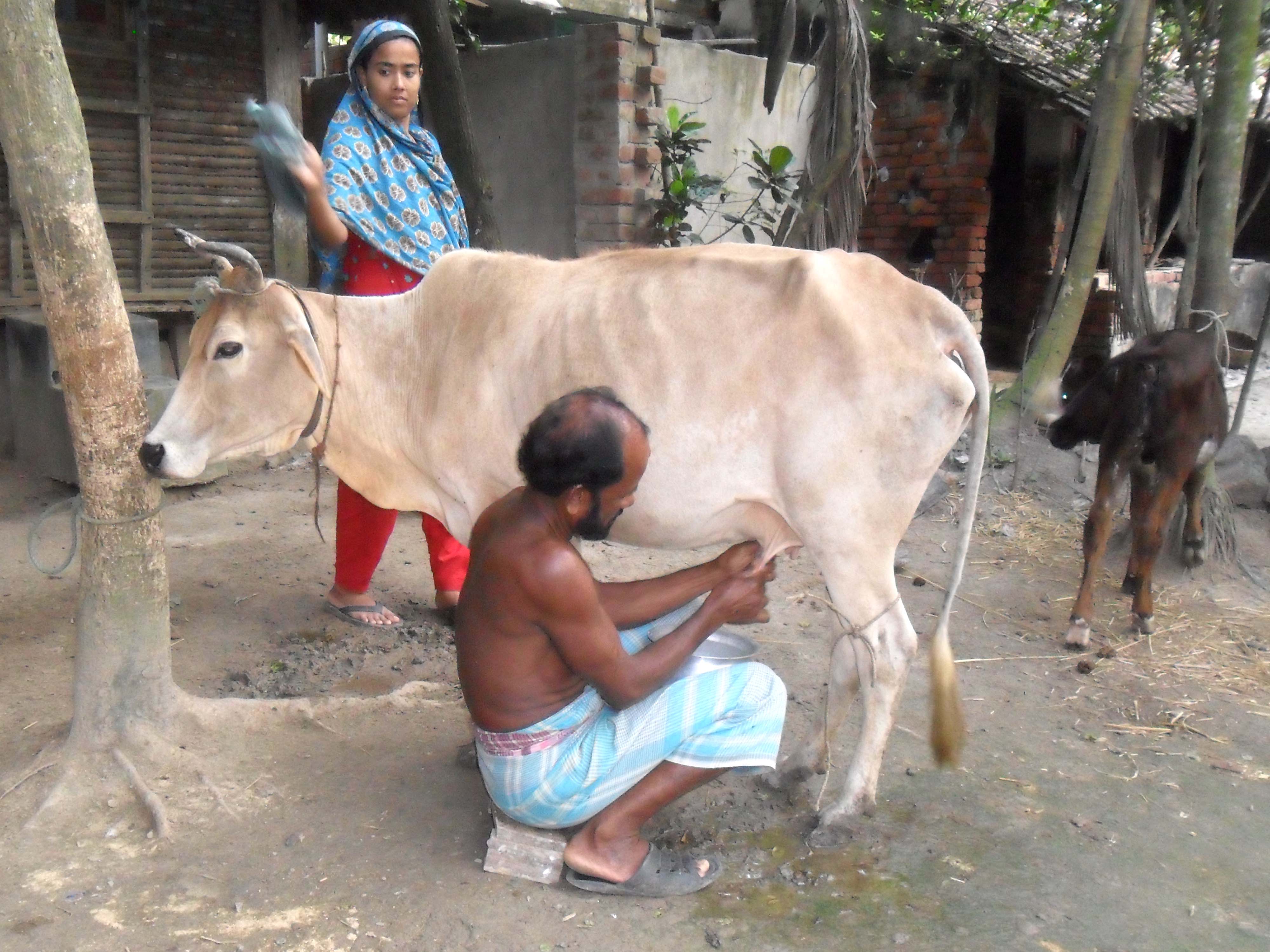
Golap jam, rasagolla, sandesh, doi and the rest of Bangladesh's sweet shop counter all depend on the country's dairy farms. The Department of Livestock Services (DLS) publishes a yearly summary, Livestock Economy at a Glance, based on data from the Bangladesh Bureau of Statistics. The edition for fiscal year 2023-24, posted on the DLS website in August 2024 and the latest available on the date of the recipe, put milk production at 150.44 lakh metric tonnes, up from 140.68 lakh tonnes in 2022-23 and more than double the 69.70 lakh tonnes of 2014-15.
Production still fell short of need. The DLS estimated the country's demand at 158.78 lakh metric tonnes, based on a recommended intake of 250 millilitres per person per day, while the milk actually available came to 234.45 millilitres per person per day. The calculation used an estimated population of 17 crore 58 lakh in July 2023.
The animals behind that milk are counted in the same summary. For 2023-24 the DLS listed 250.13 lakh cattle, 15.24 lakh buffaloes, 271.17 lakh goats and 39.03 lakh sheep, along with 3,277.77 lakh chickens and 682.61 lakh ducks. Livestock as a whole contributed 1.80 per cent of Bangladesh's gross domestic product at constant prices and 16.33 per cent of agricultural GDP, with a value of Tk 82,014 crore at current prices, and the DLS put the sector's share of employment at 20 per cent directly and 50 per cent partly.
For a home cook the link is direct: the ghee, the liquid milk and, for those who make khoa, the whole milk in a golap jam all come from these herds. Milk powder, the base of the Jagonews24 recipe, is a convenient alternative, but the traditional sweet is one of the many ways Bangladesh's own milk reaches the table.
Sugar, frying fat and a word on health
Golap jam is a festive treat, and both its sugar and its frying fat are worth keeping in mind. The World Health Organization (WHO), in a guideline issued on 4 March 2015, recommended that adults and children keep their intake of free sugars below 10 per cent of their total energy intake, and said a further cut to below 5 per cent, roughly 25 grams or about 6 teaspoons a day, would bring additional benefits. Free sugars, in the WHO definition, are the sugars added to foods and drinks by the manufacturer, the cook or the consumer, plus the sugars naturally present in honey, syrups and fruit juices. The sugar in the syrup of a golap jam is exactly this kind of sugar; the sugars naturally present in milk are not covered by the guideline. The WHO linked higher intake of free sugars with tooth decay and with weight gain.
The fat used for frying matters as well. Partially hydrogenated vegetable oil, known in Bangladesh as dalda or bonospoti ghee, is the main source of trans fat in food. The Bangladesh Food Safety Authority (BFSA) published the Controlling Trans-Fatty Acid in Foodstuffs Regulation 2021, which set a maximum of 2 per cent trans fat in the total fat of all fats, oils and foods, The Financial Express reported on 1 February 2022. The same report cited WHO figures that place Bangladesh among the 15 countries with the highest burden of deaths from heart disease caused by trans fat, with 4.41 per cent of the country's cardiovascular deaths attributed to trans fat. The recipe itself uses ghee in the dough and does not specify the frying oil.
People with diabetes, heart disease or other health conditions, and anyone following a special diet, should ask a doctor or a registered dietitian how sweets such as golap jam fit into their meals.
Photo: Sushrut14393 / Wikimedia Commons (CC BY-SA 4.0)
Sources: Jagonews24, Bangla Tribune, Banglapedia, Wikipedia (gulab jamun, pantua, ledikeni, luqmat al-qadi), Journal of Food Science and Technology, Department of Livestock Services (DLS), The Daily Star, Prothom Alo, World Health Organization (WHO), The Financial Express
Comments
(0)