
The Green Climate Fund (GCF) has approved two projects worth $184.8 million in Algeria and Mexico, supported by the Food and Agriculture Organization of the United Nations (FAO), to restore land, protect forests and make rural livelihoods more resilient to climate change. The approvals came at the 46th meeting of the GCF Board in Songdo, Republic of Korea.
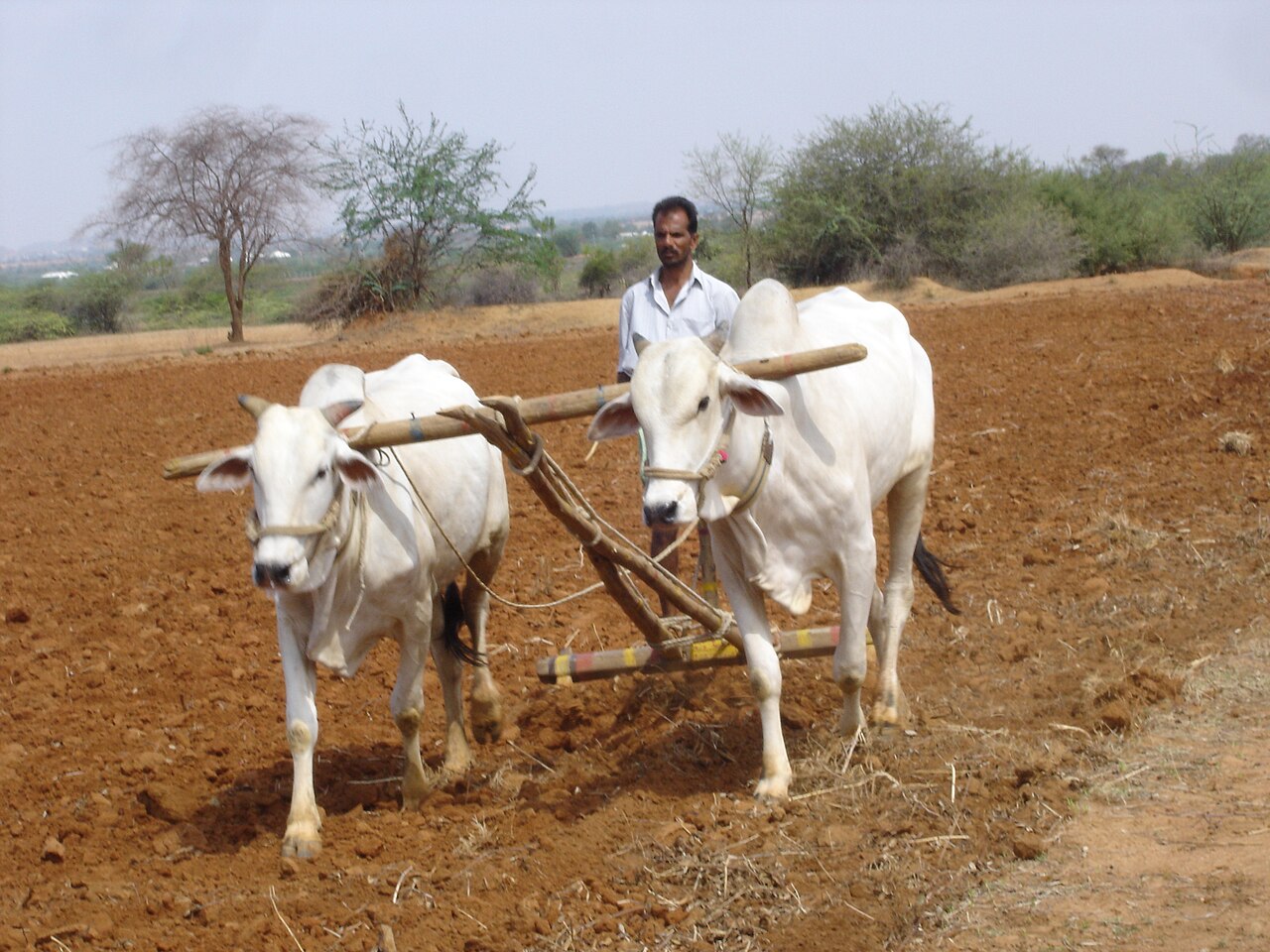
In Algeria, the country's first GCF-funded project builds on the Green Dam, an ecological belt of about 1,500 km launched in 1971 across the pre-Saharan steppe to hold back desertification. Over seven years it will cover 454,138 hectares in six provinces, reach more than one million people and directly support over 142,000 farmers, herders and pastoralists, more than a third of them women. Over 59,000 hectares of degraded forest, rangeland, dunes and farmland are to be restored.
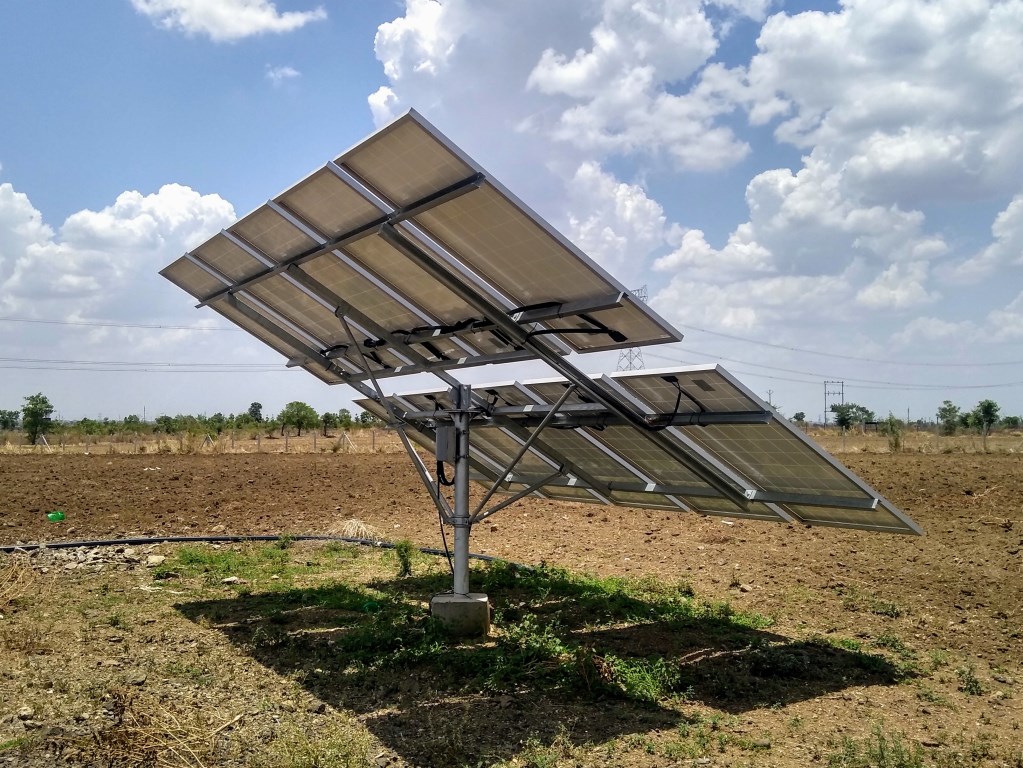
The Algerian plan includes 190 solar energy kits for refrigeration and processing, and 240 hydroponic forage units to give year-round feed to more than 25,000 livestock. It will also back value chains for prickly pear, olive, rosemary, wool, esparto grass and peppermint. The GCF grant is $43 million and the government adds $56.5 million, which GCF says is 57 percent of the investment.
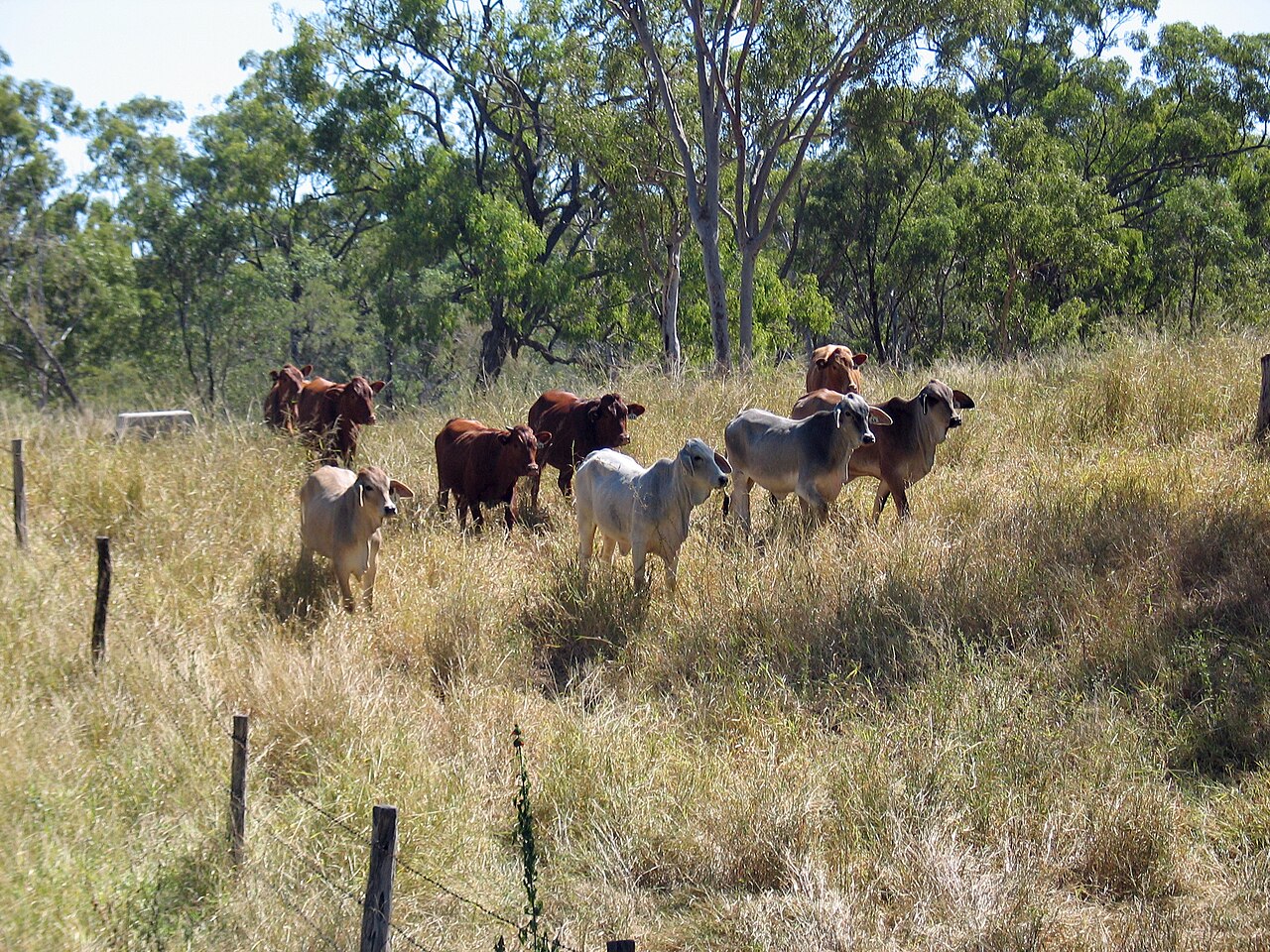
In Mexico, where 11.8 million people depend on forests for their living and the clearing of forest for cattle pasture is a major cause of deforestation, the GCF approved an $85.3 million results-based payment for REDD+ emission reductions of 12,915,671 tonnes of carbon dioxide equivalent achieved in 2018 and 2019. The money will help ranchers restore degraded pasture and adopt silvopastoral systems, which combine pasture, fodder trees or shrubs and livestock.
The Mexican project, run over six years with the National Forestry Commission (CONAFOR), will set up 1,200 farmer field schools, support conservation on 205,000 hectares through payments for environmental services and finance 120 women-led initiatives. It is the first project approved under the GCF's new results-based payments policy.
"Tropical dry forests make a decisive contribution to livestock production through grazing and the use of forage resources," said Sergio Graf, director general of CONAFOR. FAO said its GCF portfolio now stands at nearly $2.2 billion, serving more than 65 million people in over 100 countries.
Photo: CSIRO / Wikimedia Commons (CC BY 3.0)
Source: FAONewsRoom
Comments
(0)