
The Indian state of Telangana has declared 365 of its 621 mandals, about 58.8 percent, drought-affected for the 2026 kharif season, citing deficient and uneven rain, long dry spells and falling soil moisture. Of these, 111 are classed as severely and 254 as moderately affected; only Hyderabad and Peddapalli districts are left out of the 31-district notification.
The order from the Revenue and Disaster Management Department followed a scientific assessment under the National Manual for Drought Management, 2016, and the advice of a Cabinet sub-committee on the impact of El Nino. Between 1 June and 30 September the state received 615.5 mm of rain against a normal 740.6 mm, a 17 percent deficit, which the government blamed on a strengthening El Nino, weak low-pressure systems over the Bay of Bengal and dry spells at critical crop stages.
The area under kharif crops fell from 139.28 lakh acres to 126.06 lakh acres, and paddy area dropped 18 percent, from 69.19 lakh to 57 lakh acres. Live storage in major and medium reservoirs stood at 179.63 TMC against a capacity of 585 TMC, raising concern over water for irrigation, drinking, livestock and power. Nalgonda and Sangareddy have the most affected mandals, 28 each.
District administrations must provide crop-loss input assistance through Direct Benefit Transfer, extra drinking water, fodder and cattle camps where needed, and work under the VB-G RAM G employment programme. Collectors will work with bankers to restructure farm loans and prevent coercive recovery, and input subsidies are to reach eligible farmers within a month of central aid from the National Disaster Response Fund.
The state has asked the Centre for a Rs 20,000 crore drought relief package, 50 extra days of employment under VB-G RAM G, more fertiliser, an extra 1,500 MW of power and a higher borrowing limit. How much reaches farmers, Rural Voice notes, depends on the central assessment.
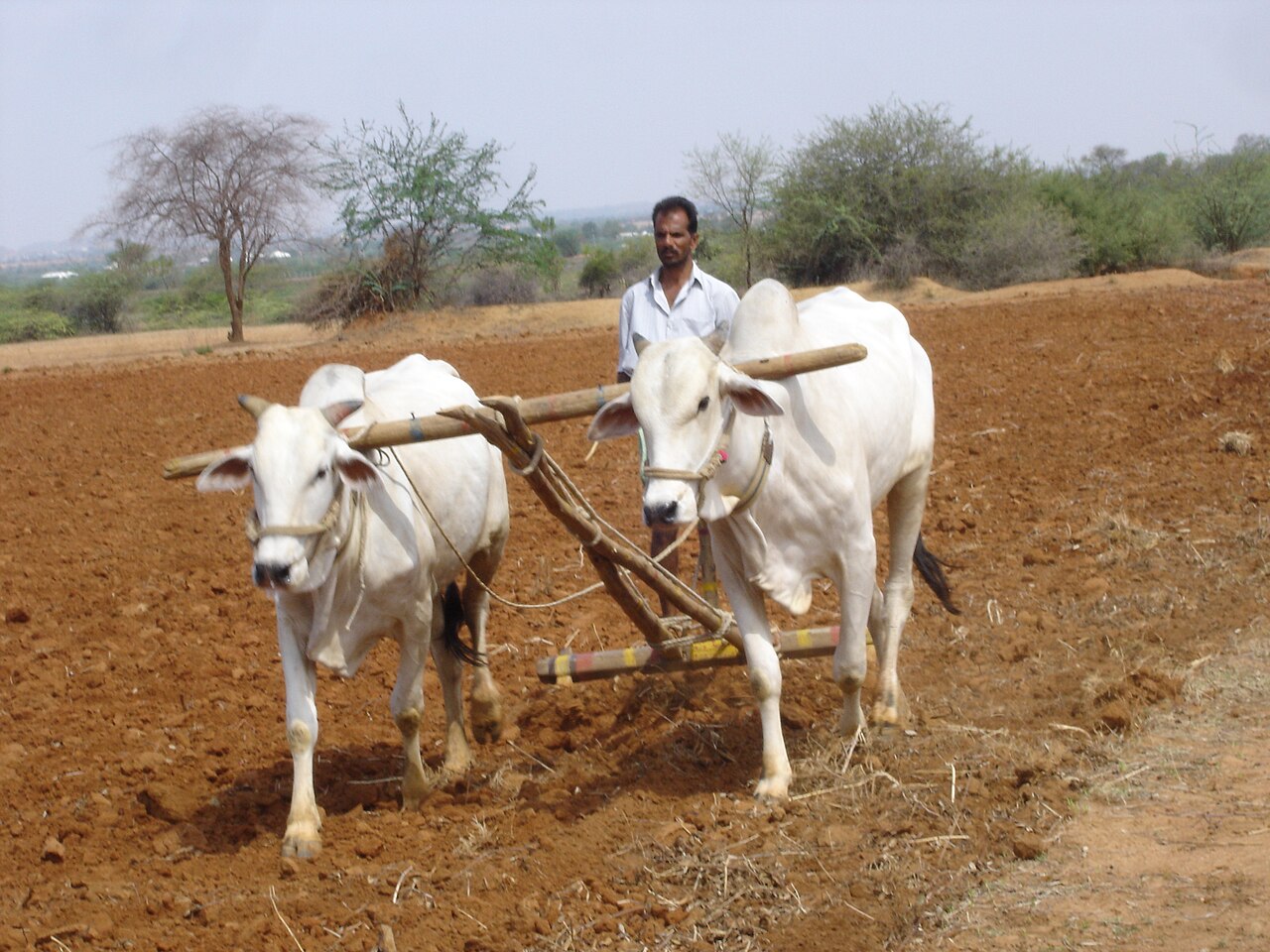
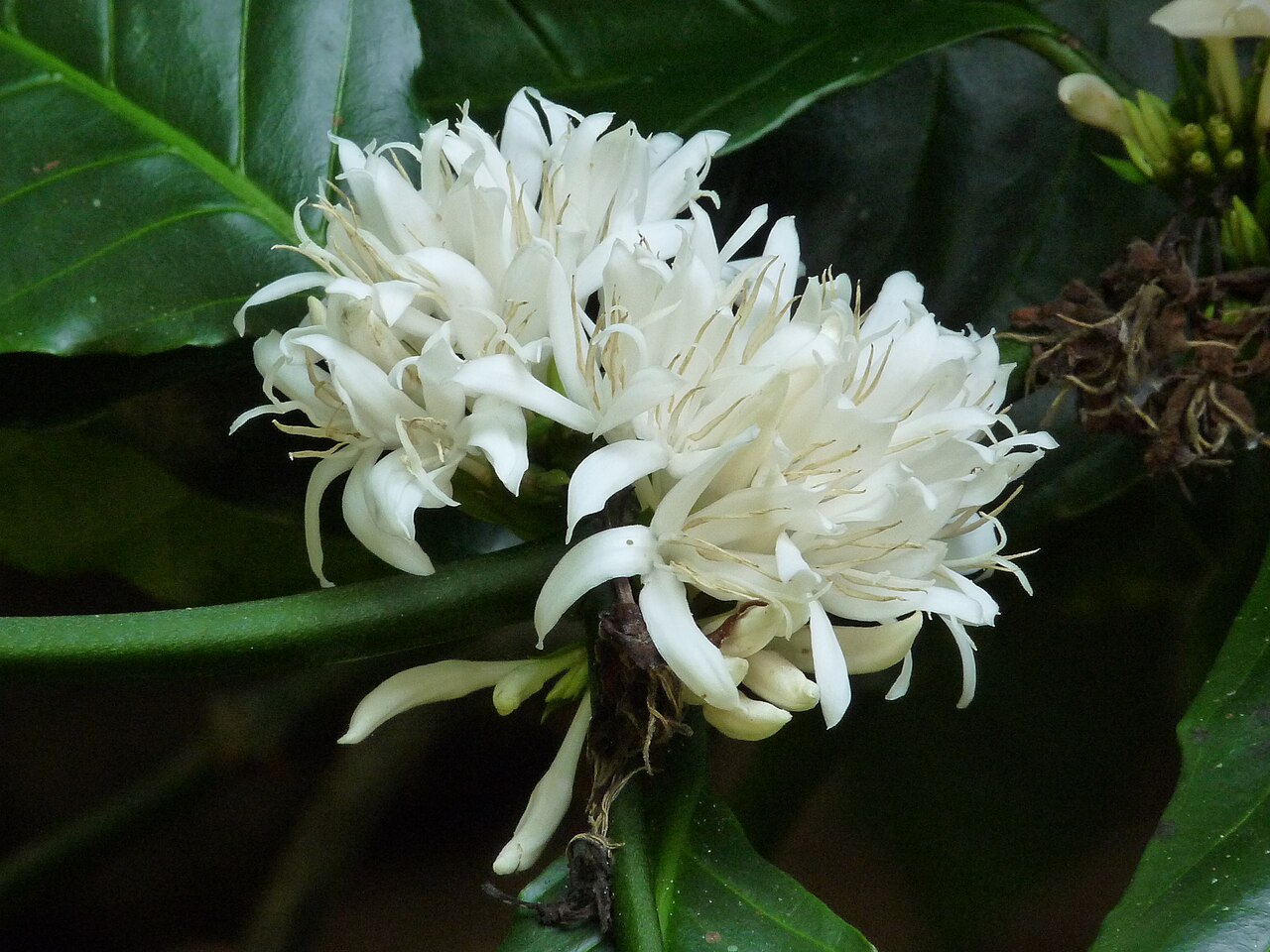
Photo: Saibhaskar / Wikimedia Commons (Public domain)
Source: Rural Voice
Comments
(0)