
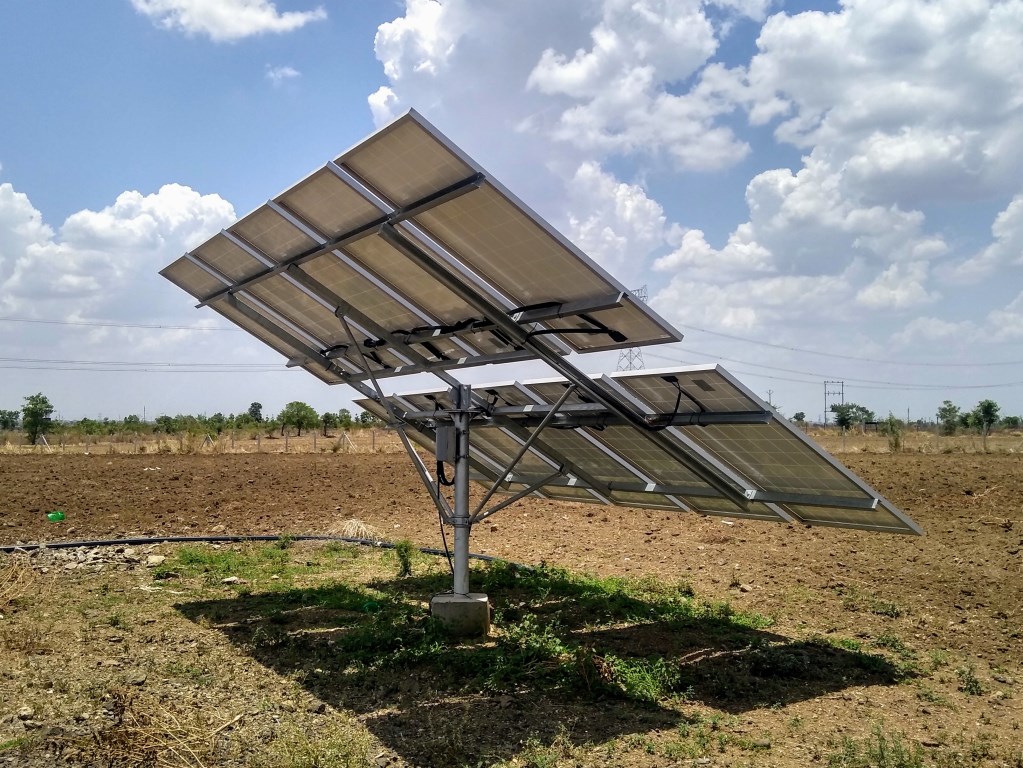
India's flagship farm solar scheme, PM-KUSUM, installed nearly 90 percent of its target for stand-alone solar pumps by the end of its first phase in March 2026, but only about a quarter of its target for decentralised solar power plants, the Centre for Science and Environment (CSE) said at a webinar on 27 October.
Launched in 2019, the scheme has three parts. Component A, grid-connected solar plants on farmland, installed around 2,400 MW against a 10,000 MW target. Component B installed about 119,000 stand-alone solar pumps. Progress on Component C, solarising existing grid-connected farm pumps and feeders, varied by state and model. Binit Das, CSE's programme manager for renewable energy, said the plants and feeder projects depend on coordination among state agencies, power distribution companies, regulators, developers, lenders and landowners, and some states made little or no progress.
As the government prepares PM-KUSUM 2.0, CSE called for readiness assessments covering land, grid capacity, clearances, procurement and finance before any capacity is allocated, tariffs that reflect the full costs, and firm billing and payment timelines, since late payments by distribution companies raise developers' borrowing costs.
The government has indicated that the next phase will include a dedicated agrivoltaics component, growing crops and generating solar power on the same land. Public reporting has mentioned a financial requirement of up to Rs 51,000 crore including existing liabilities, but the outlay and rules await approval. CSE said agrivoltaic designs must suit crops, local agro-climatic conditions and farm sizes, with finance open to smallholders and tenant farmers.
It also warned that cheaper pumping could drive more groundwater extraction unless solar irrigation is tied to water management. "The measure of success of PM-KUSUM 2.0 will not be limited to how much solar capacity we installed on agricultural land, but how much tangible benefits we will be able to create for farmers," said Priyami Dutta, policy advisor at the International Institute for Sustainable Development. The report is by Dakshiani Palicha.
Photo: Shailsh Telang / Wikimedia Commons (CC BY-SA 4.0)
Source: Down To Earth


Comments
(0)