
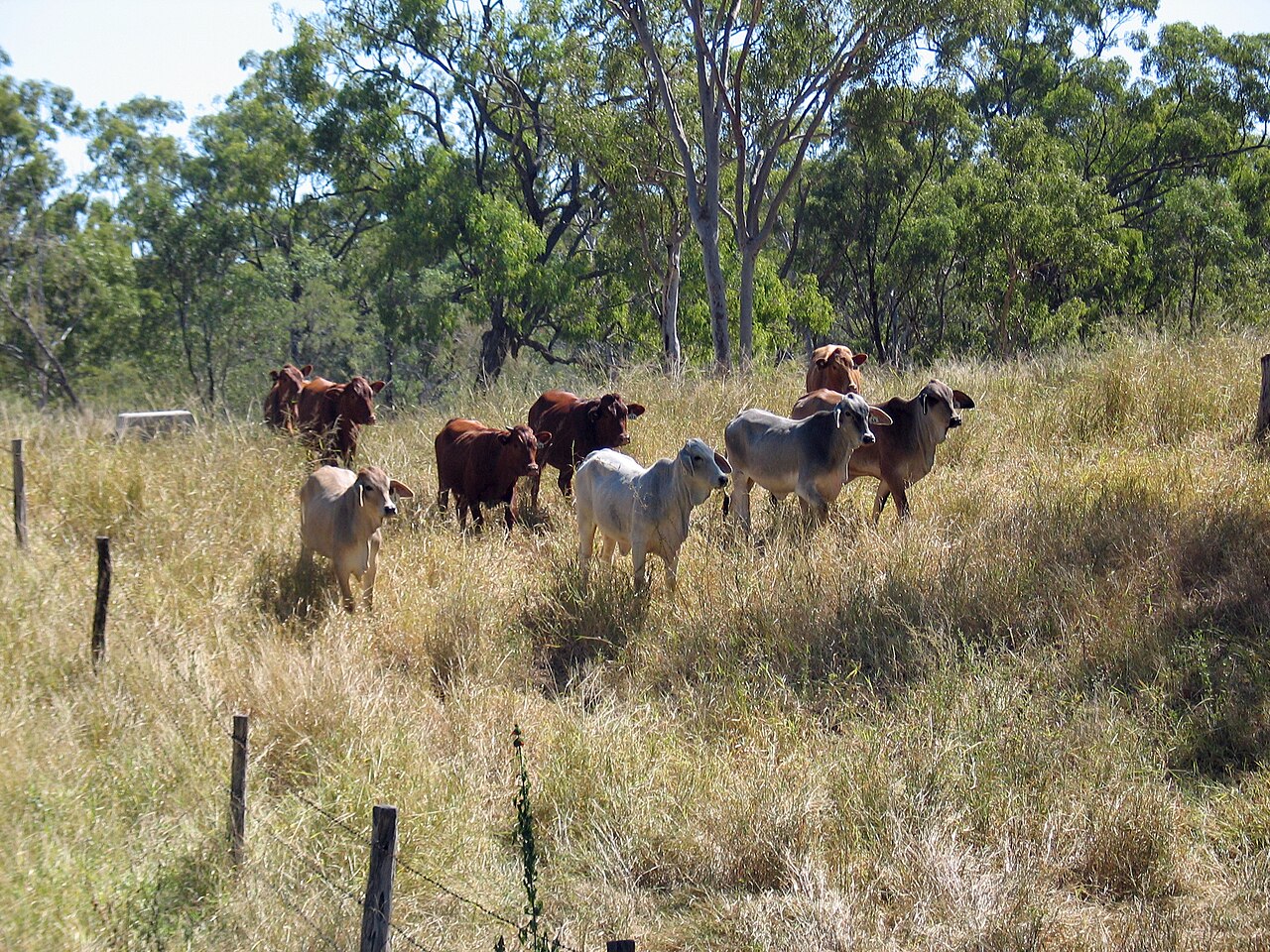
Google and McKinsey have agreed to buy 320,000 metric tons of carbon removal credits over ten years from a silvopasture project in Brazil, the first of its kind for the Symbiosis Coalition, The Cattle Site reported, citing Reuters. Silvopasture integrates trees into cattle pasture so that ranching continues while more carbon is stored and pressure to clear forest eases.
The purchases will support Working Trees, a climate technology company, in converting degraded and semi-degraded cattle pasture in Brazil's southeastern Amazon and Cerrado into mixed-species systems. The deal will help fund 8,700 hectares (21,500 acres) of restoration within a wider 50,000-hectare project, one of the first attempts to deploy carbon-funded silvopasture at scale.
Working Trees plants rows of commercial timber and native tree species directly into existing pasture, leaving space for grazing. The company says the model improves cattle productivity and that future timber income gives landowners a reason to keep the trees after carbon-credit payments decline. "If you believe that the world will continue to eat beef and that the world will take climate action seriously, the only way that you can actually achieve both at the same time is through silvopasture," said chief executive Leif Gonzales-Kramer, who called the long-term purchase commitments critical to unlocking investment.
Julia Strong, executive director of the Symbiosis Coalition, said silvopasture is among the natural carbon pathways with the most potential to scale, and that the region could support millions of hectares. The coalition, whose members include Google, Microsoft, Meta and Salesforce, focuses on long-term offset contracts and has pledged more than 20 million tons of offsets by 2030.
Brazil's young carbon market is drawing investors as companies look for high-quality removal projects, and technology firms in particular want to offset emissions from energy-hungry artificial intelligence infrastructure. Critics say such offsets let polluters avoid cutting their own emissions.
Photo: CSIRO / Wikimedia Commons (CC BY 3.0)
Source: The Cattle Site

Comments
(0)