
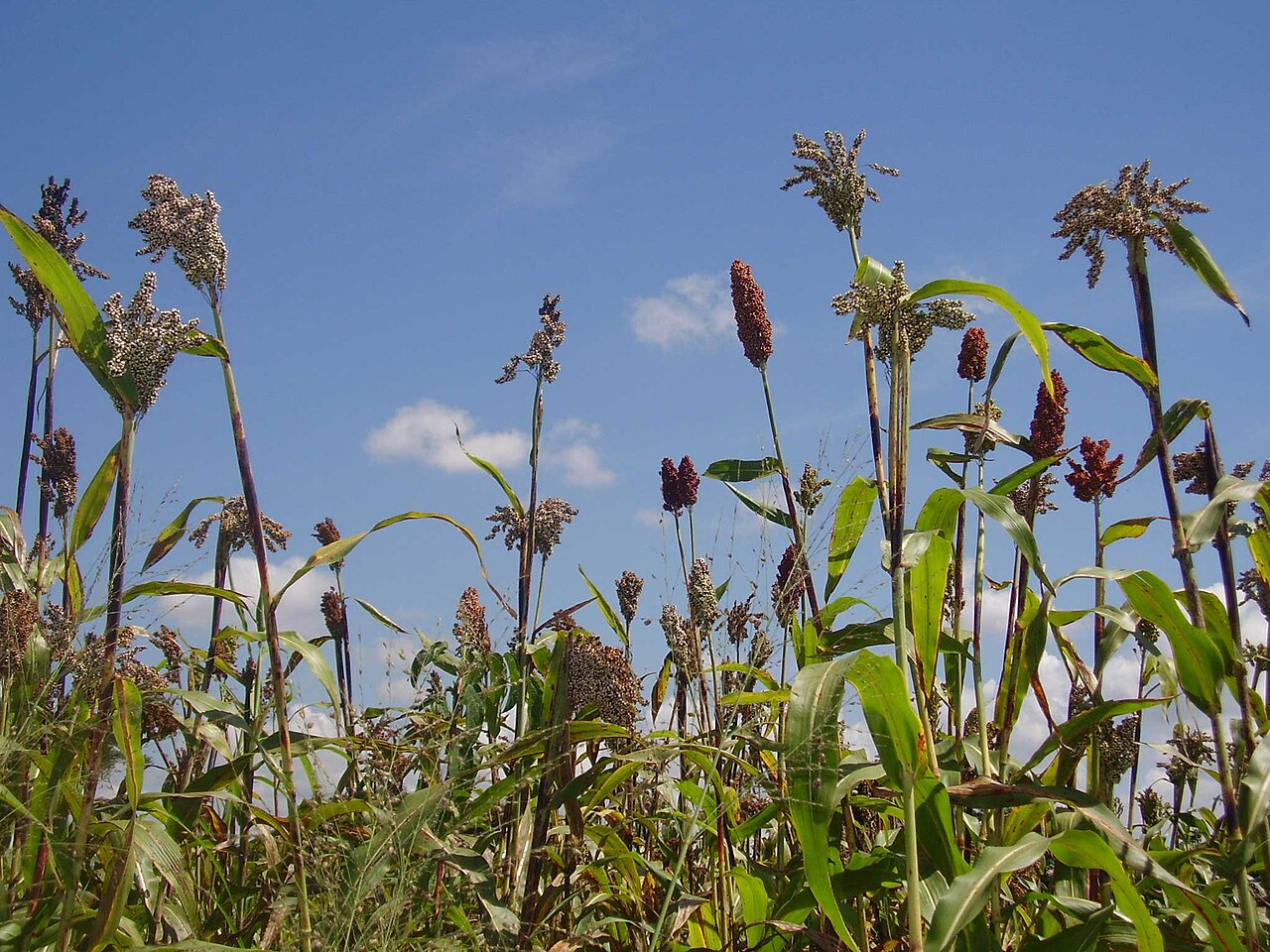
Google DeepMind and the International Crops Research Institute for the Semi-Arid Tropics (ICRISAT) have joined research institutions to use artificial intelligence to speed up the development of climate-resilient sorghum, Global Agriculture reported on 16 October.
The partners plan an open-access genetic atlas of sorghum, a nutritious crop widely grown in drylands, to help breeders find promising genetic combinations for a changing climate. It will draw on a representative sample from ICRISAT's genebank, which holds more than 44,000 seed collections from over 90 countries. Combining genetic analysis with machine learning is meant to be faster than conventional breeding, which can take a decade or more. The work, supported by Google.org through the AI Collaborative for Food Security, also involves the HudsonAlpha Institute for Biotechnology and the University of Washington.
Google DeepMind will fund a three-year postdoctoral fellowship at ICRISAT, its first in India and its first outside the United Kingdom. The research will also look at tools to characterise the genomes of chickpea, groundnut and pigeon pea. "We aim for this collaboration to unlock the global potential of indigenous climate-resilient crops like sorghum," said Stanford Blade, ICRISAT's deputy director general for research and innovation.
Separately, Google is extending its Agricultural Understanding models, built by its AnthroKrishi team, to 11 countries. In Gujarat, technology company Amnex has built the models into the state's Krushi Pragati platform, which Google says sent more than 900 million SMS advisories to over 600,000 farmers in the past year on crops, soil, pests and weather across more than 14 million hectares.
The models are now in public preview for developers, startups and researchers, and the OpenAgriNet coalition is testing them in an application meant to bring scattered farm information to farmers in their own languages.
Photo: Ezeu / Wikimedia Commons (CC BY-SA 3.0)
Source: Global Agriculture



Comments
(0)