
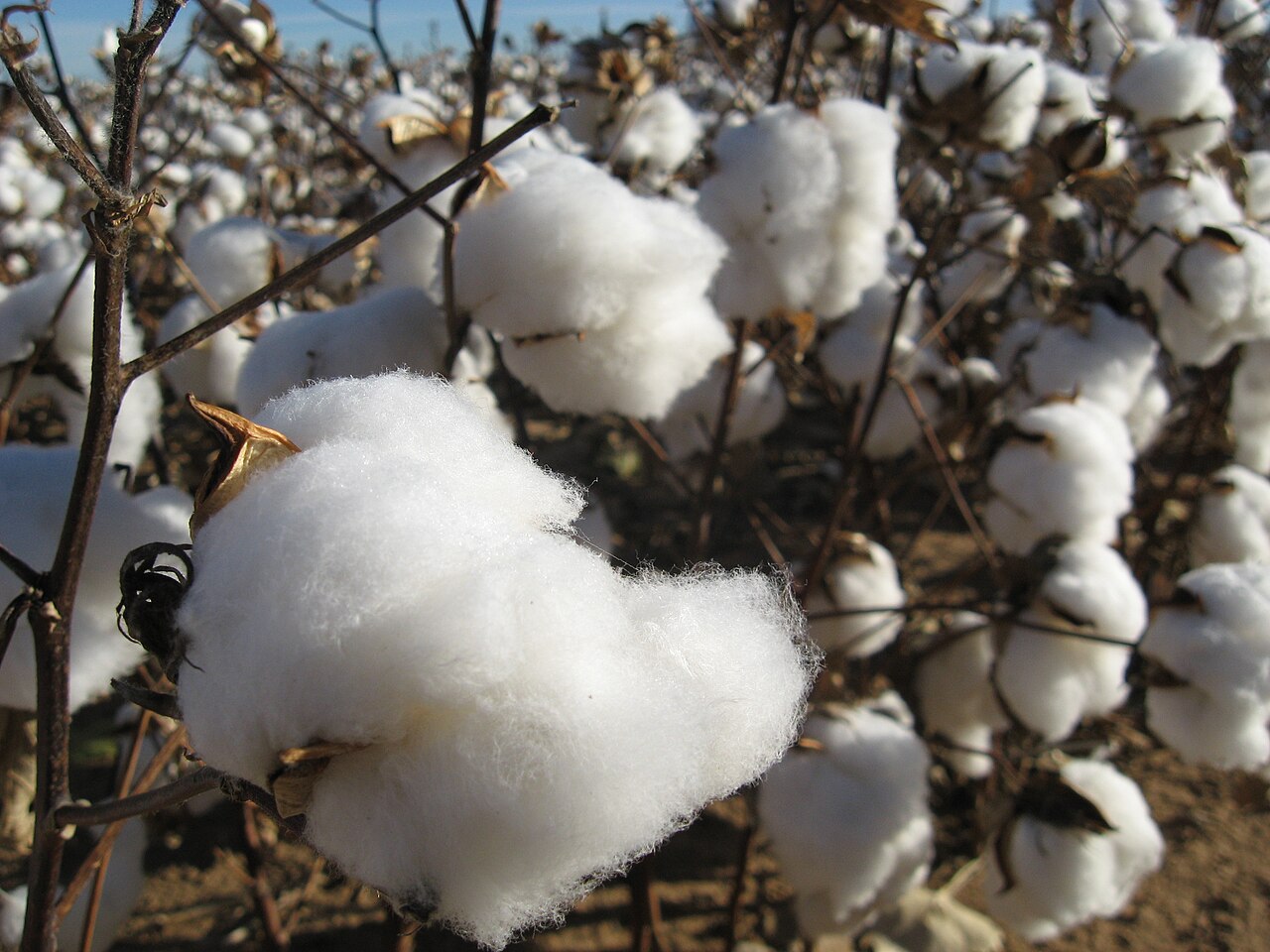
Genetically engineered corn, soybean and cotton have delivered higher and steadier yields across the United States over four decades and measurably slowed the climate-driven drift of crop production towards cooler northern latitudes, according to research published in Nature Climate Change.
The paper, "Genetically engineered crop adoption support yields and cultivation under climate change", published on 8 September with a companion briefing on 18 September, was led by Caroline Yifan Dong, Chengcheng J. Fei, Bruce A. McCarl and Xingguo Wang of Texas A&M University's Department of Agricultural Economics, with David Zilberman of the University of California, Berkeley. The authors call crop biotechnology "an under-recognized instrument of climate adaptation".
The team examined county-level yields, planted acreage, climate variables and GE adoption for corn, soybean and upland cotton from 1978 to 2020, a span covering the pre-biotech era, the spread of herbicide-tolerant and insect-resistant traits from the mid-1990s and later stacked and drought-tolerant varieties. A three-stage model separated effects on average yield, year-to-year variability and where crops are grown.
Counties with higher GE adoption recorded higher average yields and lower yield volatility for corn and soybean, and adoption partly offset losses expected from adverse weather. US cultivation has been shifting north as regions warm; GE adoption dampened the pace of that shift, helping some traditional growing areas stay viable longer.
The authors caution that the findings reflect US conditions, crop mixes and the traits commercialised there, and should not be assumed to hold elsewhere without local validation; the paper does not present GE traits as a substitute for breeding specifically for drought or heat tolerance.
The report notes that India, which has approved GM cotton but kept food crops such as GM mustard in regulatory limbo, is among the markets revisiting rules for genome-edited and GM crops, where long-run data of this kind feed into the debate.
Photo: Kimberly Vardeman / Wikimedia Commons (CC BY 2.0)
Source: Global Agriculture
Comments
(0)