
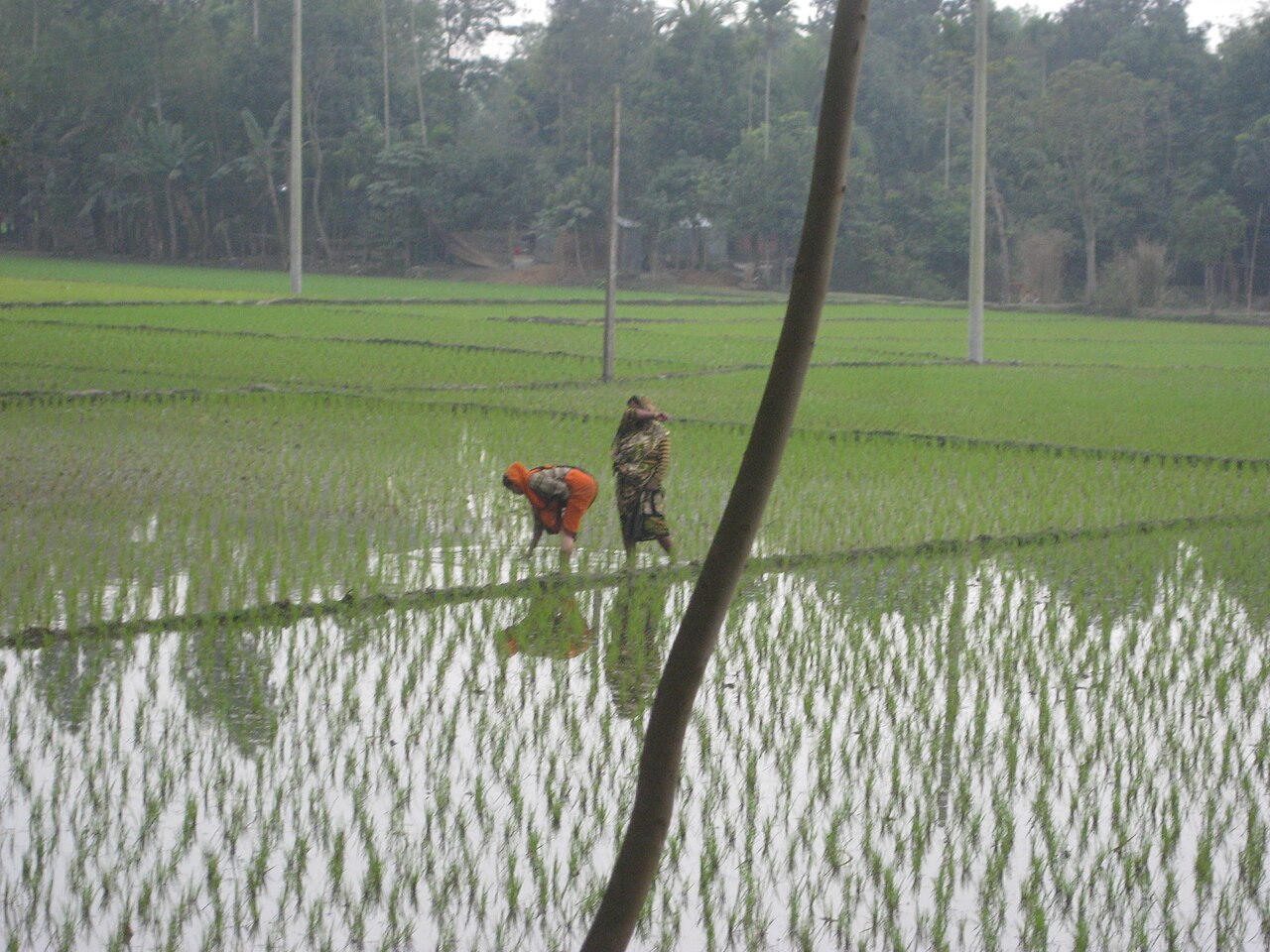
Gaibandha, a northern district in the basins of the Jamuna, Brahmaputra and Teesta, has long been known for crops, poultry, cattle and fish thanks to its fertile silt and wide chars, and countless families there live off farming. Yet uncertain incomes, rising production costs, poor prices and low social standing are turning the young generation away from the work, and many farmers do not want their children to face the same uncertainty.
Sarabangla reports that part of society still sees farming as a low-status occupation, a contempt heard in the word chashabhusha. Hard physical labour, unpredictable weather, the risk of losing a crop to flood, river erosion, drought or heavy rain, and poor market prices are pushing young people towards salaried jobs, business or work in the cities.
Abdul Malek, a farmer in Ramchandrapur union of Gaibandha Sadar, said fertiliser, seed, pesticide, irrigation and labour cost a lot of money, but at harvest the price often does not cover the cost and nobody makes good the loss. That is why children no longer want to farm, he said, and parents do not want them caught in that uncertainty either. Siju Mia from the same village said he is struggling to educate his children so that they can find jobs and not spend their lives, as he has, burning in the sun and soaked by the rain.
Rifat Hasan, a fourth-year honours student from Manoharpur in Palashbari upazila, said there is no telling how much farming will earn, while a job brings a fixed income at the end of each month, so he is putting his effort into preparing for one.
Agronomist Rashedul Islam said the drift of young people away from farming is a long-term worry for food security and production; without the new generation there could be a shortage of skilled farm workers and entrepreneurs. Technology-based farming, modern machinery, quality seed, storage and processing, and direct marketing could make agriculture a profitable career, he said, which needs easy-term credit, training, accessible technology and fair prices.
Dr Md Abu Sayem, chief instructor at the Gaibandha Agricultural Training Institute, said the institute gives students technical training and academic teaching on a four-year diploma course. But most of those who do not land a government job after training choose another occupation rather than farming. Family expectations and social and economic pressures are taking many of them out of agriculture, he said, so the skills of large numbers of specially trained young people are lost to the sector.
The report is by Sayed Sajol, Sarabangla's Gaibandha correspondent.
Photo: Ibrahim Husain Meraj / Wikimedia Commons (CC BY-SA 3.0); a paddy field in Gaibandha.
Source: Sarabangla

Comments
(0)