
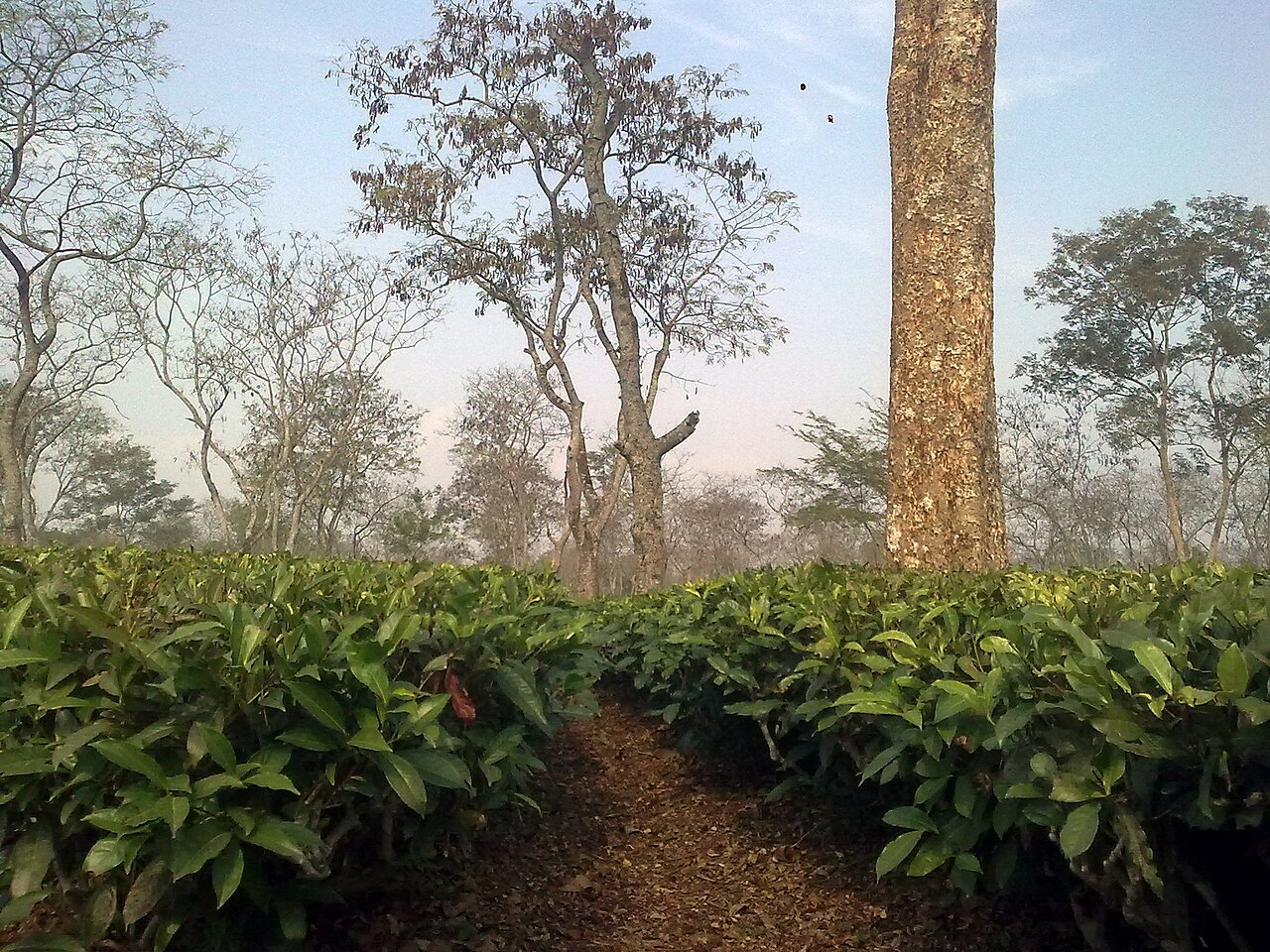
India's food safety regulator has proposed new maximum residue limits (MRLs) for two widely used insecticides in tea, a change that will shape pest control on the country's tea estates, Global Agriculture reports.
The Food Safety and Standards Authority of India (FSSAI), under the health ministry, published the draft Food Safety and Standards (Contaminants, Toxins and Residues) Amendment Regulations, 2026 in the Gazette of India. It proposes 20 milligrams per kilogram for acetamiprid and 50 mg/kg for imidacloprid in tea. Both are neonicotinoid insecticides used against the tea mosquito bug, aphids and jassids, among other pests.
FSSAI has invited comments and objections for 60 days from the date the gazette copies become available, which puts the deadline around mid-December 2026. The limits stay provisional until the draft is final. The imidacloprid figure was set with reference to Codex Alimentarius standards, according to the ministry, and the notification compares the acetamiprid limit with Japan's 30 mg/kg.
The draft continues a broader review of pesticide residue standards in food. A 2024 amendment of the same framework led to 13 pesticides being delisted from permitted use. FSSAI says the new limits give growers, processors, food businesses, testing laboratories and enforcement officers clearer benchmarks for compliance, rather than tightening or loosening pest control options.
The ministry also said India's average pesticide use is under 0.5 kg per hectare, against a global average of 2.38 kg per hectare, and lower than in Colombia, Brazil and the United States.
Photo: Amlan Basumatari / Wikimedia Commons (CC BY-SA 3.0)
Source: Global Agriculture


Comments
(0)