
By Shykh Seraj
Farmers have the closest relationship with nature. Drawing on generations of experience, they try to read nature's moods and plan their farming accordingly, yet sometimes they lose everything to nature's hostility and constantly face the harmful effects of climate change. It used to be said that knowledge is power; now, the writer notes, it is said that information is power, and farming is no exception. In developed countries, technology and new techniques have made farming easier and raised yields many times over, and the Internet of Things (IoT) and Artificial Intelligence (AI) are transforming agriculture worldwide, with some of that change reaching Bangladesh.
Apps and farmers
The writer has reported on app-based farming many times on "Hridoye Mati O Manush". Farmers in developed countries have long used digital platforms from production to marketing. The Bangladesh government has made several apps, but most are limited to information, and farmers know little about them. App-based smart farming has also begun here, such as the DigiCow app for cattle farmers.
How Fosholi came about
In August 2017, F. H. Ansari, managing director of ACI Agribusiness, invited the writer to see ACI's work on a smart farming app that would combine advanced satellite images, improved cultivation methods, modern farm technology and weather information. The digital platform was built over three years from November 2015. Last December the app was released on the Google Play Store, and farmers are being trained to use it. Named "Fosholi", it is a public-private initiative to give farmers, input traders and extension staff reliable, timely information. Team leader Shamim Murad showed how it works. Asked about farmers without smartphones, Ansari said Fosholi is a digital platform, not just an app: some services are available by SMS and phone call on any mobile, and crowdsourcing is used to bring information and technology to farmers.
Training matters
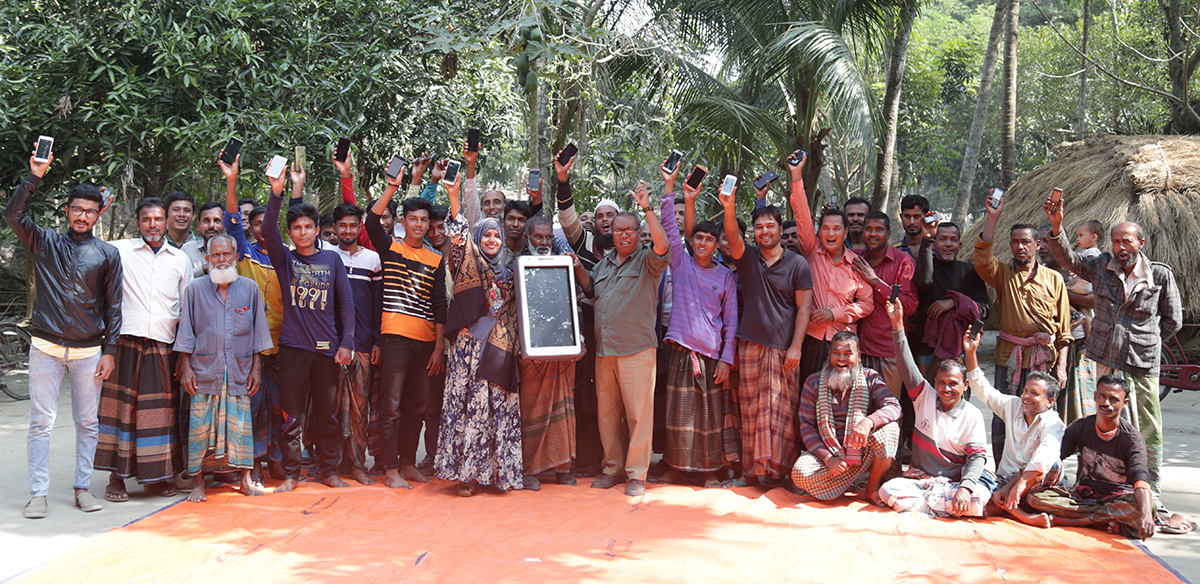
Farmers in 12 districts are being trained to use Fosholi. The writer's annual "Krishi Budget Krishoker Budget" survey in 2018 found that 5 percent of farmers visit digital centres for farm information, 2 percent know about app-based services, and less than 1 percent use apps, so training will be very effective. At a courtyard meeting in Jashore, farmers showed him how to use the app.
What farmers say
- They learn which crop suits which soil and how to grow it, and the app helps with disease problems, acting like a crop doctor.
- Young farmer Ilias said weather forecasts have cut production costs, since knowing rain is coming lets him irrigate less and reduce crop damage.
- Farmer Babu said the "My Crop" feature gives daily advice from planting to harvest; for BRRI dhan28 sown on 16 December, for example, he receives short daily messages on when to irrigate and what fertiliser to apply.
- Sub-assistant agriculture officer Asaduzzaman said the app makes it easier to stay in touch with the roughly 1,200 farmers in his area.
Many farmers said they want an open online market where they can sell at competitive prices. China's open online platforms are a key part of its farm market boom, the writer notes, and two farmer markets called VSM have opened in Jashore and Khulna with support from the Dutch organisation Solidaridad, where farmers sell directly. Public and private institutions must train Bangladesh's farmers in new technologies, he concludes, because modern farmers will build the country's store of safe food.
Source: Shykh Seraj. First published in Bengali on The Agro News.
Comments
(0)