

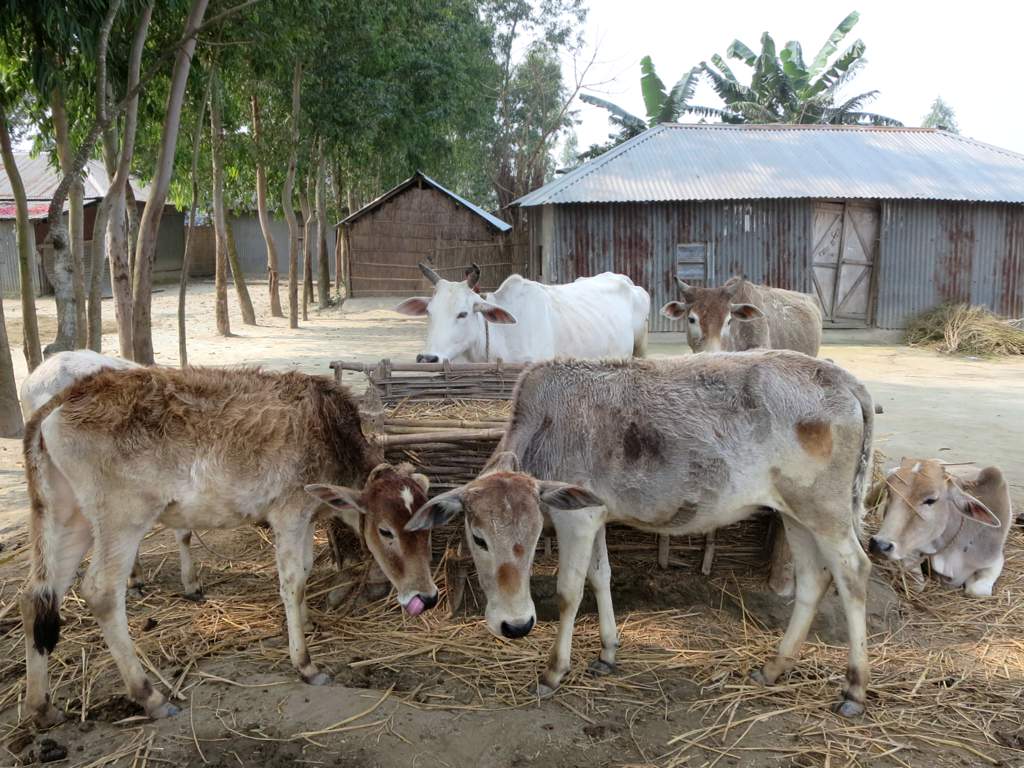
Animal disease has become the biggest threat to agricultural shows, organisers from South Africa and the United Kingdom told the Royal Agricultural Society of the Commonwealth's conference in Cape Town, held from 1 to 5 November and hosted by Agri-Expo. In South Africa, foot-and-mouth disease (FMD) kept cattle, sheep, goats and pigs out of every show for the first six months of this year.
"For the first time, it wasn't the weather, war, or the economy that was keeping animals away from shows. It was a virus," said Elmarie Prinsloo, chief executive of the Bloem Show and the Showgrounds Development Trust in Bloemfontein. Breeders, she said, lost their shop window, and the shows lost their core attraction.
South Africa's answer was to write one set of rules instead of many. The organisers of the major events formed the South African Show Association and drew up a single national protocol for livestock exhibitions, which the smaller shows were brought into, so that a breeder faces the same rule at every show. Where an animal used to need three requirements to attend a show, it now needs eight: compulsory vaccination and a booster, quarantine before the show, veterinary sign-off, traceability and detailed documentation. Cattle and other cloven-hoofed animals must have the booster 21 days before they are transported to any show. "Our biggest adaptation wasn't disinfecting; it was to choose to cooperate," Prinsloo said.
The British organisers described the same pressure from other diseases. Aled Rhys Jones, chief executive of the Royal Welsh Agricultural Society, said the Royal Welsh Show had had to deal with bluetongue, avian flu and equine flu, as well as the FMD outbreak of 2001, and that the hard part was explaining new testing and guidance to exhibitors while keeping livestock classes strong. Simon Orpwood, a farmer in England and honorary press secretary of the Royal Agricultural Society of the Commonwealth, said his local show this year had to cancel its sheep because of bluetongue.
Prinsloo expects traceability to move onto digital systems and said a digital animal health passport is something shows will start to use. She also expects the rules to get stricter, as climate change, global trade and animal movement restrictions add to disease pressure. "We can't stop viruses from changing, but we can ensure that we change faster," she said.
For breeders, the change is practical: a show entry now has to be planned weeks ahead, around vaccination dates, quarantine and paperwork, and the same discipline that protects a show also protects the herds the animals go home to.
The story was reported by Clayton Swart for Farmer's Weekly.
Photo: Robin Drayton / Wikimedia Commons (CC BY-SA 2.0). The cattle ring at the Royal Welsh Show, one of the shows named in the story.
Source: Farmers Weekly South Africa

Comments
(0)