
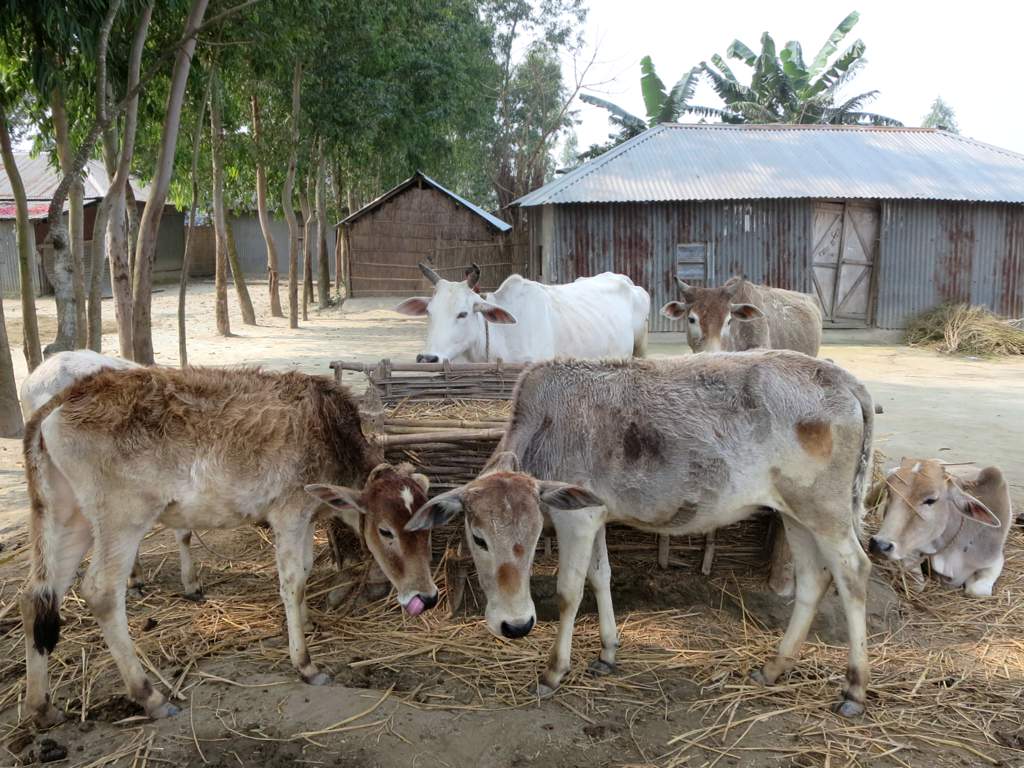
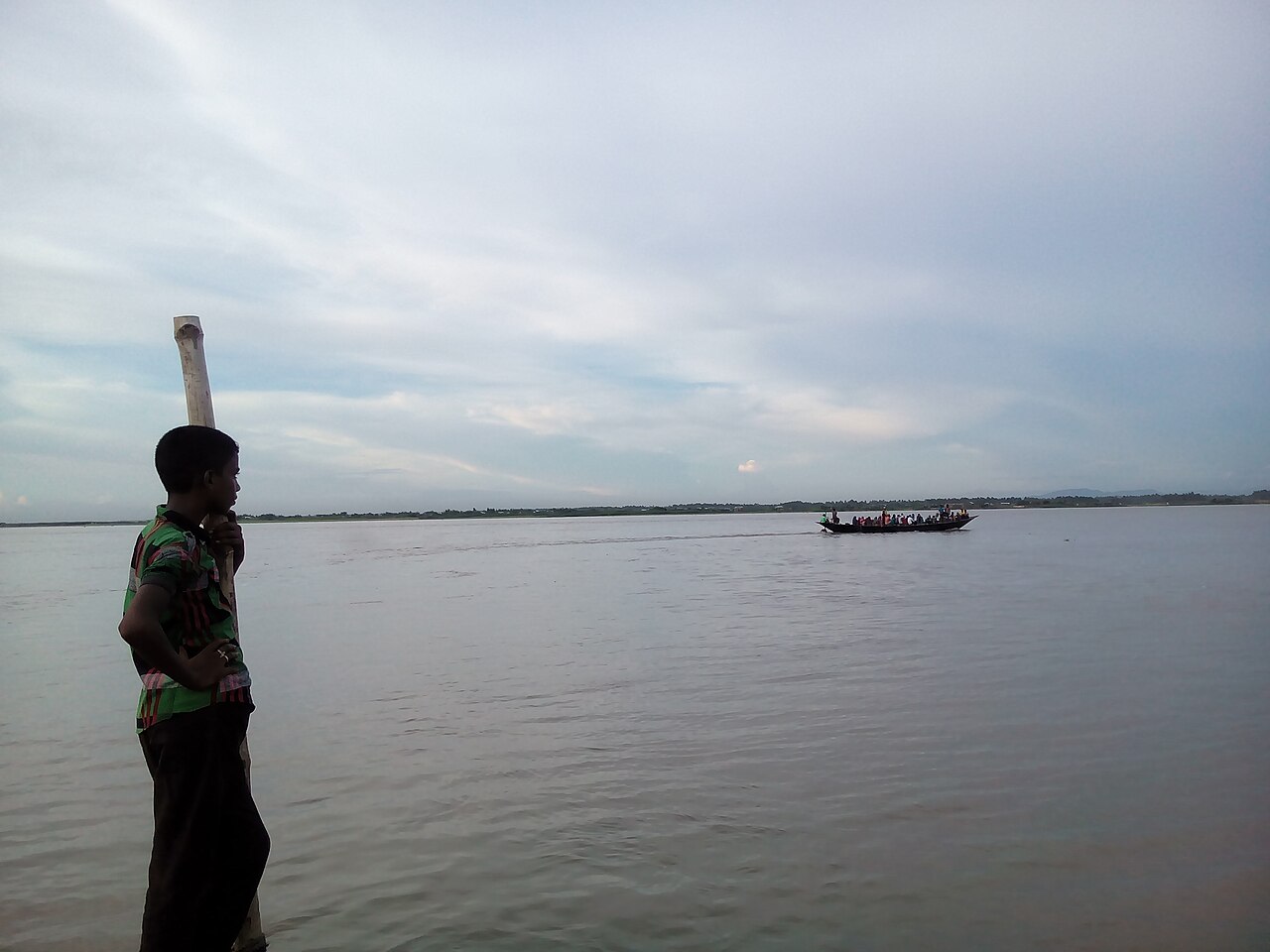
As the Jamuna has fallen, countless chars have risen in Kazipur upazila of Sirajganj, covered in green grass and kaisha (wild sugarcane grass). Thousands of poor families in the upazila now make their living by cutting this grass and selling it at local markets. The trade can be seen in villages across Maijbari, Khasrajbari, Shubhgachha, Natuarpara, Tekani, Nishchintapur, Mansur Nagar and Chargirish unions.
Fodder is always short on the chars, and more so when the Jamuna runs high. When unseasonal floods drown low land and homesteads, demand for grass soars, and many people have taken up selling it as a trade. Grass markets now sit morning and afternoon at Meghai, Dhekuria, Kumariabari, Jorjira, Panagari, Raghunathpur, Gulmor and Shubhgachha. Riverside markets once known for fresh fish are now known as grass markets.
Napier, durba and garba grass, jackfruit leaves and other fodder are on sale. A bundle of jackfruit leaves fetches Tk 20 to 30, durba grass Tk 70 to 80, garba grass Tk 80 to 120 and Napier grass Tk 30 to 80 depending on the kind.
Ajibar Hossain of Natun Maijbari char said there is usually no work on the chars in autumn, so selling grass earns him Tk 400 to 500 a day, which barely keeps the household going. Anisur Rahman, who sells at Meghai market, said grass and fish pay for his family and his children's schooling, leaving him Tk 400 to 500 a day on average after the boat fare.
Buyers such as Aminul Islam said they each keep four to seven head of cattle, and in the rainy season, when fodder is scarce, char grass is what they rely on. The grass markets grew up to feed the cattle of the riverside, he said, and many char families now live off them.
Dr Didarul Ahsan, the Kazipur upazila livestock officer, said many char families collect fresh grass and kaisha to sell, which both supports their households and feeds local livestock. About a hundred farmers also grow fodder grass commercially, meeting their own needs and selling the rest. The report was filed by T M Kamal, Krishi Shomoy's Kazipur correspondent.
Photo: David Stanley / Wikimedia Commons (CC BY 2.0)
Source: Krishi Shomoy

Comments
(0)