
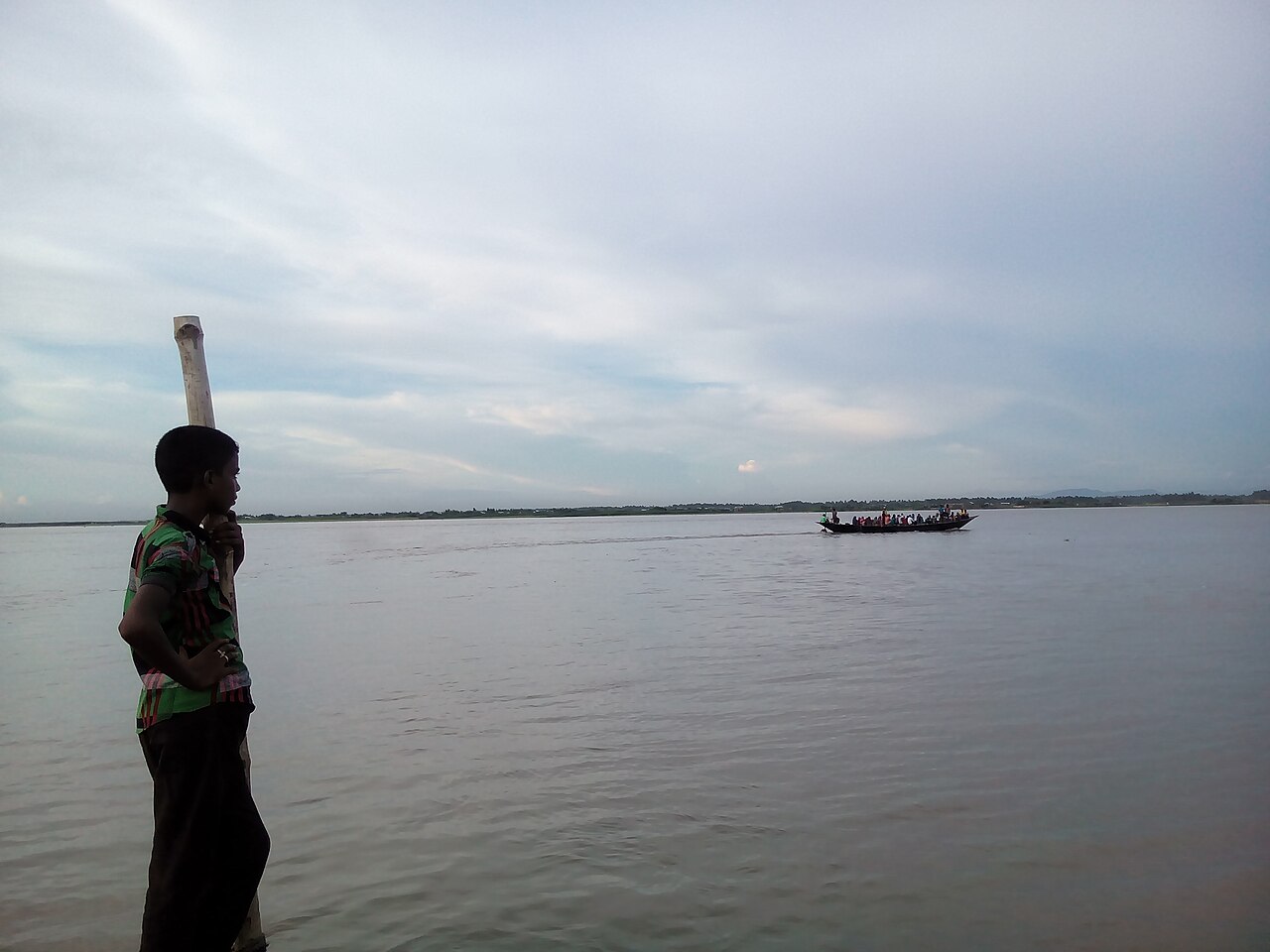
After the dawn prayer, Opial looks out at the Brahmaputra. Whether the water is rising or falling, and which way the wind blows, decide his day's work. The 73-year-old farmer was born on Char Bajra Diarkhata in Chilmari upazila of Kurigram. According to a Prothom Alo report, Brahmaputra erosion has taken his homestead 12 times in his life; in 2025 it took part of the homestead and some of his paddy land again.
His father, Chhanaddi Munshi, owned 60 bighas in the Pakistan era. About ten years after independence, erosion over a few years swallowed all of it and the well-off family was suddenly destitute. Opial lived by day labour and digging earth. Later he bought a cow; his wife Banechha Begum looked after it, and with the milk money and his wages they bought two bighas in 1995.
About a decade ago some 40 bighas of his father's land rose again from the river, but part of it is now held by influential people. "My father's land is in front of my eyes, and other people farm it now," Opial said. "I have no strong arm, so I cannot set foot on it."
Today he farms a few bighas of his own and sharecropped land: two bighas of aman at Bajra Diarkhata and three bighas of maize on the neighbouring Bandal char. The sandy char soil does not hold water, so rice does poorly and maize does better. By his reckoning, ploughing, seed, fertiliser and irrigation cost about Tk 35,000 a bigha for maize; with a good yield and price, the profit is Tk 25,000 to 30,000.
With no cash before harvest, he buys fertiliser and fuel on credit from moneylenders at higher prices. To sell his crop he goes by horse cart and then boat to Jorgachh market, 10 to 12 km away, and fares, porters' wages and market tolls cut the margin further. When prices fall, nothing is left.
His son Masud Rana, 33, has a master's degree and tried for a government job, then worked for some years in a private microcredit branch before returning to the village five years ago. Father and son now work the fields together. Two years ago, with money from maize and cattle sales, Opial spent about Tk 8 lakh on land and a house in Chilmari town for his son, so the family would have one address beyond the reach of erosion.
Opial himself will not leave the char. His life is bound up with its soil, its river, its fields and his cattle. In old age he wants little: to spend the rest of his life farming, never to have to hold out his hand to anyone, and for his wife to be a little more comfortable.
Photo: Atiqur Rahman / Wikimedia Commons (CC BY-SA 4.0)
Source: Prothom Alo

Comments
(0)