
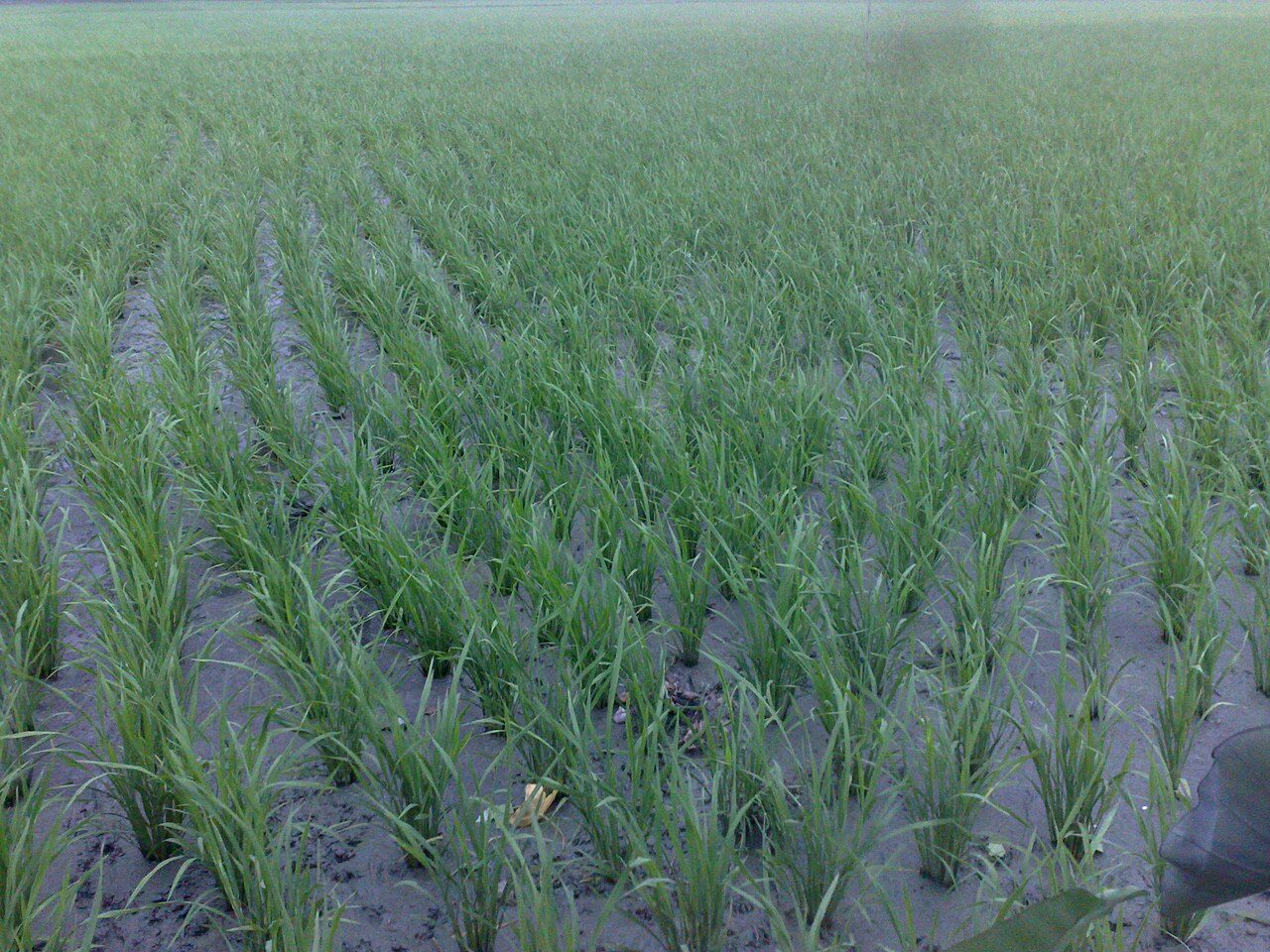
Farmers queue outside fertiliser dealers from midnight and still go home with one or two sacks, or none, while retailers sell the same fertiliser to anyone willing to pay more. A Samakal investigation found large gaps at every step between demand reported from the field, the Department of Agricultural Extension's (DAE) proposal and the government's final allocation.
For 2026-27, field demand for urea, DAP, MoP and TSP together was put at 6.879 million tonnes. DAE proposed 5.8492 million tonnes and 5.805 million were approved, 1.074 million tonnes below field demand. Urea demand was 3.022 million tonnes against an allocation of 2.62 million; TSP 963,000 against 750,000; DAP 1.692 million against 1.485 million; and MoP 1.202 million against 950,000 tonnes.
The gap was wider in earlier years. In 2025-26 field demand was 13.783 million tonnes against an allocation of 5.785 million, a shortfall of nearly 8 million tonnes; in 2024-25 demand of 13.33 million tonnes met an allocation of 5.9 million.
Md Abdur Rahim, director general of DAE, does not accept the field figures as real demand. Requests from block level are checked against several years of use and expert opinion, he said; of the low, medium and high dose rates, DAE uses the medium one, while block-level officers may assume the high one. Agricultural economist Dr Jahangir Alam said the way demand is set and then cut needs to be transparent: field figures may be inflated, but DAE's trimmed figures are underestimates, and they shrink again at the ministry.
Chapainawabganj is a case in point. It grows mangoes worth about Tk 10,000 crore a year, along with black gram, wheat, sugarcane, mustard, maize and rice. Government records show the district has not received the fertiliser it asked for in the past ten years: in 2023-24 the allocation was 53 percent short of demand, and in 2025-26 it received 98,832 tonnes against demand of 298,195. For the current year 101,336 tonnes have been approved against demand of 114,873, a shortfall of 13,537 tonnes.
Akbar Hossain, district president of the Bangladesh Fertilizer Association (BFA), said the present allocation cannot meet farmers' needs and should be raised to match real demand. A DAE official, speaking on condition of anonymity, said upazila officers often draw up demand without checking in the field, and that one formula is applied across the district's 45 unions although their crops differ. The report is by Samakal's Zahidur Rahman in Dhaka and A K S Rokon in Chapainawabganj.
Photo: Hopeoflight / Wikimedia Commons (CC BY-SA 3.0)
Source: samakal

Comments
(0)