
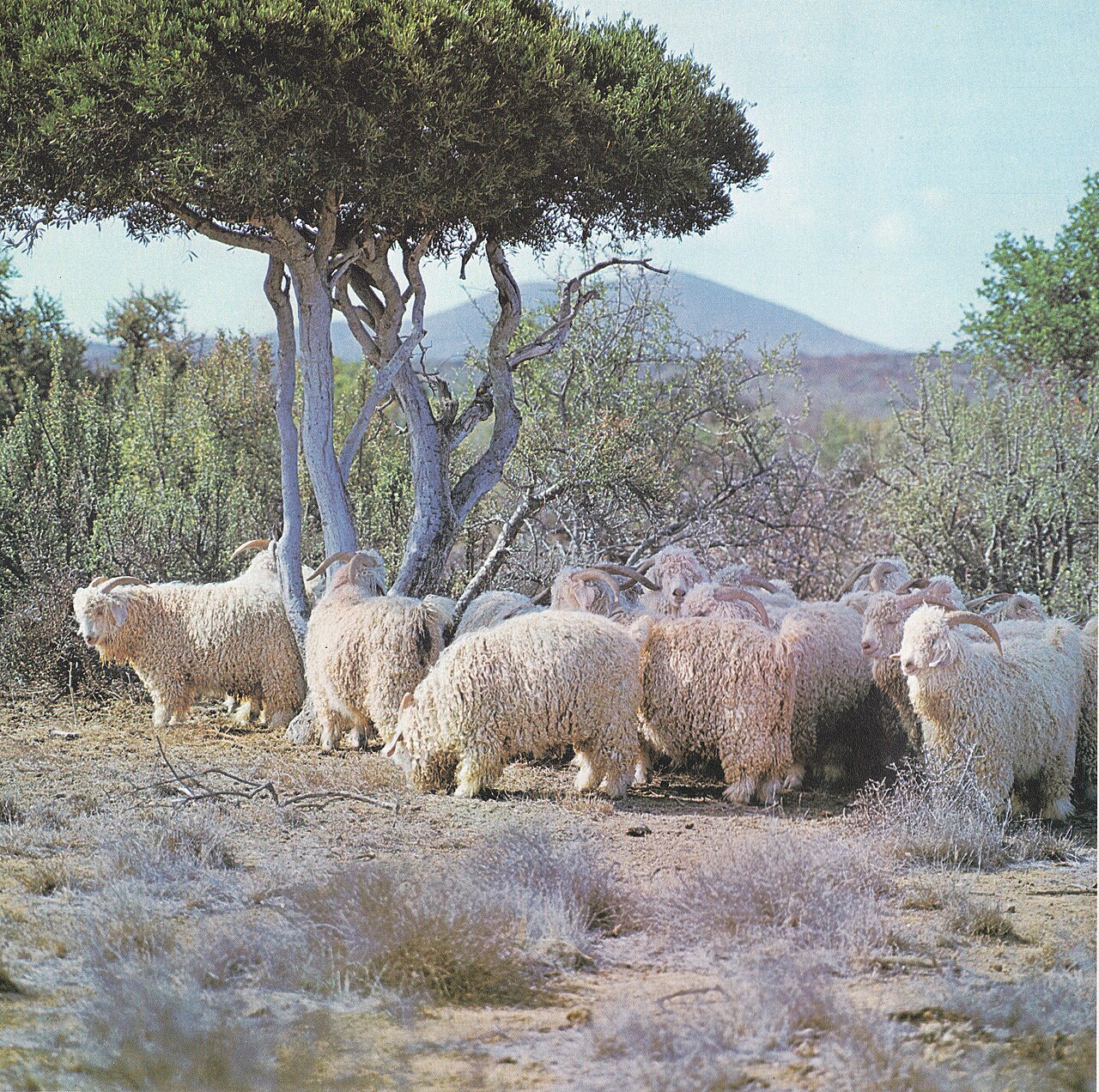
South Africa's wool and mohair industries were on show at a Commonwealth gathering hosted by Agri-Expo, attended by agricultural leaders and guests including Princess Anne, Food for Mzansi reported. The speakers kept returning to one question: how the country, already a global leader in mohair, can open the industry to more farmers and keep more value between the farm and the finished product.
Beauty Mokgwamme, manager of the Mohair Empowerment Trust at Mohair South Africa, said the trust's aim is to bring previously disadvantaged farmers into commercial production. It identifies farmers with suitable land, checks their infrastructure and carrying capacity, and supplies qualifying farmers with Angora goats through an interest-free five-year loan. "We do not give our farmers money. We buy them goats, and we walk the journey with the farmer for five years," she said.
Farmers are trained in animal production, farm management, financial management and leadership, and commercial farmers and industry partners act as mentors. They repay part of their mohair income to the trust, which uses it to support new entrants. The trust is running nine projects, and about 12 have graduated since 2018. One farmer is expected to finish in four years instead of five after producing more than a tonne of mohair in six months.
Stefan Gerber, a wool producer and founder of Gerber & Co, said drought, rising feed costs and the struggle to compete in a global commodity market pushed him beyond selling raw wool. "We had to find solutions for end products and not be commodity growers," he said.
His business starts with sheep at Nuwe Era Boerdery in the Northern Cape and moves through wool scouring, where greasy wool is cleaned into scoured wool and wool tops, and then into non-woven goods such as blankets, felt and technical textiles, or into combing, spinning, weaving, knitting, embroidery and garments for retail and business buyers. The company also finds uses for by-products of wool processing and is exploring biological detergents and composting.
Gerber's point is that local wool should not have to travel around the world for each stage of processing and come back as an expensive finished product. "One day in South Africa, we shall wash wool again. We have achieved it," he said. For livestock farmers elsewhere, both models show that the margin in natural fibre lies as much in finance, training and processing as in the animal itself.
Photo: EricFuchs / Wikimedia Commons (CC BY-SA 4.0), mohair (Angora) goats in South Africa
Source: Food for Mzansi

Comments
(0)