
Some 17,000 children die every day for lack of food, and 805 million people live with extreme hunger. Research agrees the main cause is poverty. The Food and Agriculture Organization (FAO) says daily food supply per person rose from 2,220 kilocalories in 1960 to 2,790 in 2008, yet poor distribution and waste leave many hungry.
Food wasted
An EU estimate says European countries waste 100 million tonnes of food a year, and a third of the world's food is wasted. Seraj notes enormous waste in the Middle East; a report in The National of the UAE on 8 March said the region wastes 1.3 billion tonnes of food a year.
Poverty and women farmers
About 1 billion people, 17 per cent of the world, earn under 1.24 dollars a day, down from 43 per cent in 1990 and 52 per cent in 1981; 167 million left extreme poverty and hunger in a decade. The World Food Programme (WFP) says 795 million lack enough food, and that if women farmers had the same access to resources as men, hunger could fall by 150 million. In Uganda's Rakai district, Seraj saw how a mid-day meal transformed learning at St Henry's Primary School.
Rural poverty and farming
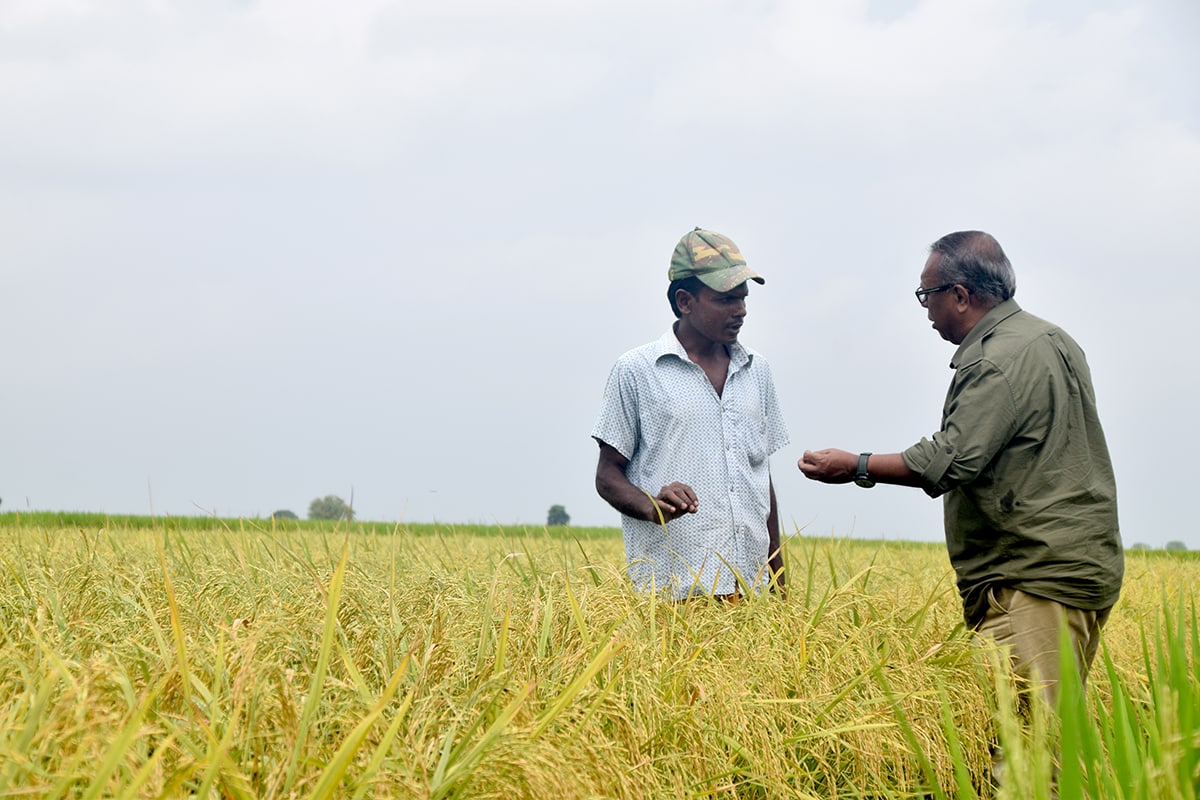
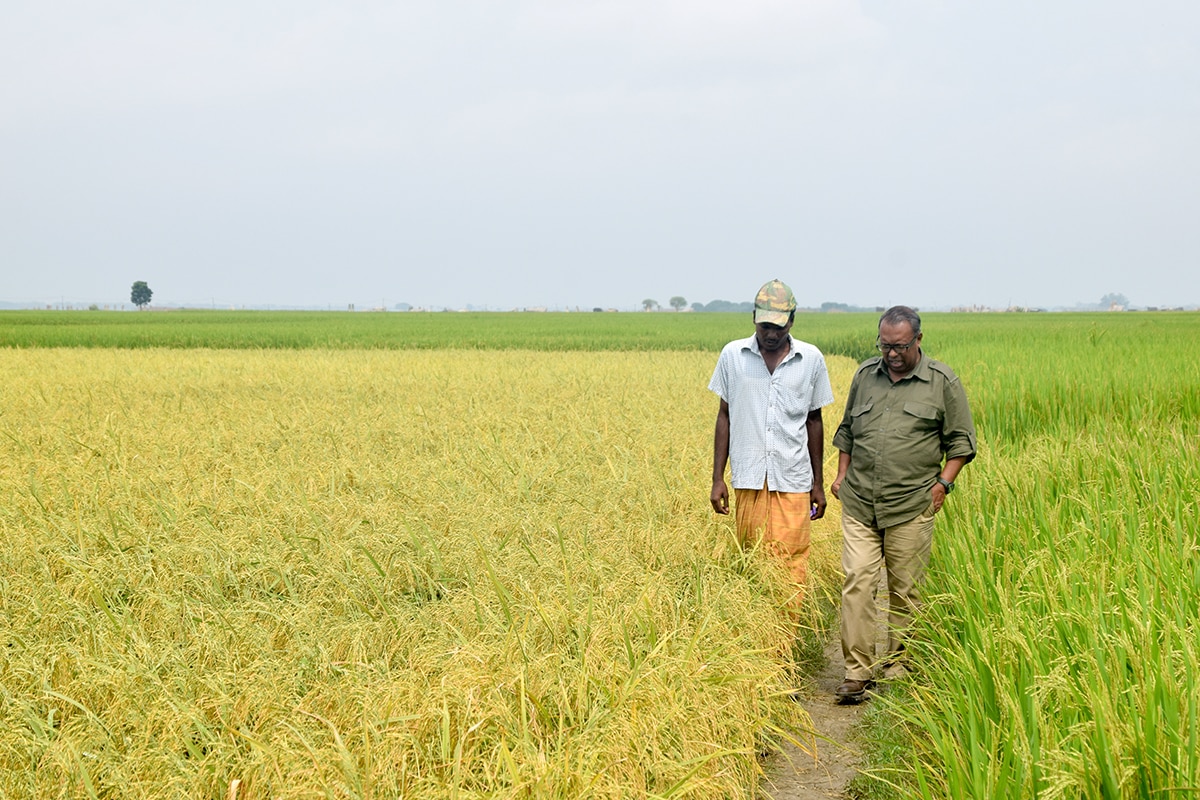
This year's World Food Day theme is social protection and agriculture to break rural poverty. As farm costs rise, many landowners lease land to labourers and sharecroppers and move to cities; for those who work their own fields, farming is relatively profitable. Meanwhile, Europe's farms use technology such as LED lighting at GreenQ in the Netherlands. Hybrid rice pioneer Yuan Longping urges strengthening ordinary farmers; Scottish organic farmer Patty Ritchie calls for global unity on climate; and Green Revolution leader Dr M S Swaminathan, whom Seraj met in Rwanda, said soil health is the precondition of food security.
Bangladesh's record
Bangladesh, among the most climate-vulnerable countries, has made remarkable gains in grain, fish (fourth in the world) and vegetables. Yet 41 per cent of children under five are stunted, 36 per cent underweight and 51 per cent anaemic, and 41 per cent of people consume under 2,122 kilocalories. BRAC founder Sir Fazle Hasan Abed won the World Food Prize this year. The village, Seraj writes, remains the key to the world's food future.
Source: Shykh Seraj. First published in Bengali on The Agro News.

Comments
(0)