
Water scarcity is the climate threat food companies fear most, but very few of them can tell whether their spending on resilience is reducing it, according to the Climate-Smart Resilience Report 2026 from Lumina Intelligence, reported by AgNavigator.
In the survey of 250 senior executives at food, beverage, ingredient and FMCG manufacturers, 42.8% named water scarcity as the single greatest climate threat to food production over the next five years, and nearly 70% said water resilience was very or extremely important to business survival. Only 9.6% measure water savings when they assess climate resilience investments. "We are looking at a significant blind spot at the heart of the global food system," said Katie Gallagher, insight lead at Lumina Intelligence.
The share of companies prioritising water stewardship is expected to rise from 15% today to 22% over the next three years, and nearly 60% of executives said a lack of clear return-on-investment data was the biggest barrier to acting. AgNavigator argues that this creates demand for tools that can measure, verify and cut water use in supply chains: precision irrigation, soil sensors, farm-management platforms, satellite monitoring and sustainability software.
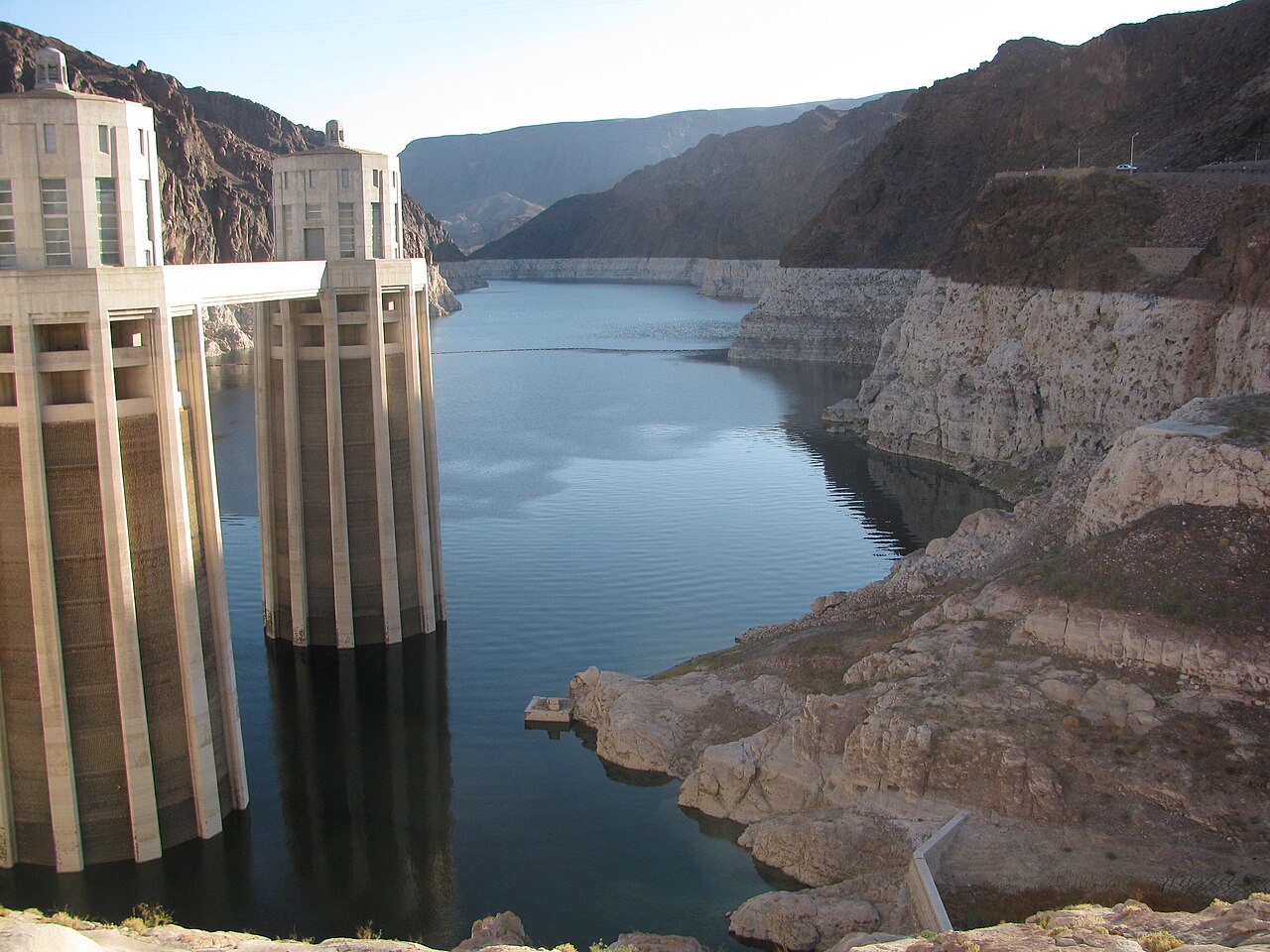
Michael Lee, managing director of Syngenta Group Ventures, told AgNavigator at the World Agri-Tech Innovation Summit in London that climate change shows up on farms as a lack of water and crops facing heat they cannot tolerate. He pointed to Lake Mead, the Colorado River reservoir formed by the Hoover Dam, which AgNavigator says stood at about 26.1% of capacity in mid-October. Lee named Phytech, a Syngenta-backed irrigation decision-support company whose platform combines plant sensors, soil-moisture monitoring and environmental data across hundreds of thousands of acres of perennial crops, as the kind of business likely to benefit.
The report also finds a gap between China and the West. More than half (53%) of Chinese respondents said they were investing more in climate-smart initiatives, such as regenerative agriculture, water stewardship, biological crop inputs and carbon reporting, than three years ago, the highest share of any region. None described their approach as compliance-driven: 47% saw it as risk management and 20% as a driver of innovation and growth. In China 10% of companies have fully built climate resilience into corporate strategy, against a global average of 6%.
Gallagher said Chinese food companies were treating climate resilience as a competitive strategy, much as China did with electric vehicles and green energy, while Western businesses were more hesitant over payback periods.
Photo: Raquel Baranow / Wikimedia Commons (CC BY-SA 3.0)
Source: AgNavigator


Comments
(0)