
International food prices eased in October as buyers held back, the Food and Agriculture Organization of the United Nations said on Friday. Its Food Price Index averaged 133.9 points, 1.6 points or 1.2 percent below a revised September figure. The index is still 5.9 percent higher than a year ago and 16.4 percent under its peak of March 2022.
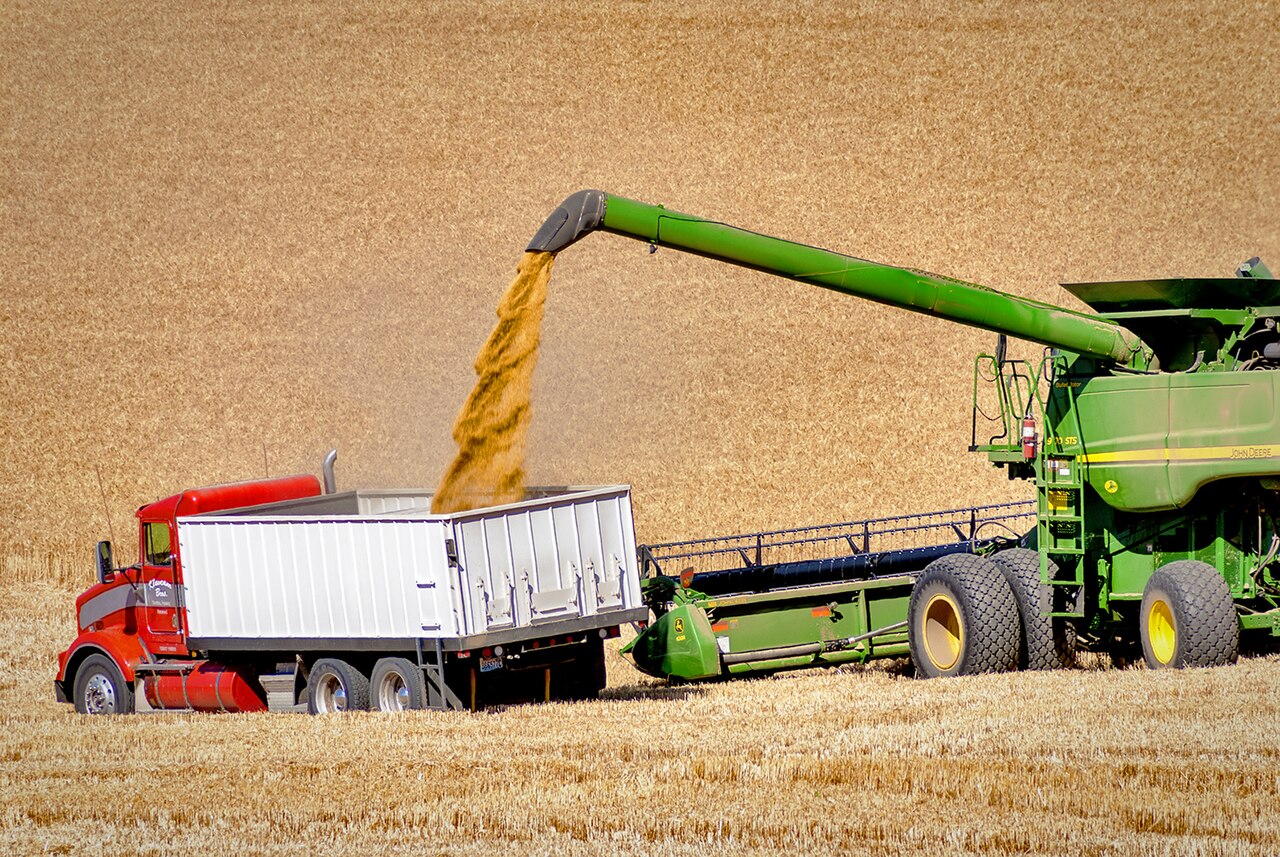
Cereals drove the fall, with the cereal index down 4.5 percent. Wheat dropped after four straight monthly gains, on thin demand, a better crop outlook in Argentina and hopes that Black Sea shipments may flow more freely. Maize also came off the three-year high it reached in September, pressed by the US harvest and large expected supplies from South America. Rice went the other way: the all-rice index rose 1.6 percent as harvest delays, bad weather and higher costs tightened the market.
Meat fell 1.2 percent, with pig, sheep and beef prices lower and poultry about level. Dairy lost 1.1 percent as butter and cheese weakened, although milk powder kept rising. Vegetable oils edged up 0.3 percent. Soybean oil reached its highest price since late 2022 on demand from biofuel makers, while rapeseed oil fell.
Sugar was the sharpest mover. Its index rose 6.6 percent in the month and stands 28.8 percent above last October, the highest since December 2024. FAO put that down to rain interrupting cane harvesting and crushing in Centre-South Brazil, along with worries over the 2026/27 crops in India, the European Union and Thailand.
FAO also trimmed its view of the year ahead. World cereal output in 2026 is forecast at 2,999 million tonnes, below the 2025 record but still the second highest ever. Rice output is set to fall for the first time in four seasons, by 2.5 percent to 552 million tonnes, because of poor margins for growers and weather linked to El Nino. Cereal trade in 2026/27 is expected to shrink 3.3 percent to 507.7 million tonnes, with wheat trade down 8.6 percent.
Stocks are expected to stay comfortable, with the stocks-to-use ratio forecast at 32.4 percent. The picture is harder in poorer countries. FAO counts 41 countries and territories that need outside food assistance, 31 of them in Africa. Conflict remains the main cause of the worst hunger, and the agency expects El Nino to keep damaging harvests in several regions into 2027.
For rice-eating countries in South Asia, the figures point in one direction: FAO expects less rice in 2026, and prices that were already rising in October.
Photo: Charles Knowles / Wikimedia Commons (CC BY 2.0)
Source: FAO Newsroom
Comments
(0)