
Avocado harvesting in Michoacan, Mexico's main growing region, remained suspended as of 2 November, more than a week after growers stopped work in a dispute over farmgate prices. US buyers now face dwindling stocks and rising costs.
Productores Unidos de Aguacate, which represents small growers, called the halt on 23 October. It wants a minimum price of 35 to 45 Mexican pesos a kilo (roughly $1.86 to $2.39), protection from competition from other states, and changes to VELAGRO, a digital tracking platform the state government began enforcing in early October. Growers say it is overly complicated and adds to their costs.
The union has met twice with the state government and with APEAM, the association of producers and packer-exporters, without agreement. APEAM says it does not set prices but is helping growers comply with VELAGRO. The union has also taken control of the local office of Sanidad Vegetal, the agency that certifies fruit for export.
Michoacan supplies up to 90 percent of the avocados sold in the United States. When the stoppage began, an estimated 56 million to 58 million pounds were in storage, against weekly US demand of about 50 million pounds. Road blockades in Michoacan and Jalisco have further slowed fruit moving to packers.
Produce supply service Markon Cooperative said on 2 November that there was "no official confirmation that growers will resume operations", while harvesting continued in Jalisco. Some packers are reportedly offering prices comparable to Jalisco's. Markon expects US prices to reset rather than return to earlier levels once picking restarts, because supply takes time to rebuild.
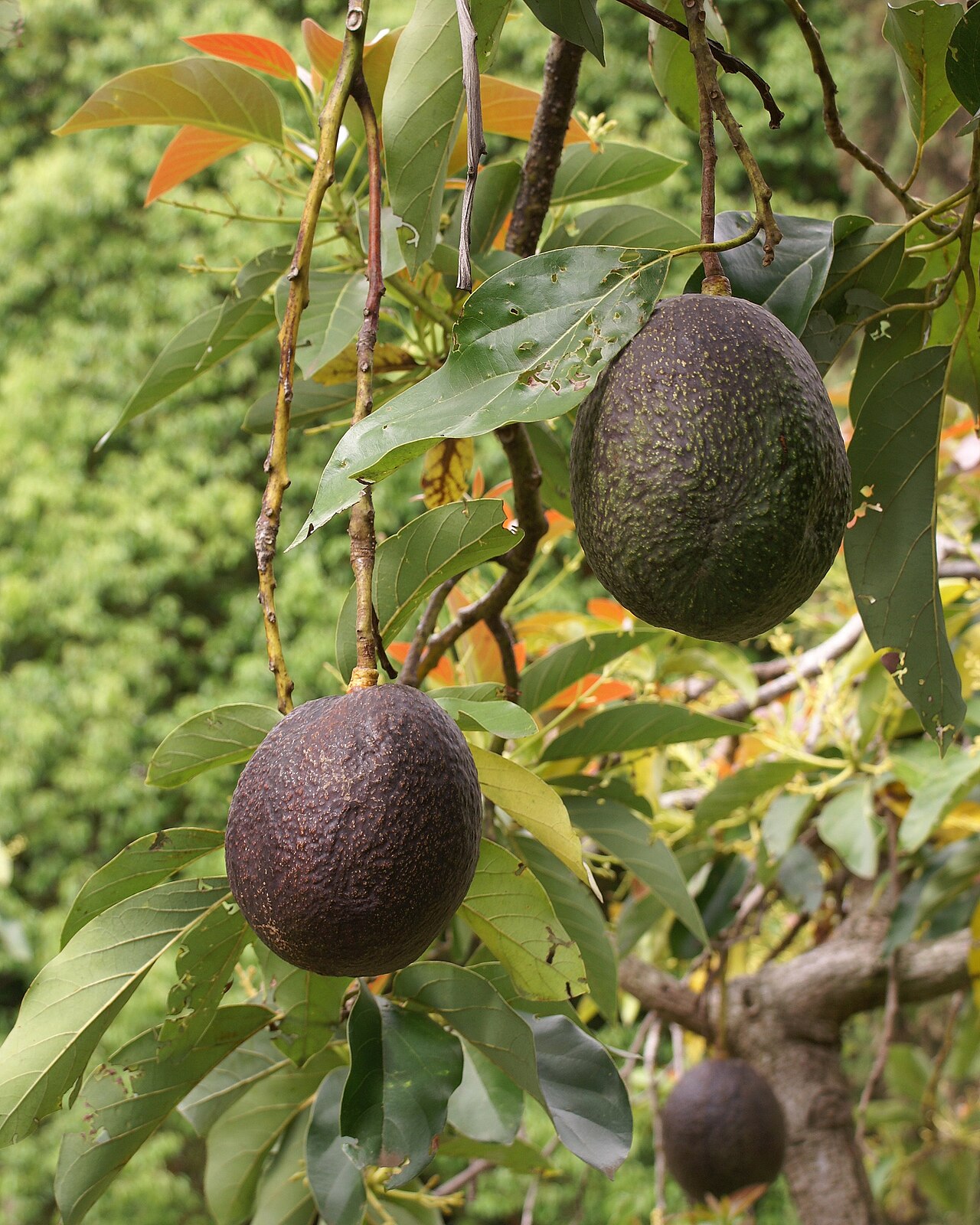
Photo: B.navez / Wikimedia Commons (CC BY-SA 3.0)
Source: Global Agriculture

Comments
(0)