
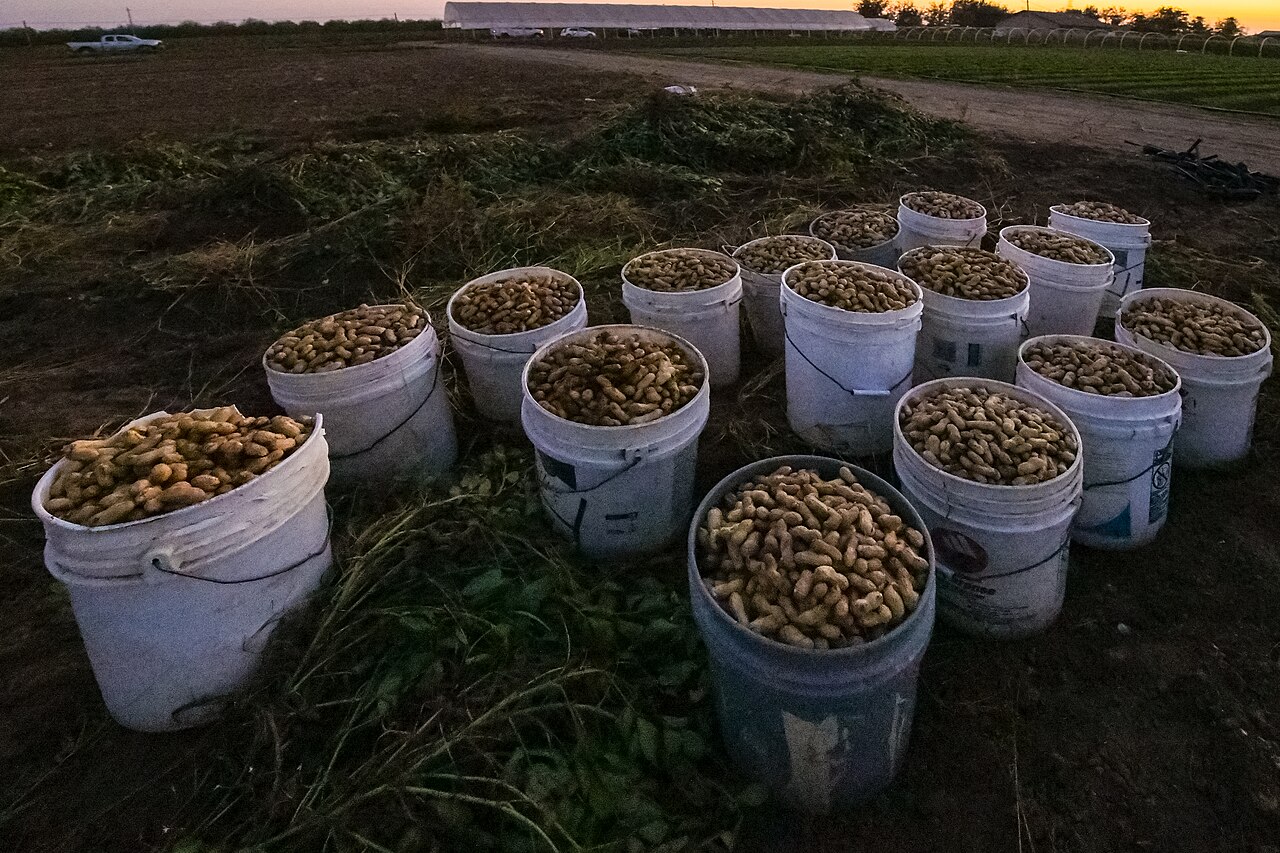
US peanut growers have collected more than half of the 2026 crop, with USDA projecting total production of about 2.56 million tons, down from nearly 3.55 million tons last year. Farms.com describes it as one of the smallest crops in more than a decade, although average yields are expected to stay close to last year's level.
The fall comes mainly from acreage. Growers cut plantings substantially after low contract offers earlier in the year. Hot, dry weather in parts of the producing region then reduced yield expectations, and later planting dates and weather interruptions have caused minor harvest delays.
Supplies remain adequate because the strong 2025 crop left record carryover stocks. That has its own cost: total peanut use declined in the 2025/26 marketing year, with lower use in peanut butter, candy and snack products, and inventory built up through the supply chain.
Many buyers are therefore delaying purchases until they get a clearer view of the size and quality of the harvest, which leaves producers uncertain.
The smaller crop is starting to support prices in regions where supplies are tighter, and farmers holding uncontracted peanuts may find better pricing. Market analysts believe the reduced output could help balance inventories over time.
Photo: USDAgov / Wikimedia Commons (Public domain)
Source: Farms.com
Comments
(0)