
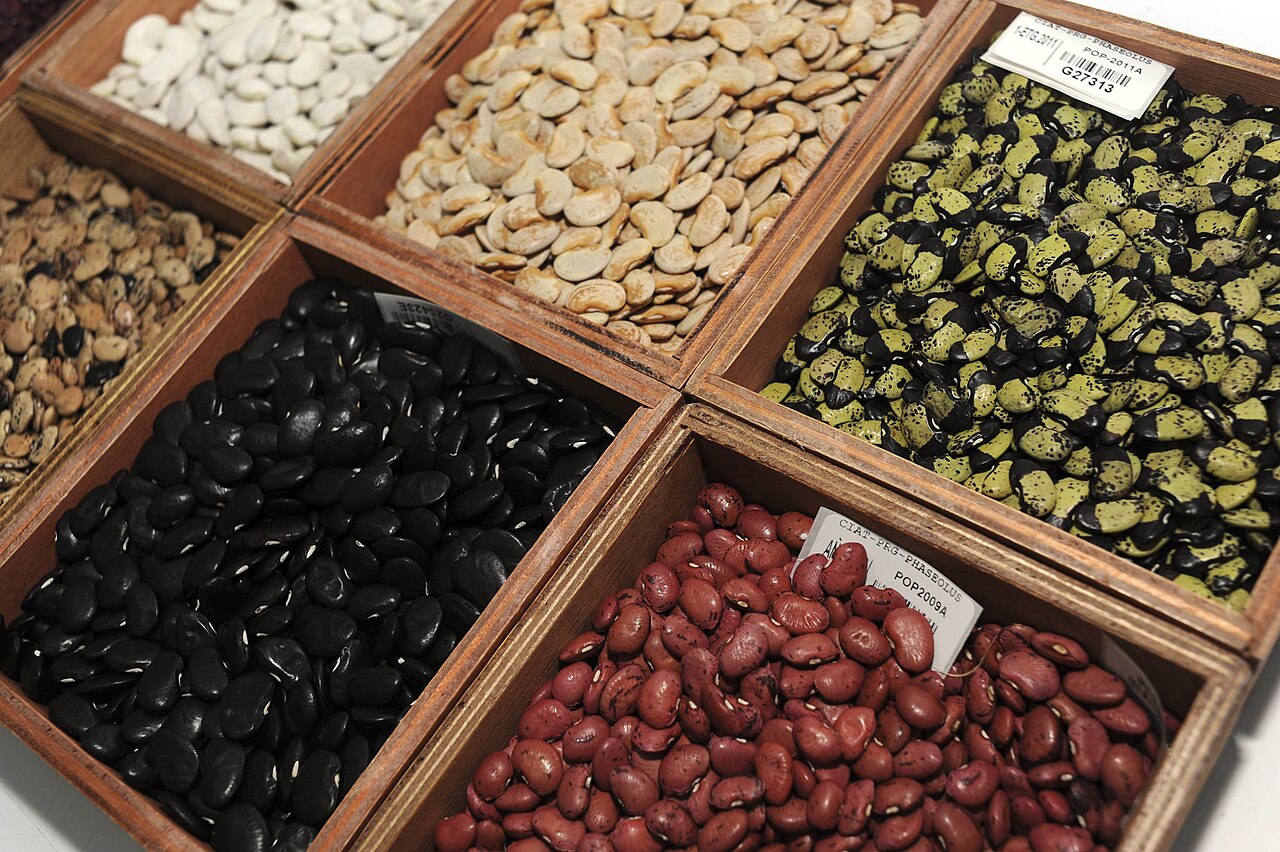
Euroseeds, the European seed industry association, has warned that proposed rules on how organic plant varieties are bred could restrict the choice of varieties available to organic farmers, Seed World Europe reports. Its new position paper concerns the revision of Regulation (EU) 2018/848 on organic production.
The association objects to Amendment 14, adopted by the European Parliament's agriculture committee, which would empower the European Commission to set additional rules for organic plant breeding through future delegated acts. Euroseeds says it supports organic farming and the supply of certified organic plant reproductive material (PRM), but that regulating how varieties are bred is different from making sure farmers have varieties suited to organic production.
Existing breeding programmes already deliver the agronomic performance, disease resistance and local adaptation organic and low-input systems need, the association argues, so varieties should be judged on those characteristics rather than on the breeding pathway. Further process requirements could restrict access to genetic resources, raise breeding costs, reduce efficiency and leave fewer varieties to multiply under organic conditions, narrowing farmers' choice and prolonging reliance on derogations where organic seed is scarce.
Euroseeds says the sector's main challenge is the availability of certified organic seed, not where breeding programmes come from, and calls for attention to multiplication capacity, seed quality, market information and national organic seed databases. It urges the Parliament and the Council to remove Amendment 14, keep a performance-based approach and meet any extra demand through voluntary standards.
Photo: Neil Palmer (CIAT) / Wikimedia Commons (CC BY-SA 2.0)
Source: Seed World Europe

Comments
(0)