

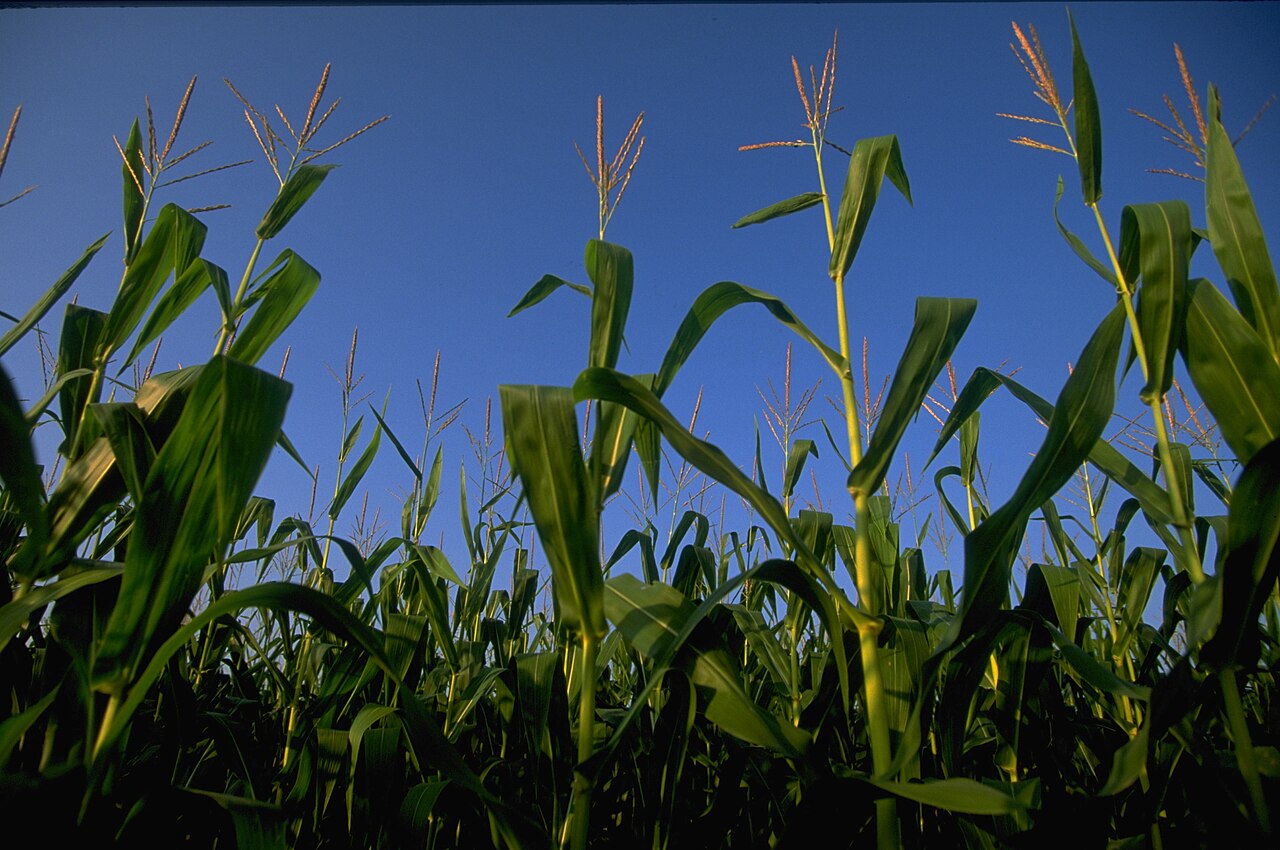
An extract made from field weeds could work as a natural biostimulant for maize, according to a study published in Scientific Reports by R. Anggriawan, K. Romaneckas, A. Sinkeviciene and colleagues, AgroPages reports.
The researchers first tested water extracts from plants of the legume, grass and cabbage families on early maize growth in the laboratory, at concentrations of 1:250, 1:50 and 1:10. The families behaved very differently: cabbage-family extracts were the most inhibitory, cutting germination by up to 49.7 percentage points and root length by 69 percent, while grass-family extracts had only minor effects.
The most promising, a field weed extract, was then tested in the field. At a 1:50 concentration it increased cob density by 64.6 percent and grain yield by 54.3 percent compared with untreated maize, while the stronger 1:10 concentration raised grain protein by 13.8 percent and cut crude fibre by 20.1 percent.
The authors say combining laboratory screening with field trials is a useful way to find allelopathic plant extracts that could serve as environmentally friendly biostimulants.
Photo: SuSanA Secretariat / Wikimedia Commons (CC BY 2.0)
Source: AgroPages

Comments
(0)