
Between 2022 and 2026 the Inchanga Agroecology Hub in eThekwini Municipality, KwaZulu-Natal, employed and trained 697 people and worked with 171 farmers through training, mentoring, technical help and production resources, writes Dr Siphesihle Qange, agricultural programme lead at the Seriti Institute, in a column for Food for Mzansi. Three youth-led cooperatives were registered and the hub recorded a 71% adoption rate of agroecological practices. The views are the writer's own.
Qange argues that those numbers matter less than one question: what remains when the project ends? The hub brought together the municipality, which gave land, infrastructure and institutional support, the Southern Africa Food Lab (SAFL), which brought agroecological knowledge, and Seriti, which ran activities with farmers and coordinated partners. Over time research bodies, certification and market groups and government farm services joined the network.
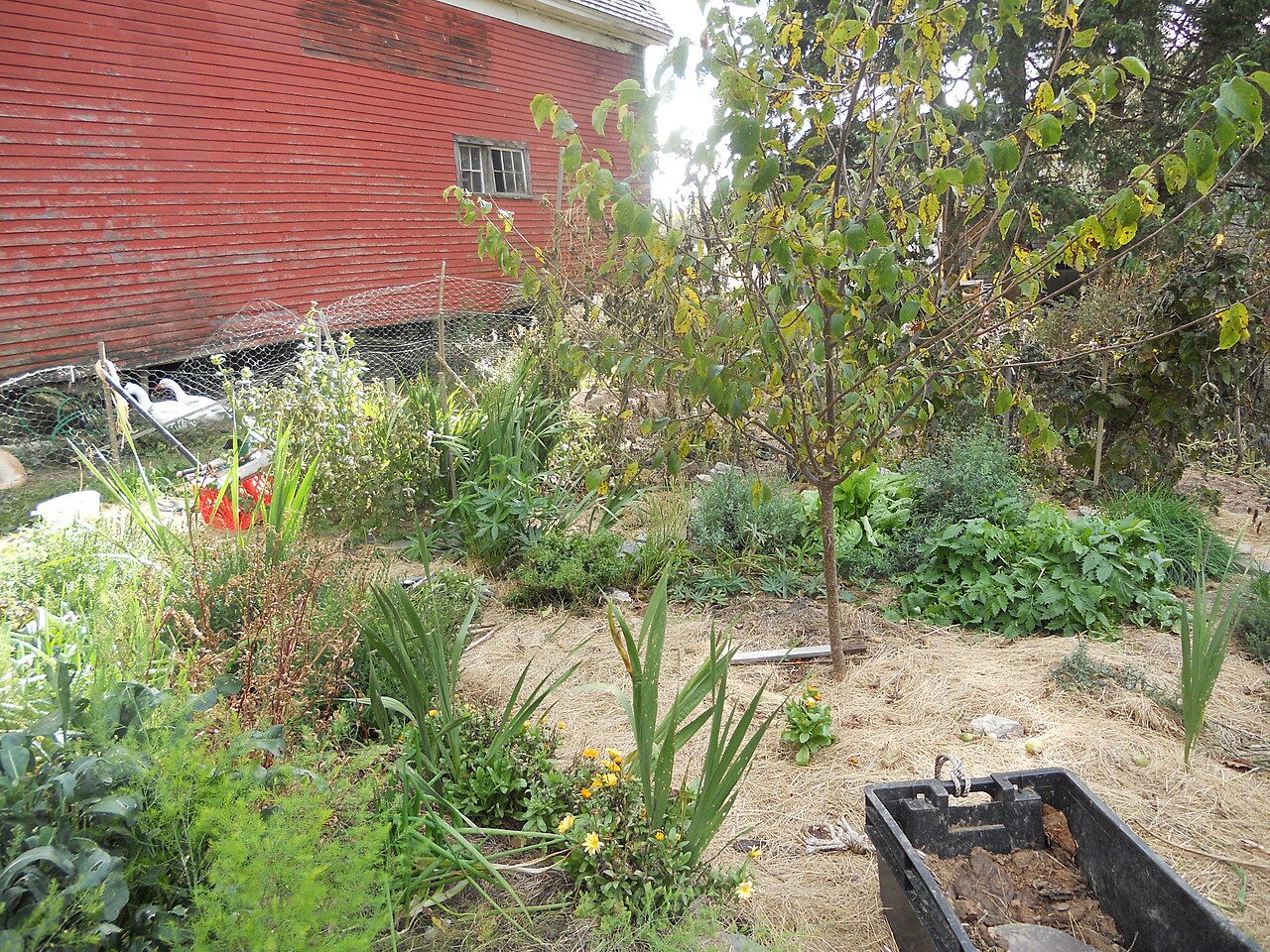
Farmers could see composting, regenerative production, biodiversity and water-efficient farming working on the ground rather than hear about them in a training room. Scott Drimie, co-director of SAFL, credits John Nzira of Ukuvuna with getting the site designed as one system: the chicken run, compost, beds, trees and wetland each feed something else, seed is saved on site and feed is grown rather than bought.
"Agroecology has a clear meaning. It is farming that works with ecological processes rather than against them, and it is equally about who holds the knowledge and who controls seed, land and markets," Drimie said. Swapping bought fertiliser for compost, he added, is not agroecology on its own if the wider system stays the same.
For Qange the most lasting result is relationships. PGS 1 000 Hills, a participatory guarantee scheme, continues to support farmer certification, consignments, off-take arrangements and a weekly market, links that can outlive any single funding cycle.
His conclusion is that development organisations should aim to make themselves less necessary over time, moving from implementer to partner. Agroecology will succeed, he writes, when farmers can make informed decisions, young people see real opportunities in farming, markets value what farmers grow and communities have a stake in the systems built around them.
Photo: Gandydancer / Wikimedia Commons (CC BY-SA 3.0)
Source: Food for Mzansi


Comments
(0)