
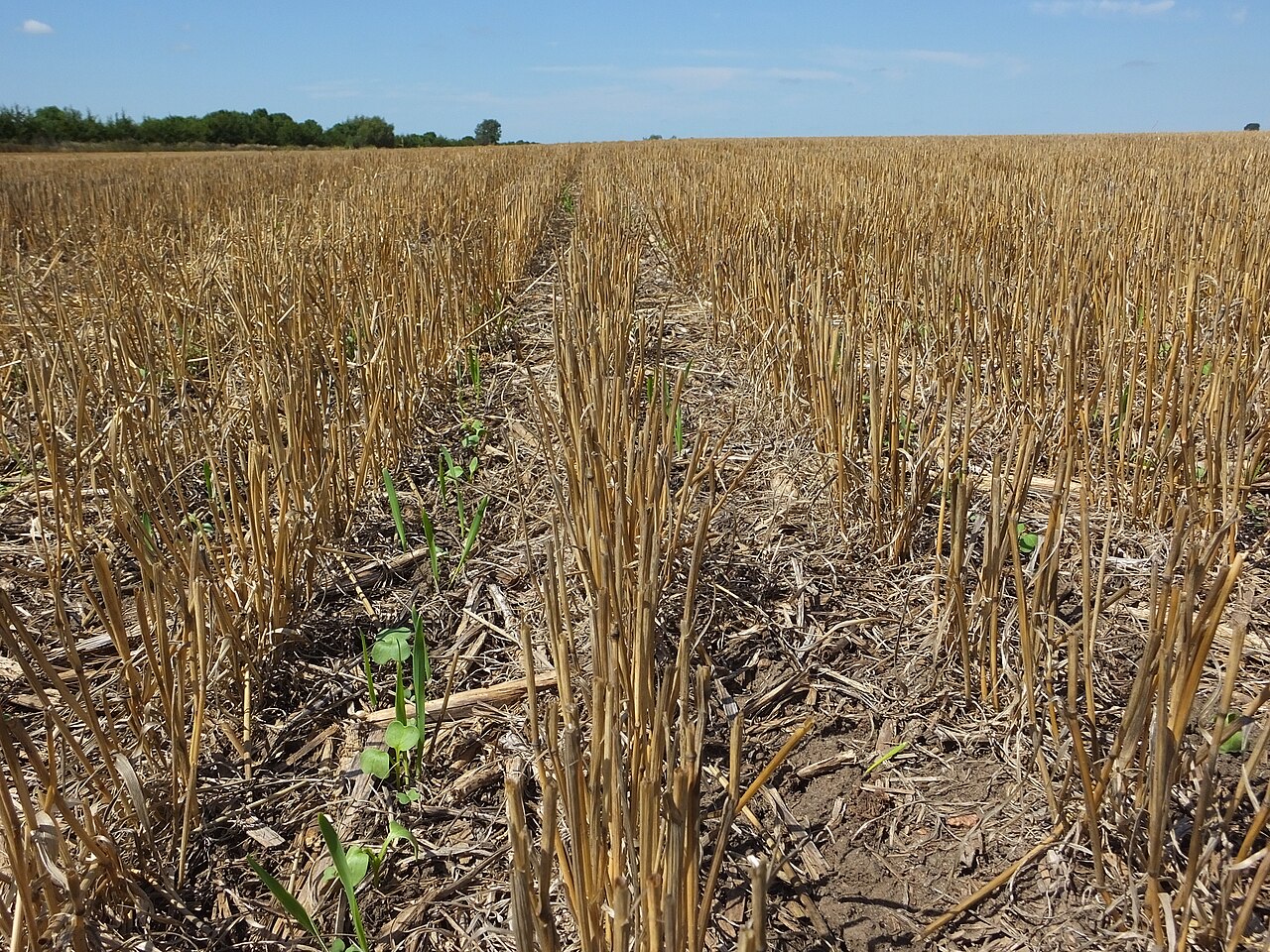
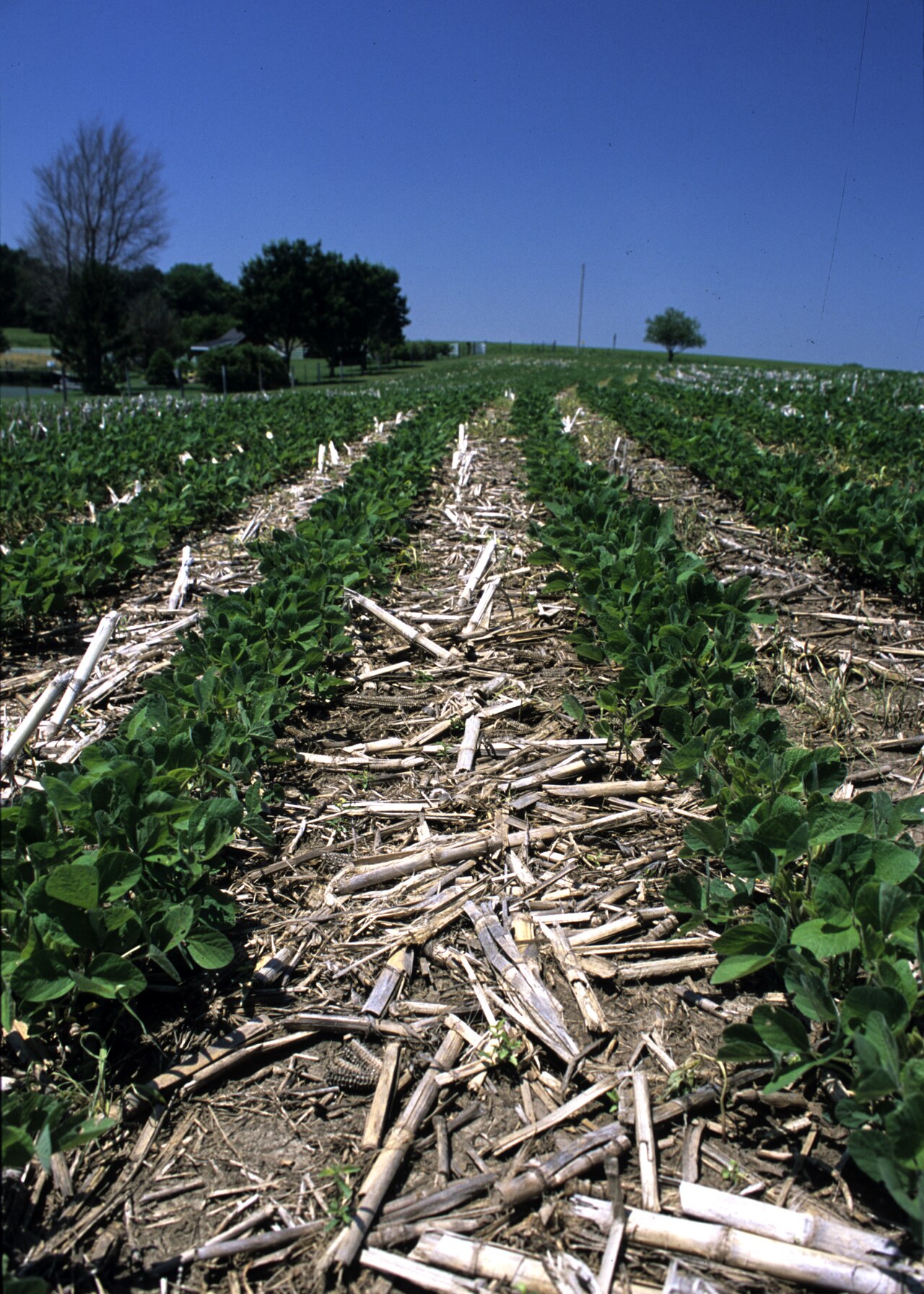
Cover crops can improve soil health and drought resilience, but their economics remain the main hurdle to adoption, South Dakota State University Extension says, All Ag News reports. Establishment typically costs $42 to $120 an acre, depending on seed, planting, fertilizer adjustments and termination.
Research cited by SDSU puts the fertilizer saving at about $7.98 an acre and the gain in the following crop's returns at $31.37 to $66.42 an acre, with erosion control, water infiltration and better soil structure adding value over time.
Grazing improves the near-term picture. South Dakota research found that grazing cover crops produced net benefits of $17.23 an acre in the first year and $43.61 in the second, after establishment and grazing costs.
Cost-share programmes reduce the risk further: the Environmental Quality Incentives Program can cover up to 75 percent of establishment costs, and the Conservation Stewardship Program supports farmers moving to more advanced systems. SDSU says adoption remains modest statewide but is growing in several eastern South Dakota counties.
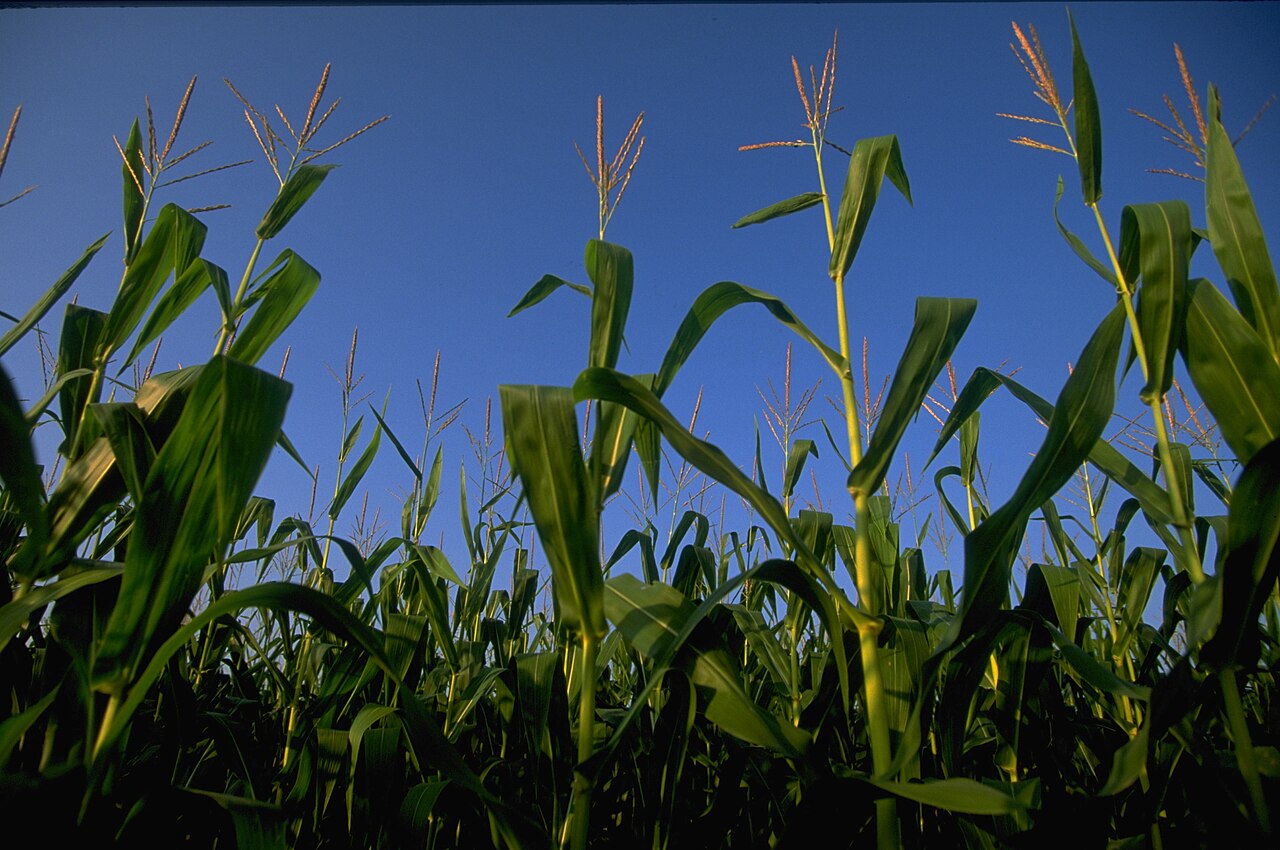
Photo: USDA NRCS South Dakota / Wikimedia Commons (CC BY-SA 2.0)
Source: All Ag News
Comments
(0)