

European soybean production is expected to fall by around 20 per cent in 2026 after heatwaves and drought hit much of the continent, with EU output forecast at just 2.4 million tonnes, according to a market report from Donau Soja, which leaves the bloc more reliant on imported protein.
The average EU yield has dropped to 2.24 tonnes per hectare, about 15 per cent below the five-year average. Italy, the largest EU producer, is expected to harvest 900,000 tonnes. Austrian production is forecast to fall 36 per cent to 180,000 tonnes.
Two countries are moving the other way. Poland is expected to become the EU's third-largest producer, with output up more than 15 per cent to 264,000 tonnes, and Germany is forecast to raise production by 2.4 per cent to 134,000 tonnes.
Ukraine, one of Europe's most important suppliers of non-GM soya, is expected to produce 4.4 million tonnes, around 10 per cent less than last year. Its exports already point to a tighter market: it shipped only 27,000 tonnes in September, roughly one-third of the volume a year earlier.
Donau Soja forecasts the EU's soya self-sufficiency ratio falling from around 8 per cent in 2025/26 to approximately 6 per cent in 2026/27, leaving it more exposed to global supply disruptions.
"With only 8% self-sufficiency in soya, Europe has a clear vulnerability and significant potential to increase production," said Aurélie Tournan, the organisation's general manager, who argued for more European-grown protein crops and stronger regional supply chains.
Reported by Oliver Morrison for AgNavigator.
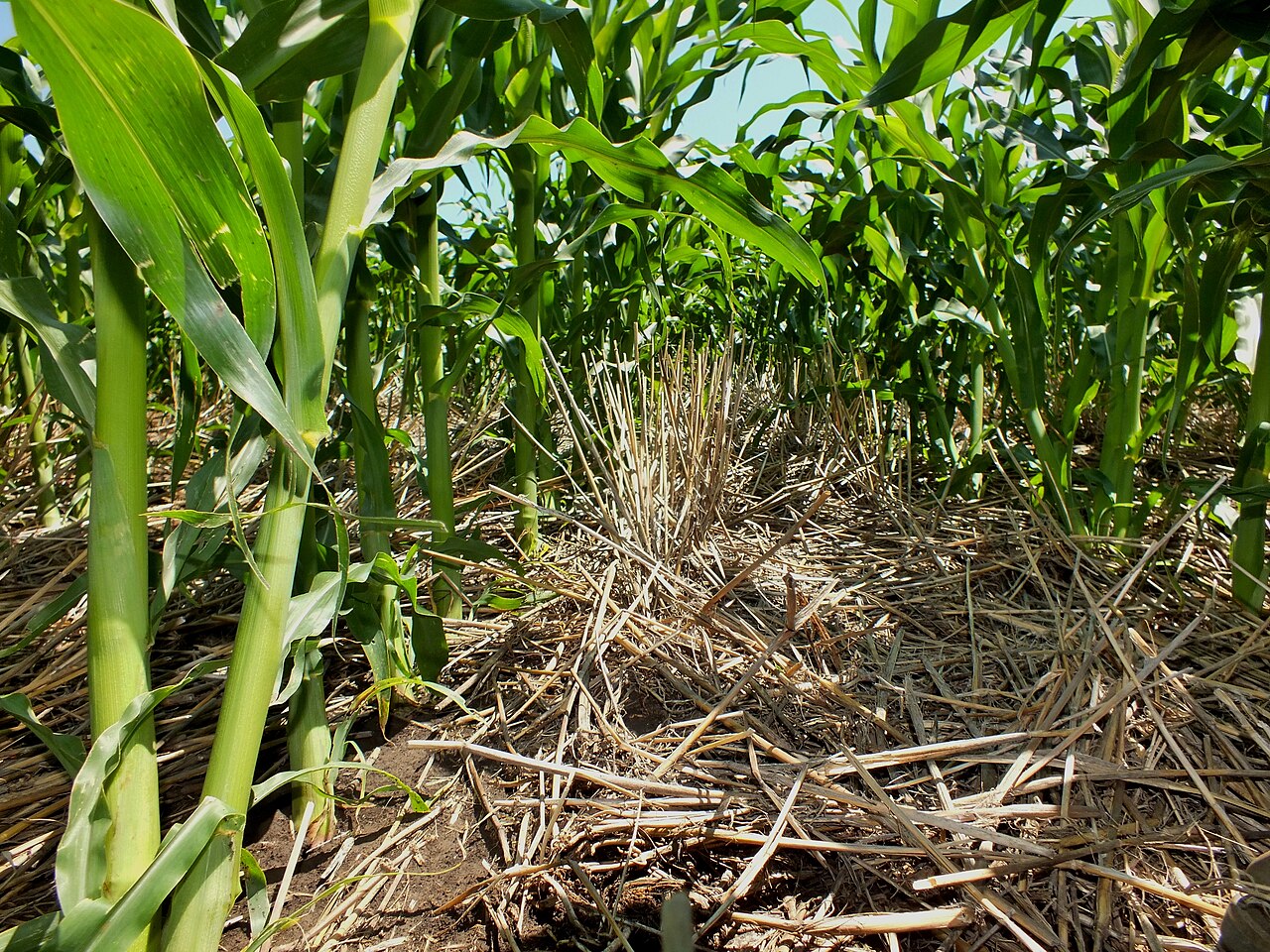
Photo: United Soybean Board / Wikimedia Commons (CC BY 2.0)
Source: AgNavigator


Comments
(0)