
European food-safety authorities have repeatedly found unauthorised genetically modified material in rice and rice-based foods from China this year, extending a regulatory problem that dates back more than a decade.
Up to 8 September, the EU's Rapid Alert System for Food and Feed (RASFF) recorded at least six 2026 notifications involving GM material in Chinese rice products or foods containing rice, including rice noodles, miso paste, hydrolysed rice flour, rice crackers and rice sticks.
The most recent came on 8 September, when Italian authorities flagged rice sticks carrying an unauthorised GM component identified as the NOS terminator. Italy reported rice crackers on 3 August and another shipment on 6 August. The Netherlands reported GM material in hydrolysed rice flour on 13 July and the Cry1Ab/Ac trait in miso paste on 6 July; the year's first case, on 12 March, was Cry1Ab/Ac in rice noodles, also reported by the Dutch.
A notification does not necessarily mean the food reached consumers: RASFF covers shipments rejected at the EU's external borders as well as alerts about products further along the supply chain.
The European Commission adopted emergency measures in 2011 after GM rice varieties were found in Chinese products, and rice and rice products from China — including flour, starch and noodles — remain under specific import requirements. At that time no GM rice was authorised in the EU. China issued biosafety certificates for two insect-resistant GM rice lines in 2009, but they were never commercialised; research published in 2025 noted that China still had not approved GM rice for commercial cultivation, and the US Department of Agriculture has reported that Beijing issued its first gene-edited rice biosafety certificate in late 2024.
The findings come as China tightens its own checks on imports for GM material. It has rejected Indian rice shipments this year over reported GM content, which Indian exporters dispute; India's Agricultural and Processed Food Products Export Development Authority published a list of approved GMO-testing laboratories for China-bound rice in June.
For rice exporters across Asia, the episode shows how GM testing at the border has become a trade issue in both directions, with laboratory results able to stop a shipment in Europe or China.
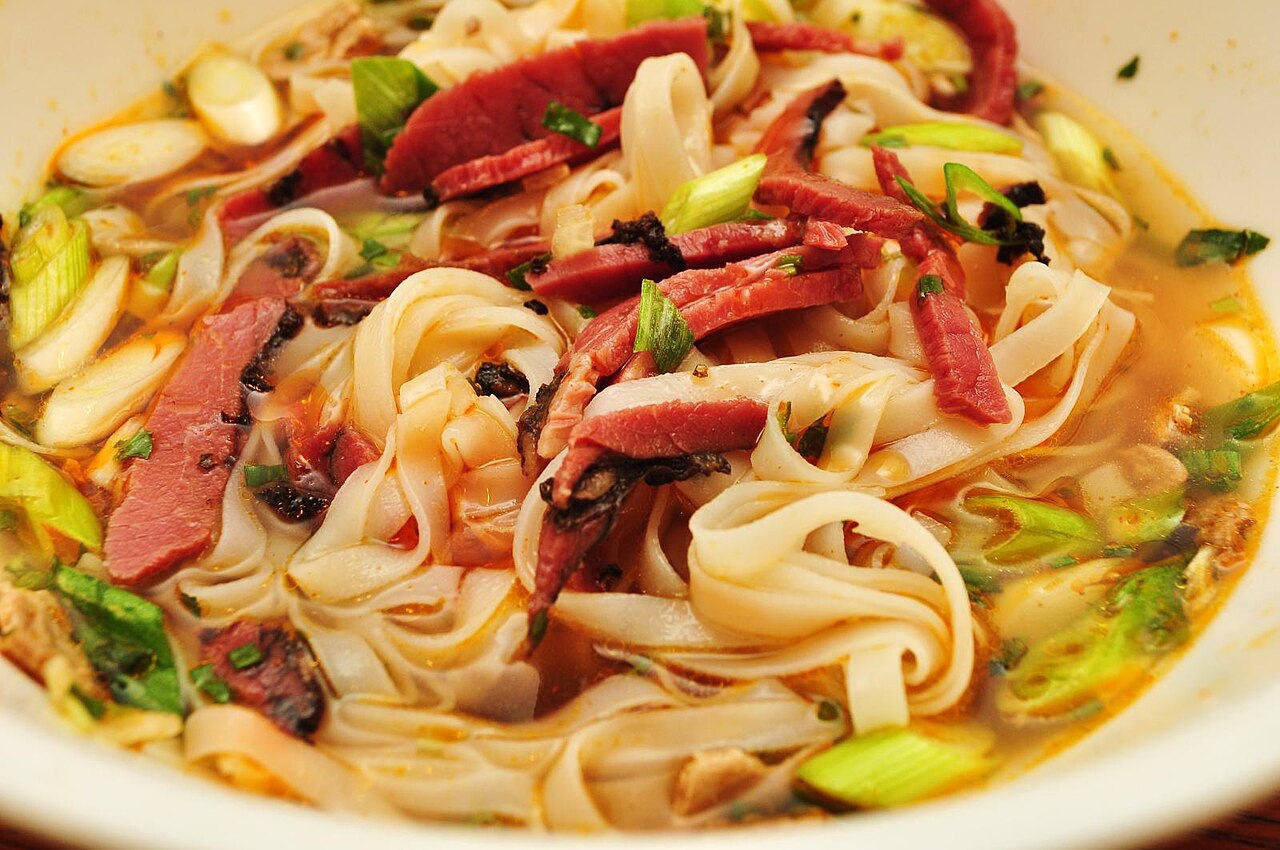
Photo: jeffreyw / Wikimedia Commons (CC BY 2.0)
Source: AGDAILY



Comments
(0)