
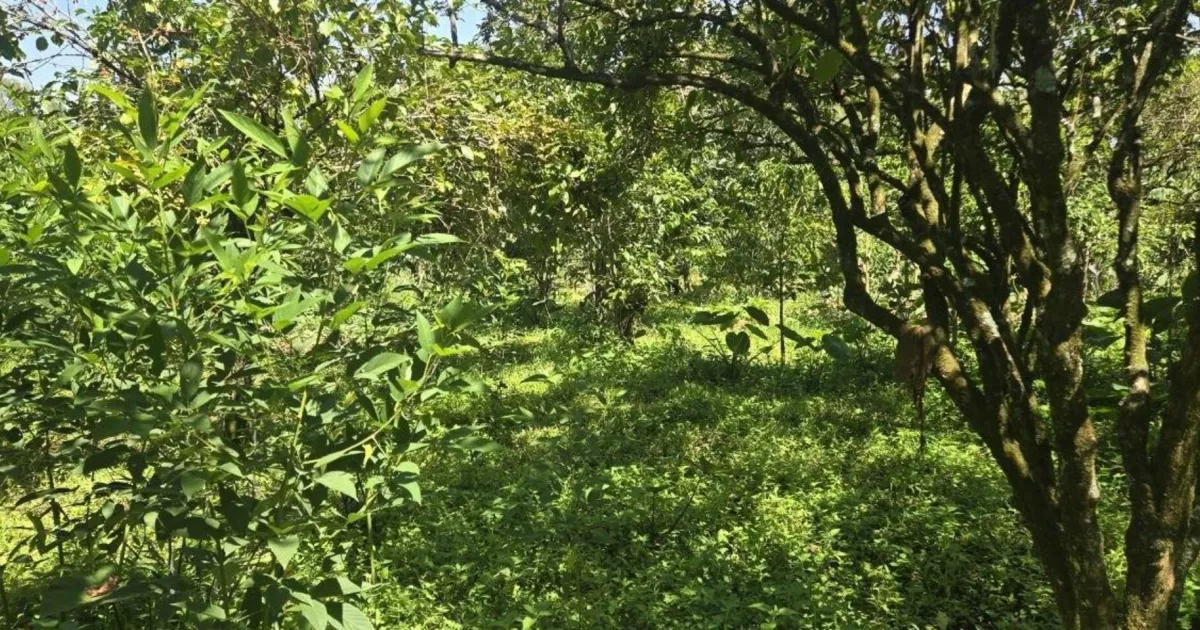
Forest coffee, diversified beekeeping, spices, bamboo processing and timber plantations have emerged as the most promising livelihoods for communities who keep the forests of Ethiopia's Upper Omo-Ghibe basin intact, according to consultations convened by the Alliance of Bioversity International and CIAT under the CGIAR Multifunctional Landscapes Science Program.
The basin holds most of Ethiopia's forests and biodiversity and is central to the country's plans for large-scale irrigated agriculture, hydropower and agro-industry. Conservation and restoration there require substantial resources, and are often said to restrict forest-dependent communities' access to what they rely on, while compensation for protecting forests has rarely materialised.
Ethiopia has built strong momentum on restoration, including the 2024 Green Legacy and Degraded Landscape Restoration Special Fund that sets aside 0.5-1% of the federal budget for nature restoration. But the consultations asked where the equally visible financing window is for communities who stop intact forest from being degraded in the first place. Tree planting produces before-and-after images that attract money; avoided degradation does not, and REDD+ mechanisms are slow, complex and costly for local people to access.
A national consultation in Addis Ababa on 6 August weighed candidate livelihoods against their contribution to forest protection, livelihood benefit, market potential, feasibility and ease of monitoring. A landscape-level consultation in Jimma on 11 August, with participants from the Keffa and Jimma zones, validated the five options and added indigenous tree-seed enterprises, multipurpose agroforestry, premium forest-friendly markets and sustainable livestock activities. Payments for ecosystem services and timber production, participants said, need deliberate development before they can work.
The right activity depends on the place. In relatively intact forest, only canopy-compatible options such as managed beekeeping and sustainable harvesting of non-timber products fit. Degraded forest calls for assisted natural regeneration with native species. Farms and other non-forest land can carry fruit trees, woodlots, bamboo and agroforestry, provided they do not encourage further clearing.
The analysis, by Yodit Balcha and Kalkidan Ayele Mulatu, sets out six complementary incentive mechanisms: public programme allocations, grants and readiness support, finance and risk-sharing instruments such as loans and blended finance, market and buyer incentives including price premiums, ecosystem and results-based payments, and non-financial incentives such as secure tenure and transparent benefit-sharing.
The programme will now consolidate the evidence, match livelihoods to incentives and draw up a roadmap for Southwest Ethiopia that says which mechanisms suit which livelihood and location, what safeguards are needed and where local capacity must be built. The objective, the authors say, is not to abandon restoration but to complete the incentive system so that keeping a forest standing pays.
Source: CGIAR

Comments
(0)