
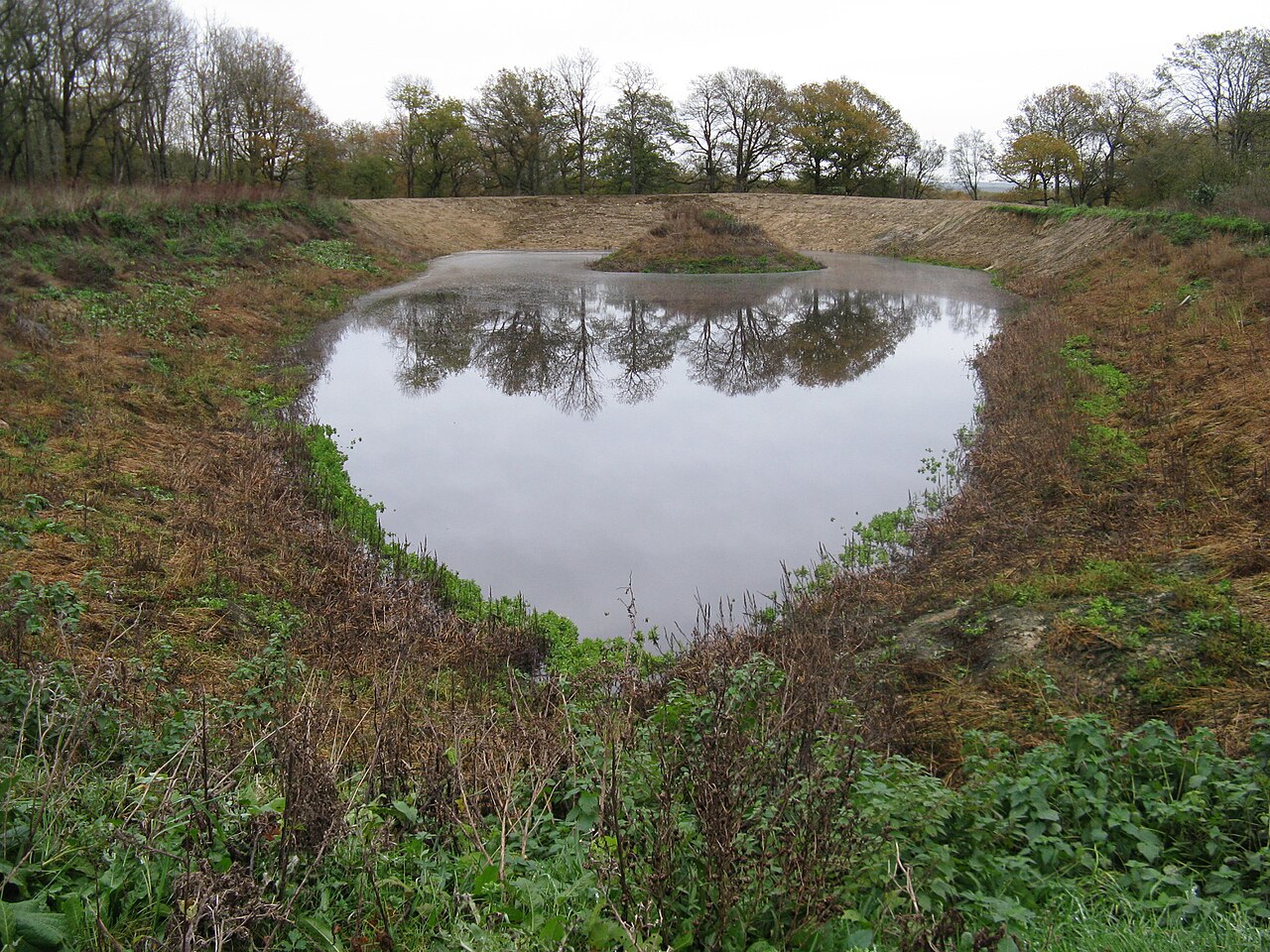
Eligible farmers in England can refill existing storage reservoirs out of season this month, as water resources remain under strain after months of below-average rain, Farmers Weekly reports. The Environment Agency (EA) announced two changes to abstraction licensing at the National Drought Group meeting on 1 October.
First, eligible winter licence holders can take water from 1 to 31 October to refill existing reservoirs used for spray or trickle irrigation. The measure does not apply to principal salmon rivers or catchments with a section 57 spray-irrigation restriction, and existing conditions such as hands-off-flow requirements still apply. Second, longer-term licences are easier to obtain, because applicants no longer need the long-term environmental and economic assessments that had been a barrier.
Reservoir storage in England would normally be about 74 percent full at this time of year, but many reservoirs are below half, with Ardingly in West Sussex at 23 percent and Wimbleball in Somerset at 21 percent. September was the sixth month of 2026 with below-average rainfall nationally, at 65 percent of the long-term average, and only 52 and 57 percent in the East and South East.
NFU deputy president Paul Tompkins called the changes "a welcome step" after an exceptionally hot and difficult summer but warned they would not help all farmers, particularly in the most water-stressed areas. The EA says drought pressure is far from over.
Scotland, by contrast, is preparing for a wetter, stormier autumn: the Scottish Environment Protection Agency is urging people to check their flood risk.
Photo: Dave Spicer / Wikimedia Commons (CC BY-SA 2.0)
Source: Farmers Weekly




Comments
(0)