
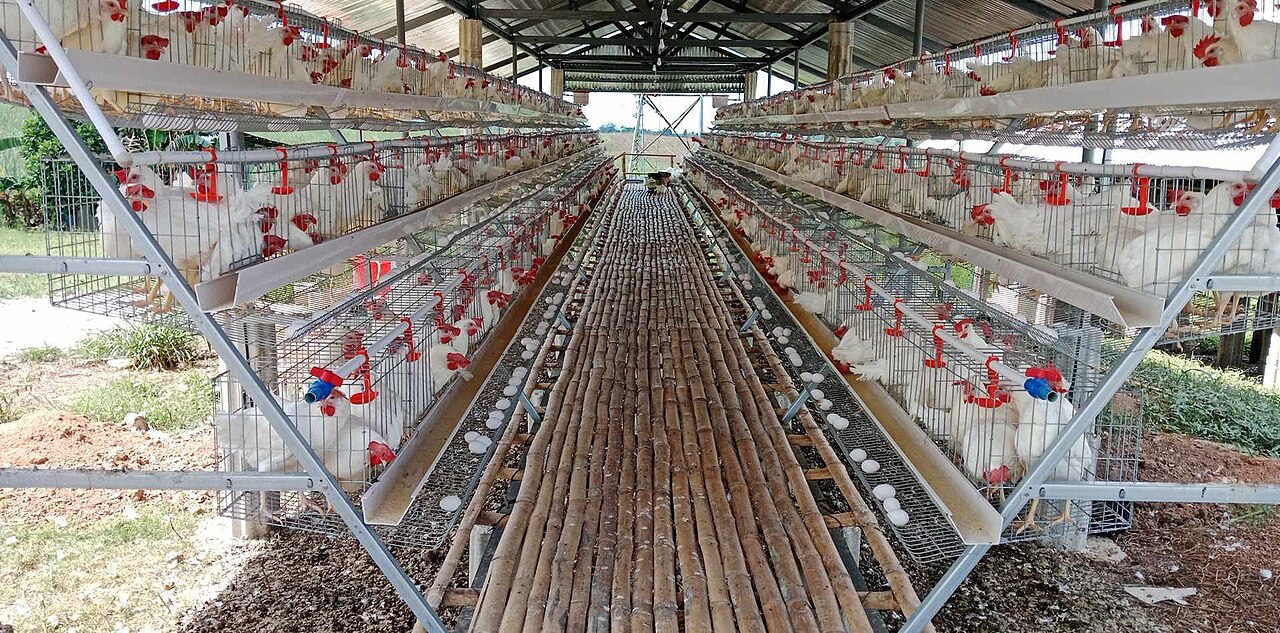
A strengthening El Niño poses risks to the Philippine poultry sector into the first half of 2027, according to a US Department of Agriculture Foreign Agricultural Service (FAS) report reported by The Poultry Site.
The Philippine weather agency PAGASA says a moderate El Niño is present in the tropical Pacific and could become very strong before the end of 2026, raising the likelihood of below-normal rainfall, dry spells and drought in parts of the country.
The University of the Philippines Los Baños warns of direct and indirect effects. Heat stress in broilers and layers could reduce market weights, worsen feed conversion, lower hatchability and cut marketable egg output, and mortality could rise in poorly ventilated houses, with smallholders reporting losses of up to 20% during a strong El Niño. Lower corn production could also tighten feed supplies and raise costs.
Industry contacts expect tunnel-ventilated, temperature-controlled commercial farms to limit the damage. Operators in traditional housing are installing blowers and moving feeding to cooler hours, and integrated companies are looking at alternative raw materials and feed reformulation.
The Department of Agriculture reactivated its El Niño task force on 28 May 2026. Its measures include cloud seeding, solar-powered irrigation, revised planting schedules and crop diversification; the corn sector suffered the most damage in the 2023-2024 El Niño. The report was written up by Melanie Epp.
Photo: Catherine Sarrosa / Wikimedia Commons (CC0)
Source: The Poultry Site


Comments
(0)