
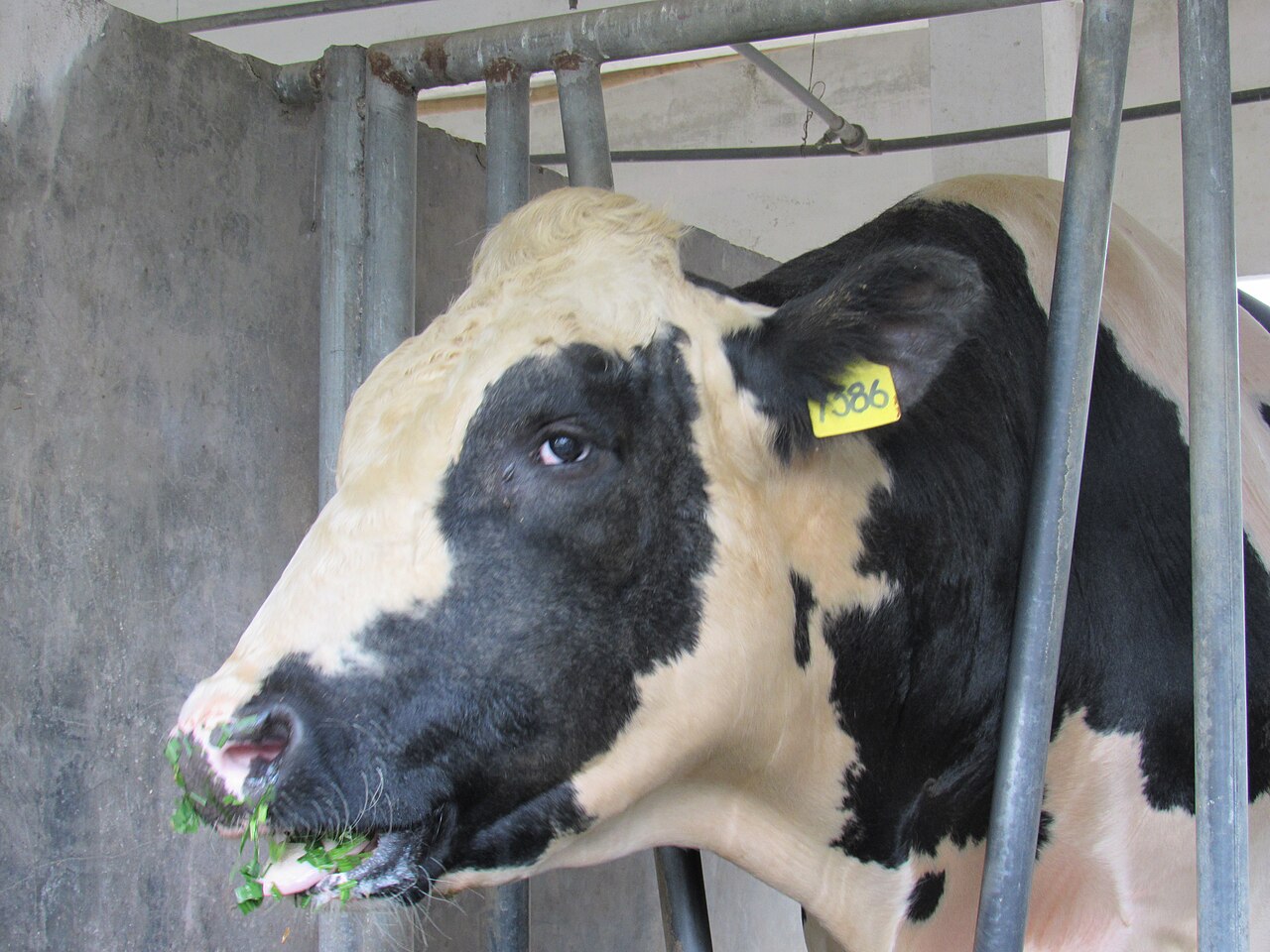
The cattle farm of young farmer Nure Alam in Gobindapur village, Naogaon Sadar, now runs on smart sensors and a mobile app. With funding from the Palli Karma-Sahayak Foundation (PKSF), the non-government organisation Mausumi has installed Internet of Things (IoT) technology on the farm, Dhaka Mail reports.
The problem is an old one: in extreme heat cattle suffer heat stress, which slows growth and raises the risk of disease, and harmful ammonia gas can build up in a shed without anyone noticing. Skilled farm workers are also scarce in the villages.
On Nure Alam's farm, sensors measure the shed's temperature, humidity and ammonia 24 hours a day, and the readings go straight to the farmer's phone app or a monitoring dashboard. An unusual swing in temperature or humidity, or a rise in ammonia, triggers an alert on his phone. From the app he can switch fans, blowers, lights, sprinklers and exhaust fans on or off from a distance.
"Before, when the weather turned bad or it was too hot, the cattle would fall sick. It was hard to tell whether gas had built up in the shed," Nure Alam said. "Now I get all the information on the phone app through the sensors." He says he depends less on hired labour, and that with less disease his output has grown. Ekramul Haque, another local farmer, said wider use of such technology on small farms would reduce the risk of losses.
Nur Hossain, livestock officer at Mausumi, said heat stress and high humidity used to hold back animals' growth on conventional farms, and IoT showed that risk could be cut and farming made profitable. Dr Mohammad Aminul Islam, the Naogaon Sadar upazila livestock officer, said the farm's successful use of IoT would take the dairy sector a step forward, and that the Department of Livestock Services stood ready to give such technology-based farms technical support.
The report was filed by Sumon Ali, Dhaka Mail's Naogaon correspondent.
Photo: Ibrahim Husain Meraj / Wikimedia Commons (CC BY-SA 3.0)
Source: Dhaka Mail

Comments
(0)