
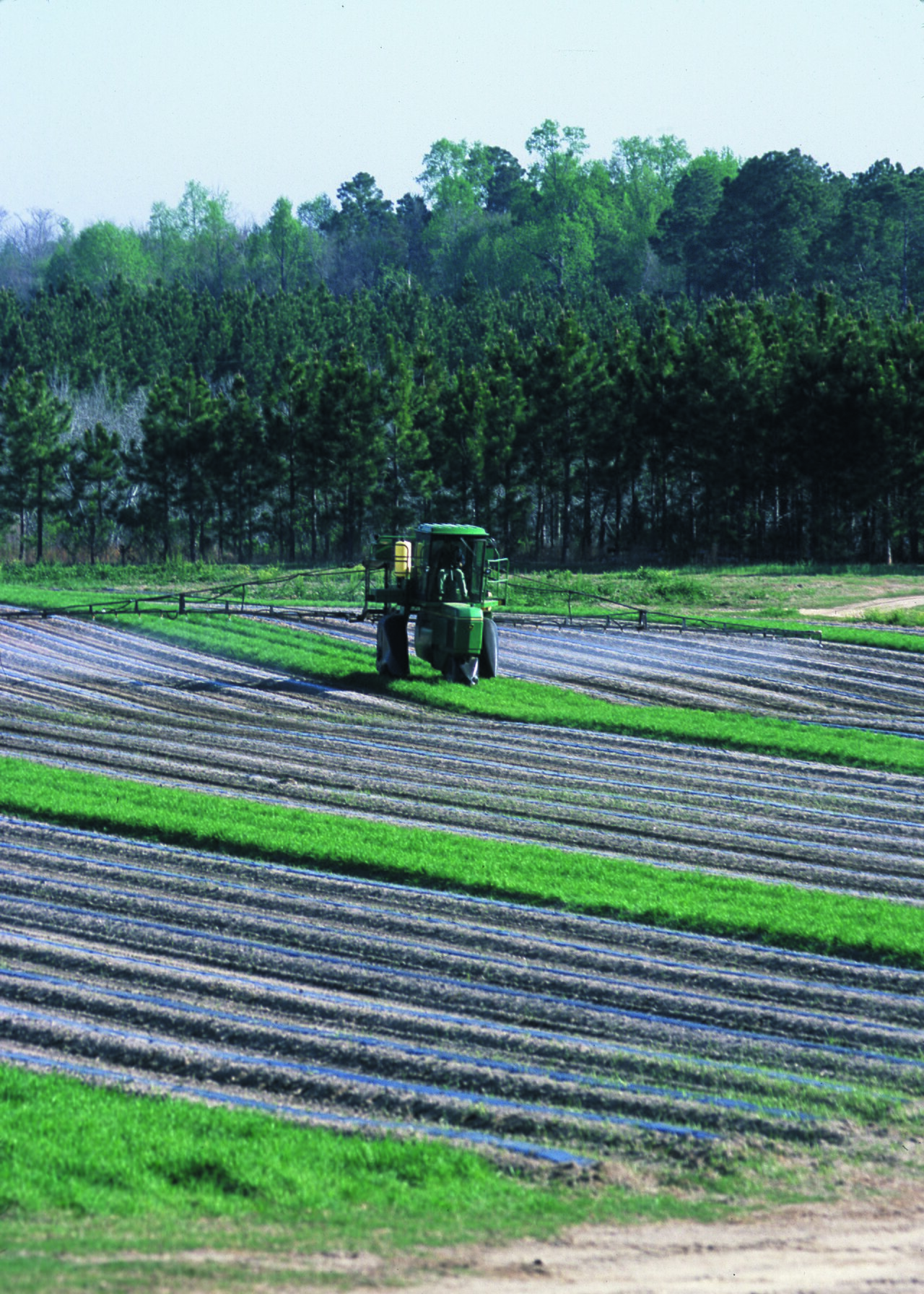
Farmers in Ecuador's Tungurahua Province largely understand that chemical pesticides can harm their health and the environment, but they still treat them as the first answer to every pest problem, according to a CABI-led study published in April 2026 in the journal Advances in Agriculture.
The researchers surveyed 162 farmers in three contrasting food production systems in the same region: Indigenous family farming in Salasaka, horticulture in Izamba and fruit production in Patate. They asked about pesticide use, how farmers weigh its benefits and risks, and what they know about integrated pest management (IPM) and biological control.
Most farmers recognised the risks, and many reported symptoms consistent with pesticide exposure. Earlier studies cited by the authors found Ecuadorian farmers often mix several products, apply some above the recommended rates and harvest before the safe interval after spraying has passed, which raises the risk of residues on produce.
Awareness made a difference. Growers in Izamba knew the most about pesticide risks and were the most likely of the three groups to use IPM. Fruit growers in Patate knew less about alternatives and relied heavily on chemicals, while the Indigenous family farmers in Salasaka also had lower awareness and, apart from homemade botanical extracts, made little use of other options.
The barriers were practical as well. Many farmers get their advice from agrochemical retailers rather than independent extension services, biocontrol products are hard to find in rural areas, and farmers tend to see them as more expensive than conventional pesticides. Knowing that protective equipment is needed also does not help a farmer who cannot afford it.
The authors argue that telling farmers to spray less will not be enough. They call for field-based training through plant clinics, farmer field schools and demonstration plots, affordable bio-inputs and protective equipment, and advice fitted to each community, from training that builds on traditional knowledge in Salasaka to orchard IPM and better pest monitoring in Patate.
Photo: Jeff Vanuga, USDA NRCS / Wikimedia Commons (Public domain)
Source: Global Agriculture

Comments
(0)