
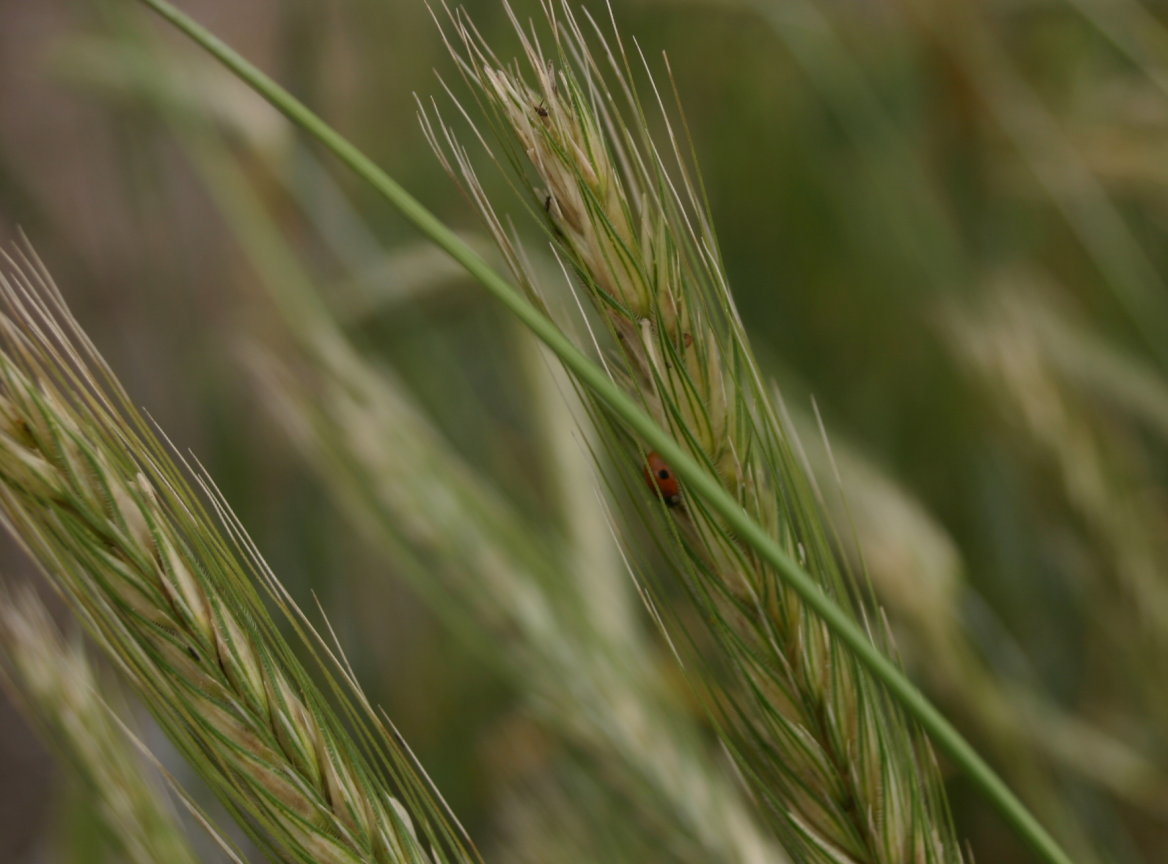
New grain grading factors for durum, wheat and lentils took effect in Canada on 1 August 2026, aimed at sparing farmers downgrades that research shows are not justified by end-use quality, while protecting Canada's reputation with export buyers.
The wheat changes follow a trade memo issued last November after problems with the previous durum crop. Research by the Canadian Grain Commission's Grain Research Lab found that darkened durum kernels harm semolina far less than severe midge damage. "It was quite surprising how severely damaged the kernels had to be for that dark fleck to show up in the end product," said Glenn Tait, a director with Saskatchewan Wheat Development who sits on the Western Standards Committee.
Darkened kernels in Canada Western Amber Durum are now treated as smudge, which has a more relaxed tolerance, and severely darkened kernels as penetrated smudge. The tolerance for penetrated smudge rises from 0.03 to 0.1 percent for No. 1 CWAD, from 0.25 to 0.3 percent for No. 2 and from 0.5 to 0.8 percent for No. 3, and all wheat tolerances increase slightly. Kris Wonitowy, the commission's program manager of national inspection standards, said only 40 percent of crops graded in the top two grades when severe midge was the main grading factor, against a usual figure closer to 50 percent, suggesting about 10 percent were downgraded unnecessarily.
For lentils, the commission has replaced the contrasting classes factor with contrasting colours, which looks at both the seed coat and the cotyledon. The change responds to new red lentil varieties with black or brown seed coats, such as CDC Onyx. Canada exports about 85 percent of the pulses it grows, and buyers worry that dark seed coat fragments left after processing will speckle the product. Mixed loads of black-coated and red-coated red lentils are graded for contrasting colours, so keeping them apart earns the higher grade.
Stuart Lawrence, board chair of Saskatchewan Pulse Growers, called the changes "major but subtle" and a good change for growers. Producers are advised to clean equipment well between crops to avoid downgrades. The report was written by Janelle Rudolph.
Photo: Sten Porse / Wikimedia Commons (CC BY-SA 3.0)
Source: Manitoba Co-operator


Comments
(0)