
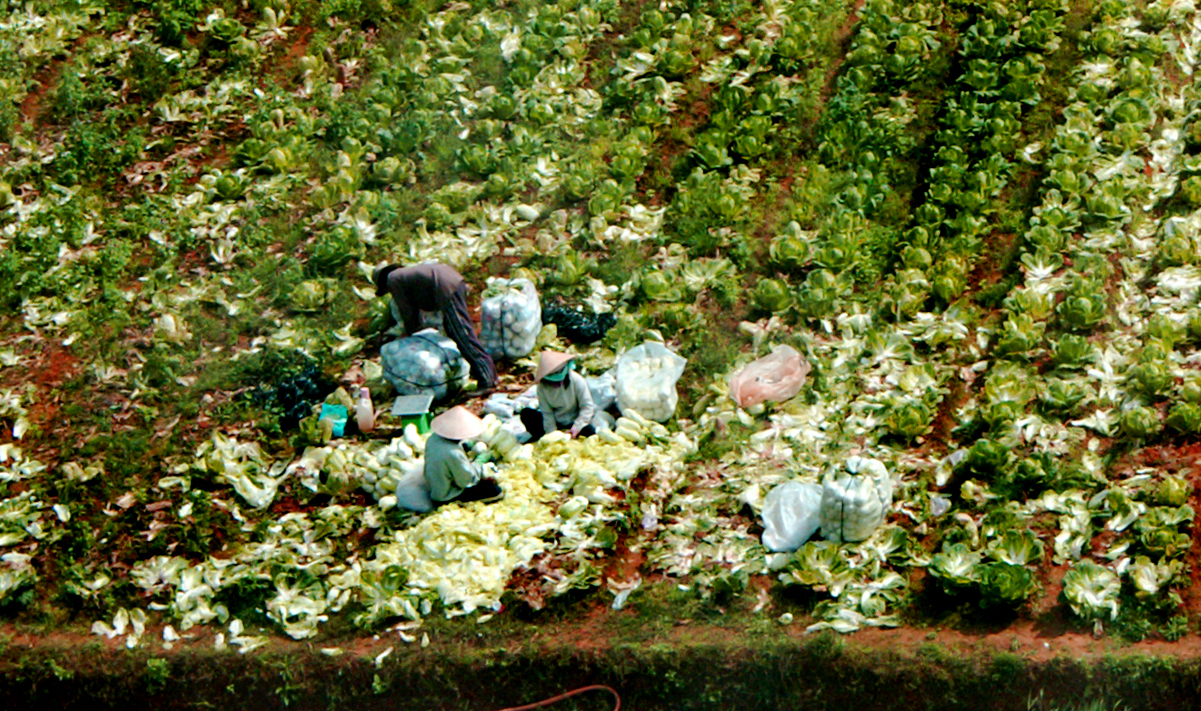
Sibahle Sifo spent her youth avoiding the farm work her father wanted for her. Today her Eastern Cape business, Imbewu YeThemba Agricultural Projects, grows cabbages for street vendors, individual buyers and the retailer Spar, Food for Mzansi reported.
Born in Lusikisiki and raised in Mthatha, Sifo trained in project management and became a store manager at Vodacom in 2019. "I have always wanted to be a corporate girly. Farming was honestly never part of the plan," she said. During a long spell of job hunting, her family, and especially her father, Mtutuzeli Sifo, urged her to start a business of her own.
In 2024 she began on part of the family's 12-hectare arable holding, paying for seedlings and basic inputs from her savings. Veteran local producers Nomsa and MJ Mfiri, who had worked on her father's farm for 12 years, gave her free seedlings. Starting with 300 cabbage seedlings, she learned spacing, irrigation, fertilising and pest control step by step.
On 10 June 2025 a severe flood destroyed her crop and her fencing. She rebuilt, and scaled up from 300 to 5,000 seedlings, mainly of the Mega Star and Green Coronet varieties. She also enrolled in climate-smart agriculture studies through Unisa to prepare for erratic weather, soil degradation and pests. "I lost a lot, but starting again taught me resilience," she said.
She registered the business in 2026 under a name meaning "seed of hope". She works with one core team member, Musa, the Mfiris help when needed, and she hires up to five part-time workers at peak times. Selling to street vendors matters to her because her produce helps them earn a living too. Her next steps are capital for infrastructure, better water management and her own machinery, so she can farm more of the 12 hectares.
The report was written by Lisakanya Venna.
Photo: anthrovik / Wikimedia Commons (CC BY 2.0)
Source: Food for Mzansi

Comments
(0)