
A Netherlands-based think tank, the Ministry of Future Affairs, has launched a regulatory "sandbox" for companies developing novel foods such as cultivated meat and precision-fermented proteins, after the European Commission proposed leaving novel foods out of the sandboxes in its first Biotech Act, Green Queen reported.
The New Foods RegLab will bring together 10 startups of different sizes and product types for two days with regulatory experts who have taken novel food dossiers through the EU approval procedure for more than 15 years. Each firm's regulatory position and strategy will be reviewed to find gaps and next steps. Companies outside the EU may apply, a complete dossier is not required, and British firms are encouraged to apply before the 30 November deadline. The workshop is run with Atova Regulatory Consulting, with support from the Province of Zuid-Holland, the Limburg development company and ROM-Nederland.
Findings will be shared, anonymised, with the European Food Safety Authority (EFSA) and the Commission as policy recommendations. The project takes inspiration from the UK Food Standards Agency's cultivated meat sandbox. "Britain has been running Europe's first novel foods sandbox," said Marnie Hewat of the Alternative Proteins Association, but there has been "no formal route for any of it to reach EU regulators."
A paper behind the project notes that the EU's statutory approval time is 18 to 24 months, but cases take 30 months on average and some more than five years. It argues the delays come from knowledge transfer and process design rather than the safety rules, and proposes opt-in learning platforms across member states. "The EU wants to introduce a much broader pre-submission advice for novel food applicants. However, this would only help one applicant at a time," said Anna Handschuh, the think tank's founder. The story was reported by Anay Mridul.
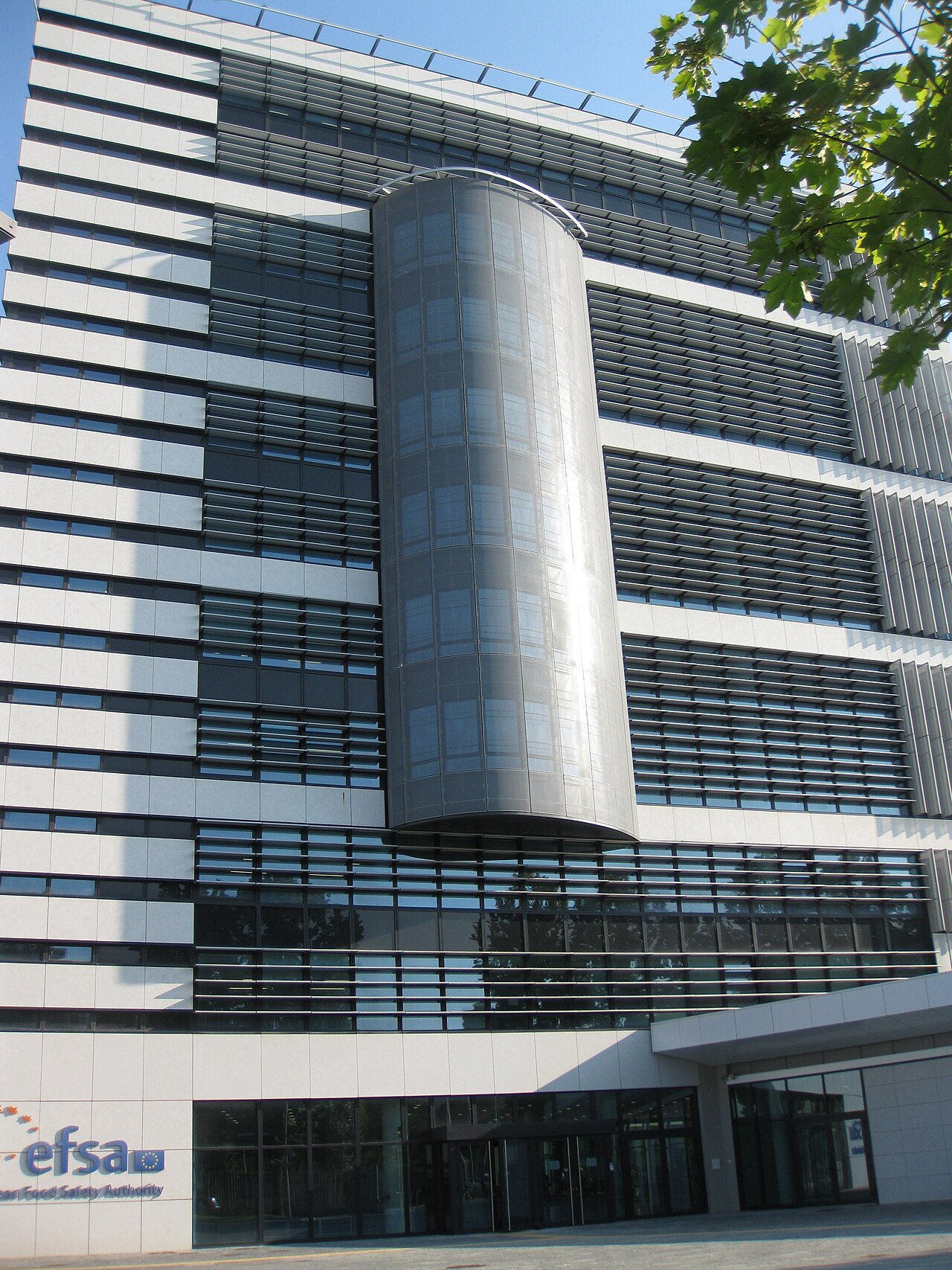
Photo: Laura garimberti / Wikimedia Commons (CC BY-SA 3.0)
Source: Green Queen

Comments
(0)