
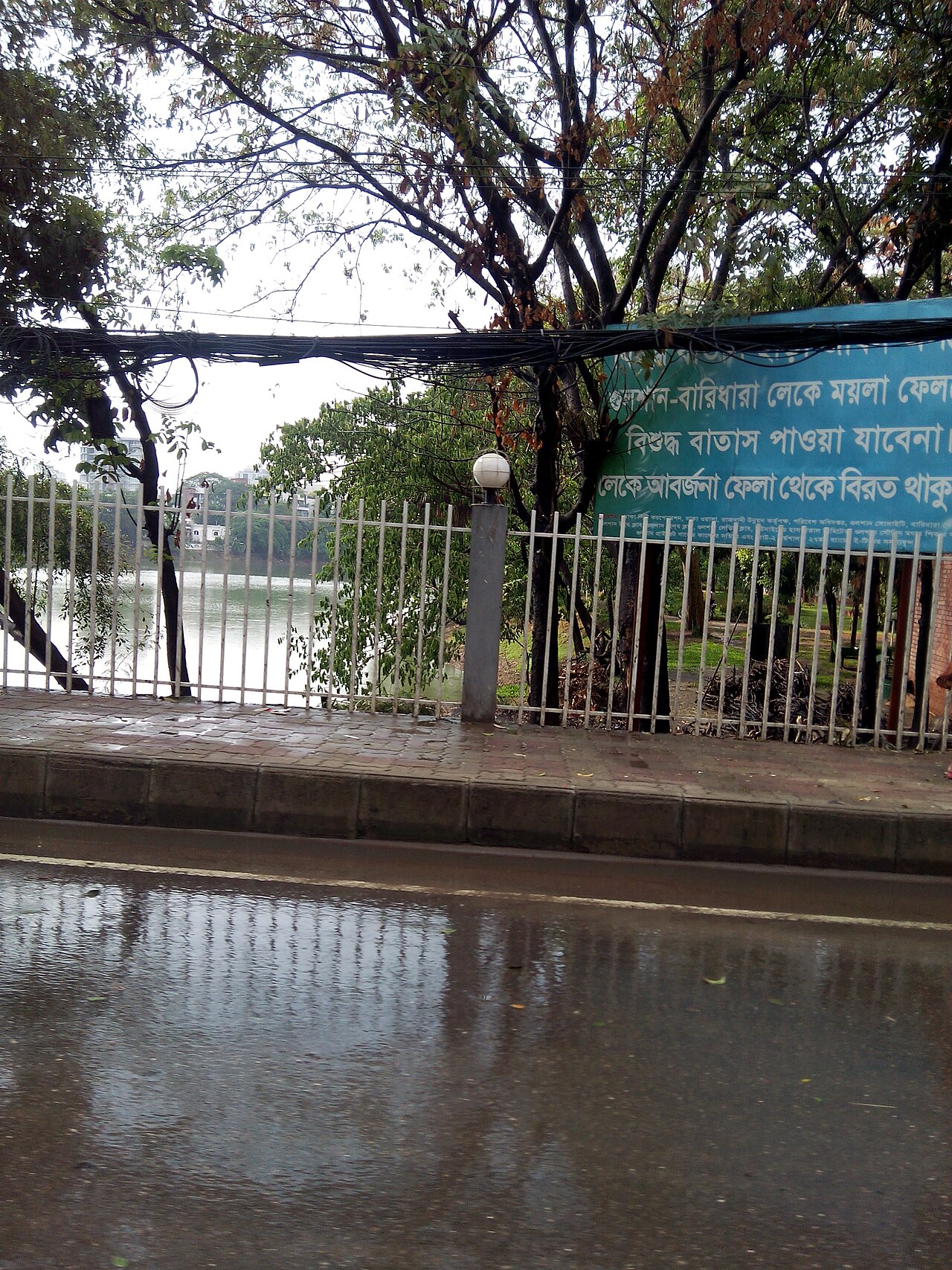
The owners of 1,269 buildings in the area of the capital's development authority, Rajuk, have been ordered to build septic tanks, soak wells and sewage treatment plants (STPs) to stop sewage polluting Dhaka's lakes. Owners whose approved plans already include a septic tank and soak well must start work by 15 November or face mobile courts under the relevant law and rules.
The decision was taken on Wednesday, 28 October, at a meeting of the technical committee on cleaning up Rajuk-area lakes at the housing and public works ministry, chaired by state minister Ahmed Sohel Manzur.
The list of the 1,269 buildings served final notices will go to the local societies. Structural designs for septic tanks and soak wells must be approved by Rajuk, which must decide each application within three days. Action will be taken under the Building Construction Act, 1952 and the Dhaka Metropolitan Building Construction Rules, 2025.
The meeting also discussed current pollution in the lakes, finding its sources, improving water quality, waste and sewage management, and joint action by the agencies to protect the lakes' ecology.
Rajuk chairman engineer Md. Riazul Islam, Dhaka North City Corporation's chief engineer Brigadier General Syed Rafiqul Hasan and chief waste management officer K M Mohammad Humayun Kabir, and leaders of the Gulshan, Baridhara, Banani and Niketan societies attended.
Photo: Gulshan-Baridhara Lake, Dhaka, Aashaa / Wikimedia Commons (CC BY-SA 3.0)
Source: Banglanews24



Comments
(0)