
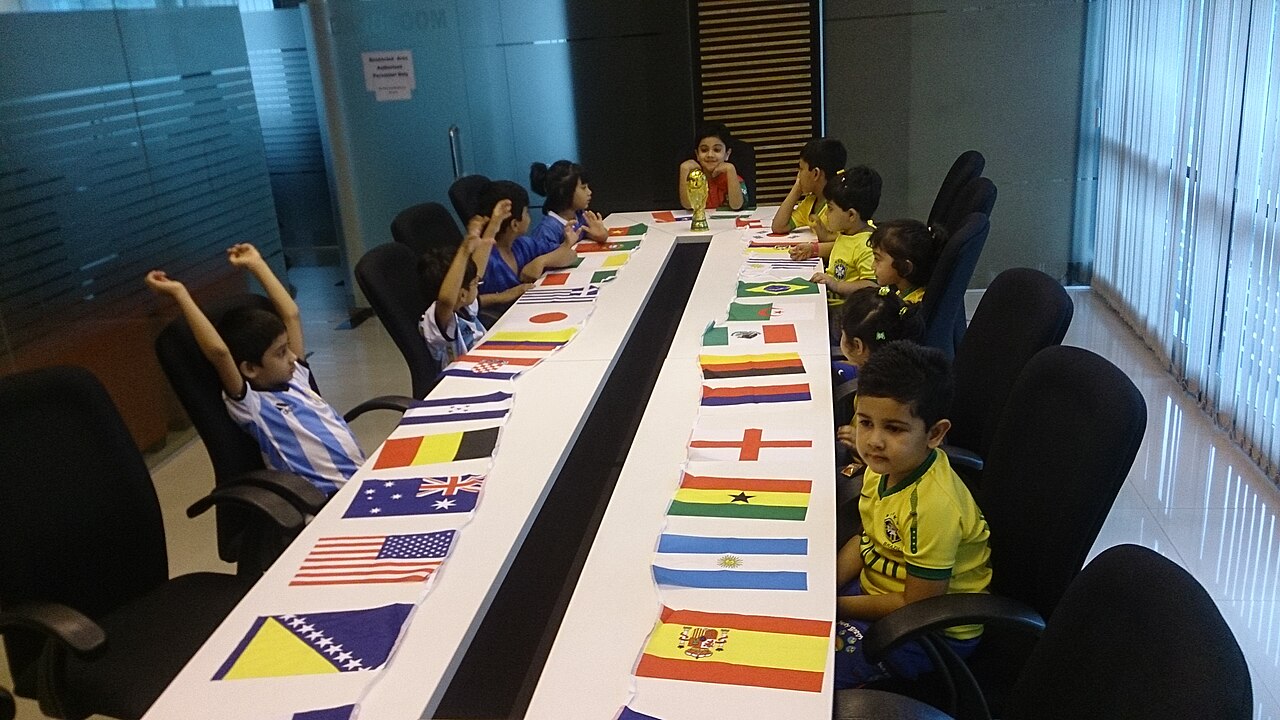
Dhaka's district administration is borrowing Japan's "osoji" model, in which pupils clean their own schools, to build responsibility, respect for work and environmental awareness. A pilot called the Clean School Team starts in 21 schools in Dhaka; divisional commissioner Md. Moniruzzaman Mia launched it at the deputy commissioner's office.
Cleaning will take 15 to 20 minutes a day within the school timetable. Pupils will work in small groups on safe areas such as classrooms, corridors and libraries, supervised by teachers, while toilets, dirty drains and hazardous spots are left to staff.
Dengue risks will be checked every week, and risky spots and the progress made on them recorded on a checklist. Waste will be sorted into biodegradable, recyclable and other, and pupils will learn how biodegradable waste can be turned into compost.
To carry the habit home, pupils will get a weekly "My home, my responsibility" checklist: keeping rooms tidy, putting rubbish in its place and not letting water stand around the house. Teachers will review it every Sunday.
Dhaka deputy commissioner Farida Khanam said: "Cleanliness is not only about keeping the school clean; it is an important lesson in responsibility, the dignity of labour and care for the environment."
Schools will be assessed on cleanliness, dengue prevention, waste management and pupil participation in a "Clean School Challenge", with certificates, books, school supplies or saplings proposed for the best schools, classes and pupils. The administration said it spent about three months studying the osoji model before starting.
Photo: Children at a school in Dhaka, Sakibnb / Wikimedia Commons (CC BY-SA 4.0)
Source: Ittefaq

Comments
(0)