
Health risks from climate change are rising faster than the response to them, says the new Lancet Countdown report, led by University College London with the World Health Organization. It calls for climate change to be treated as a global public health emergency. The report drew on 146 researchers from more than 100 institutions in over 30 countries.
From 2016 to 2023, extreme heat was linked to an average of more than 540,000 deaths a year, 68 percent of them attributable to climate change. In 2023 alone about 710,000 deaths were linked to extreme heat, more than 71 percent of them driven by climate change. Over 2016-2023 about 3 million deaths in all were linked to climate change.
One figure matters to anyone who works outdoors, farmers included: lost labour capacity from extreme heat cost the world economy more than $1 trillion in potential income in 2025, the third year in a row above that mark.
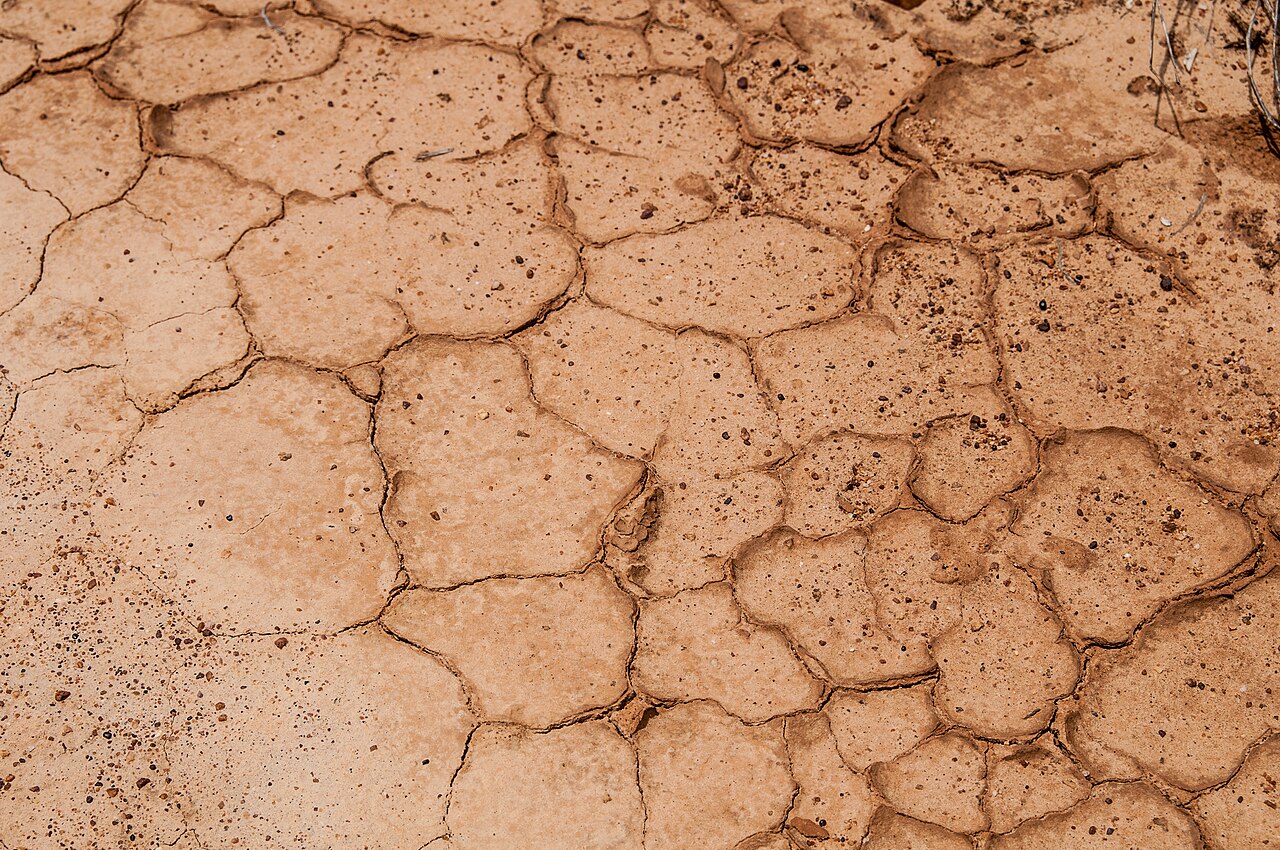
Drought and downpours are spreading. The area of land hit by extreme drought grew about 700 percent faster in 2016-2025 than in the previous decade, and in 2025 more than half the world's land suffered at least a month of extreme drought. Land affected by extremely heavy rain rose from 14.8 percent in 2006-2015 to 17.2 percent in 2016-2025.
There was progress too. Global clean energy investment rose more than 7 percent in 2025 to a record $2.1 trillion, 82 percent more than investment in fossil fuels. Renewables' share of electricity grew from 5.5 percent in 2016 to 13.5 percent in 2023, and cleaner air prevented an estimated 323,000 deaths a year. Yet fossil fuels still supply more than 80 percent of the world's energy, and their air pollution kills about 2.7 million people a year.
The researchers recommend fast and fair cuts in greenhouse gas emissions, putting health at the centre of climate policy, sharing climate and health data, and more grants and low-interest loans from rich countries.
Photo: Drought-cracked soil, Wilfredor / Wikimedia Commons (CC0)
Source: RTV Online



Comments
(0)