
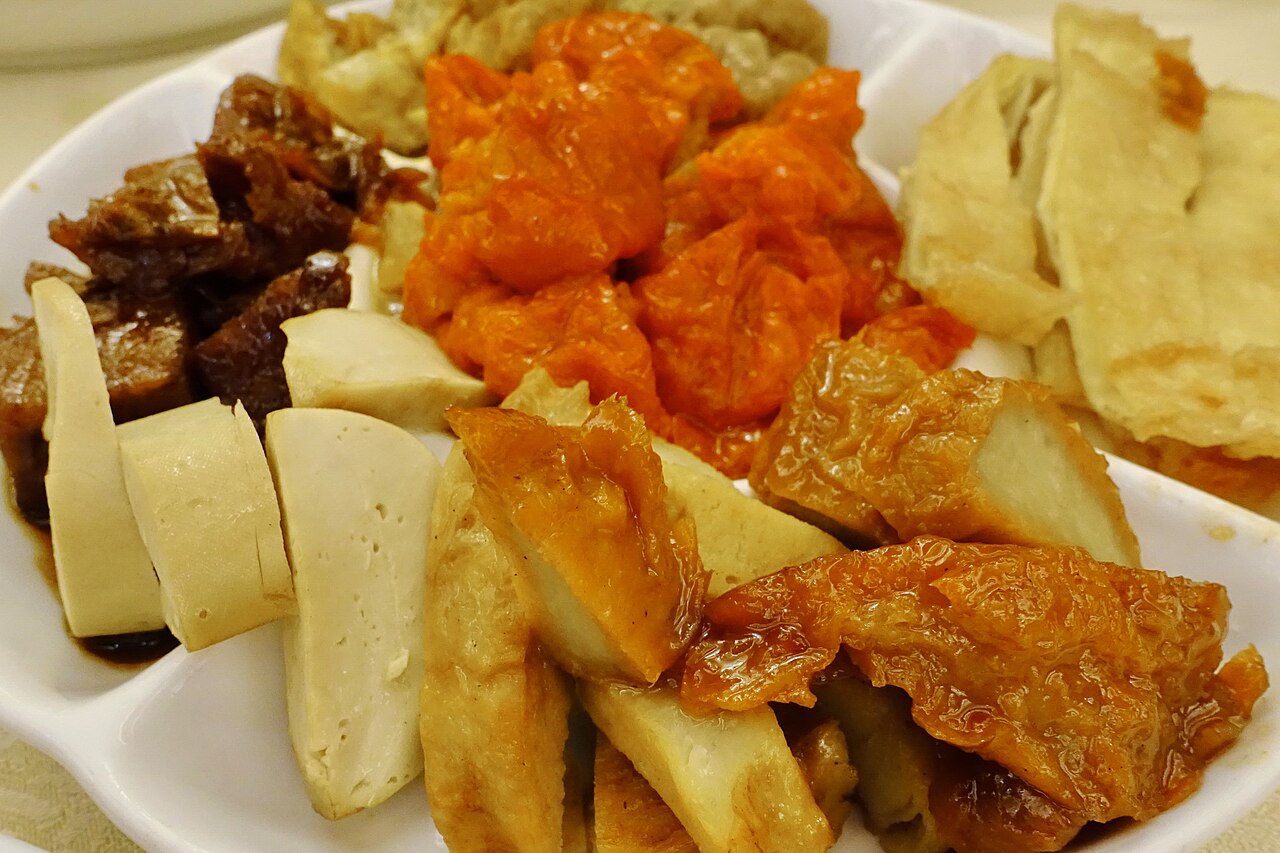
Five plant-based meat products sold in India delivered a larger share of potentially absorbable protein than the chicken products they imitate, in laboratory tests by the CSIR-Institute of Himalayan Bioresource Technology (CSIR-IHBT) and the Good Food Institute (GFI) India, AgroSpectrum reported.
The researchers cooked the products and put them through in vitro gastrointestinal digestion, a laboratory method that simulates parts of human digestion. The plant-based products showed protein bioavailability of 57 to 86 per cent, against 21 to 43 per cent for conventional chicken. Two plant-based seekh kebabs reached 81 and 86 per cent, against 39 per cent for chicken; two burger patties 57 and 58 per cent, against 21 per cent; and plant-based nuggets 61 per cent, against 43 per cent.
The report sets limits on what that means. It tested five commercial products in a laboratory model, and in vitro estimates do not by themselves show how much protein a person absorbs in real life, nor prove that plant-based meat is nutritionally better than chicken overall. Its wider point is that protein should be judged by its amino acid make-up, digestibility and bioavailability, not only the grams on the label, and that processing can change how much protein is available for digestion.
The report, Protein Quality and Bioavailability of Indigenous Crop-Based Ingredients and Plant-Based Meat Products in India, was presented at the CSIR Science Centre in New Delhi to representatives of CSIR, the World Food Programme, GAIN, ITC and academic and industry groups. It notes that nearly half of India's dietary protein comes from cereals, and that India, among the largest producers of pulses and millets, imports nearly 90 per cent of its plant protein isolates, mostly from soy and pea.
"Despite being the world's largest producer of millets and pulses, India imports the majority of the plant protein concentrates and isolates," said Dr Sudesh Kumar Yadav, director of CSIR-IHBT. Padma Ishwarya, senior scientist at GFI India and a co-author, said the sector could market nutrition "beyond just grams of protein".
Turning indigenous crops into reliable ingredients would need ingredient specifications, processing plants, formulation skills and quality assurance, and the report says farmers and domestic manufacturers could gain new markets, depending on procurement and processing economics and lasting demand. Roundtable participants proposed an industry and academia consortium to speed up commercialisation, while price, taste and convenience will still decide what consumers buy.
Photo: Mk2010 / Wikimedia Commons (CC BY-SA 4.0)
Source: AgroSpectrum

Comments
(0)