
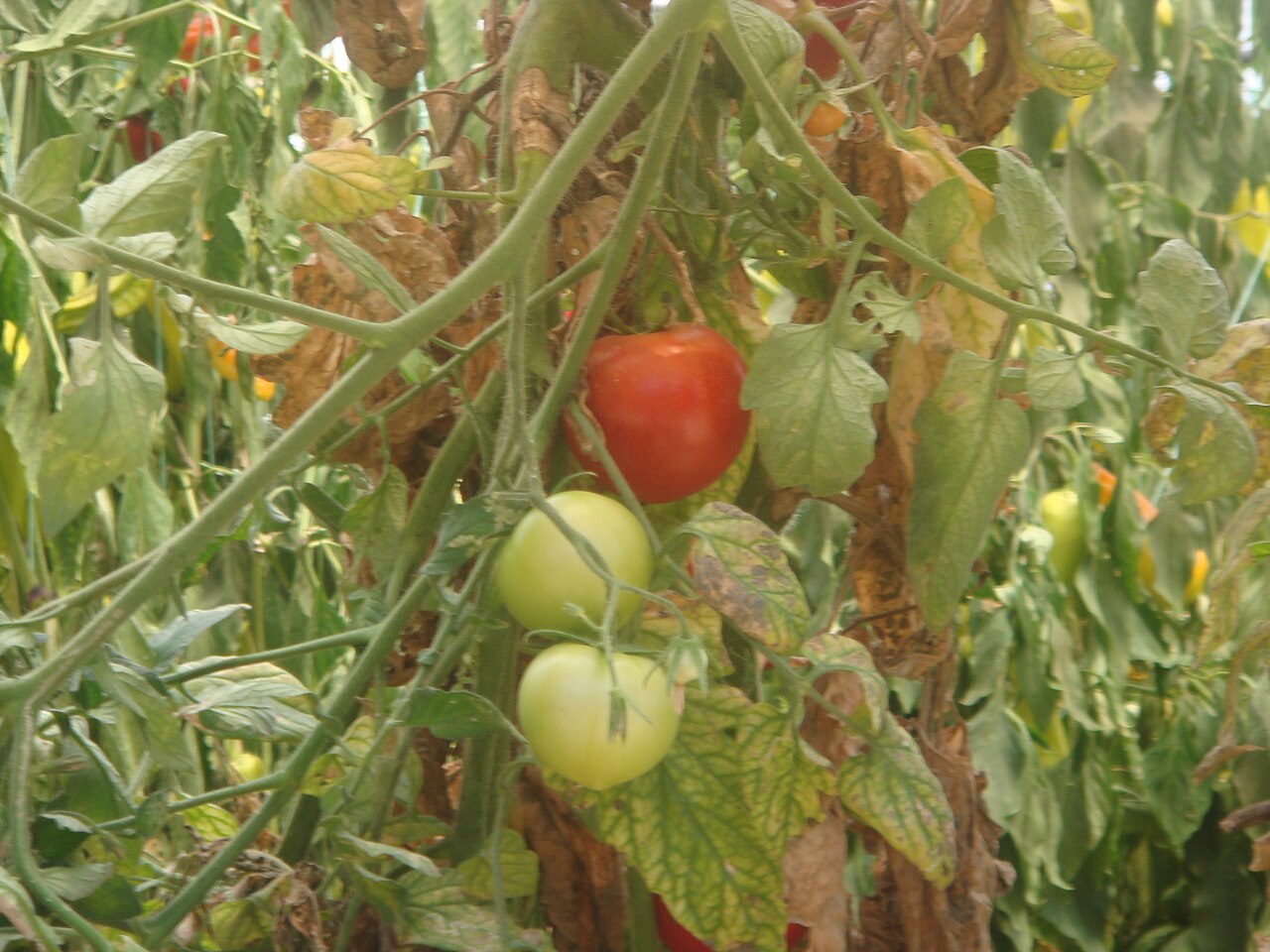
Greenhouse tomato growers can now use Polly, an autonomous robot that pollinates tomato flowers, Farms.com reported. Arugga's robot was developed through a collaboration between agricultural technology companies and tested for more than five years in commercial greenhouses in Europe and North America.
Tomato plants pollinate themselves, but fruit only sets well when pollen is released and moved inside the flower. Low light, extreme heat and other stress cut pollination rates and with them yield and quality. In winter, short days, energy-saving screens and supplementary lighting slow down the bumblebees that greenhouses rely on, and in summer very high temperatures do the same.
Polly scans the plants with cameras and image-recognition software, picks out the flowers that are ready, and releases short, controlled bursts of air that shake the pollen loose and encourage fruit set. Growers place it at the start of a row and an autonomous base lets it work through the day with little supervision; faster operation now allows one robot to cover up to one hectare of greenhouse.
"Arugga's pollination robots are designed to work alongside bumblebees," said Jorden van de Walle, product manager for pollination at Biobest. "They provide an additional layer of pollination security, helping maintain consistent pollination even when environmental conditions limit bumblebee activity."
Field trials showed yield increases of 2% to 6%, which in a large commercial greenhouse can make a real difference to profit. The robot can be leased, with maintenance, warranty, technical support and replacement parts included, or bought outright.
Labour shortages, rising costs and the push for consistent crops are driving interest in greenhouse automation, and pollination is one of the tasks now being handed to machines as controlled-environment agriculture grows.
Photo: Lemur12 / Wikimedia Commons (CC BY-SA 3.0)
Source: Farms.com

Comments
(0)