
Farm advisory services built around government officers handing technical advice down to farmers no longer meet smallholders' needs, CABI said at the 2026 FAO Science and Innovation Forum, where Janny Vos represented the organisation on a panel about reimagining agricultural extension for smallholder food security.
The panel's central question was whether farmers should co-lead innovation. Vos's answer was yes: farmers must be active partners in developing the advice, technologies and services meant to help them, and their own knowledge should inform how innovations are developed or adapted. CABI names three conditions for that change: pluralistic, demand-driven and inclusive services; a well-trained workforce; and a mix of face-to-face and digital advice.
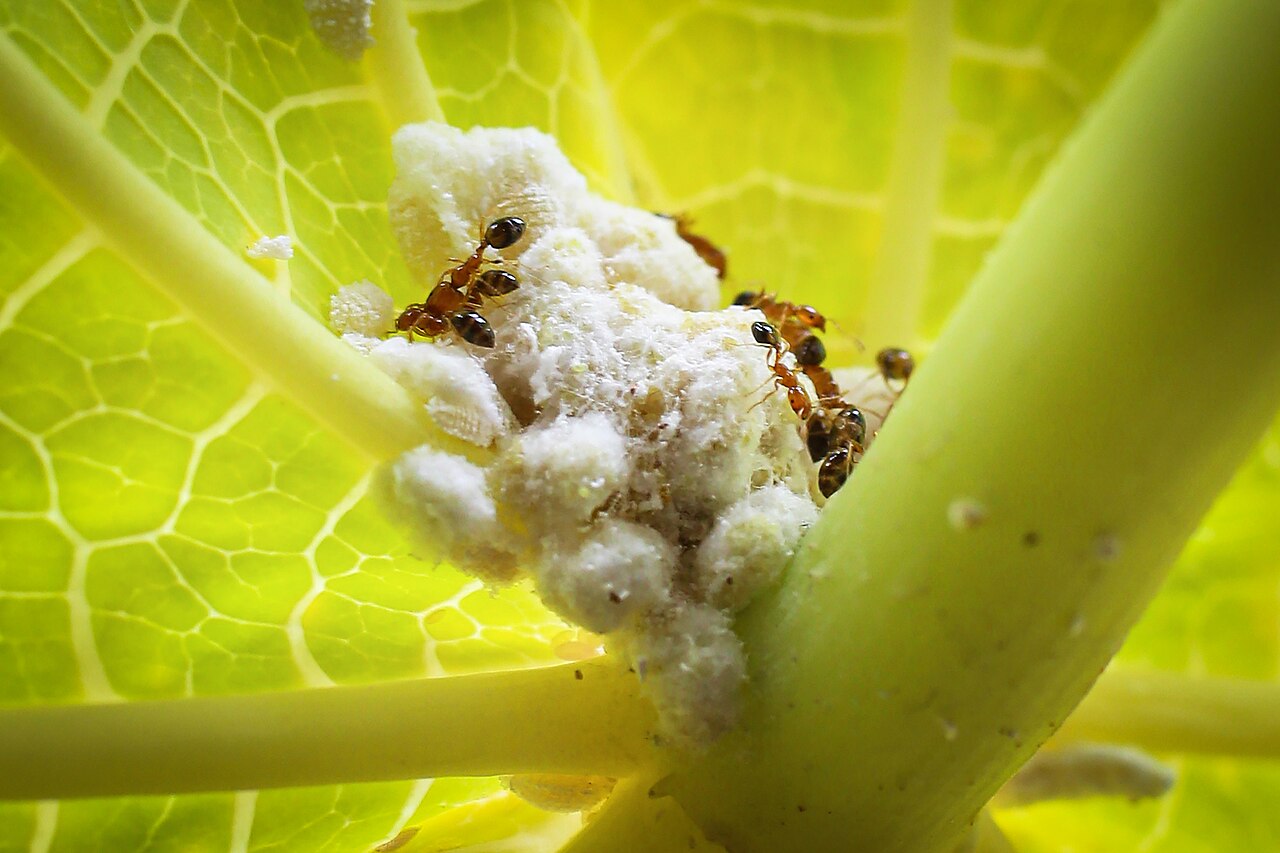
The case rests on how farmers actually get advice. As public money for extension shrinks, they turn to agro-dealers, non-governmental groups, neighbours, private businesses, digital platforms and the media, and they increasingly need help beyond production: market access and compliance, value addition, climate adaptation and sustainable practice. Women, young people and farmers in remote places face extra barriers to that advice. In Kenya, CABI's PlantwisePlus programme studied how farmers saw biological control of papaya mealybug before promoting it, and found strong support for collective pest management alongside worries about the time and labour involved.
"We need to promote pluralistic approaches that embed diverse funding sources, various service-delivering actors and delivery mechanisms, as well as recognize and build on farmers' indigenous knowledge, experiences and wisdom," said Dr Negussie Efa, a senior scientist at CABI.
The programme's Farmer Advisory Pathway combines plant clinics, where trained plant doctors advise farmers in person, with digital crop health tools, digital skills training aimed at women, and support for women and young entrepreneurs to become service providers. Through the Generative AI for Agriculture Advisory (GAIA) project, CABI is testing whether AI can make local farming information easier to reach for farmers held back by literacy, gender or digital skills. It has supported plant clinics in more than 27 low- and middle-income countries, and evaluations of the earlier Plantwise programme found that farmers using the combined services adopted the promoted practices, got higher yields and incomes, and moved to lower-risk pesticide use.
Advisers need training to match. They must diagnose the cause of a problem, weigh the options, and guide farmers towards integrated pest management, biological control and lower-risk alternatives to conventional pesticides, as well as climate adaptation and farming as a business. In Viet Nam, An Giang University has built CABI Academy's online plant health courses into its teaching, and more than 400 students have enrolled. CABI's view is that digital tools cannot replace the trust built face to face, and that the two should be combined.
"We need to understand which approaches work best for that particular context, who they reach and whether they can continue to support farmers in the long term," said Dr Dannie Romney, CABI's director of development and extension.
Photo: MJN2000 / Wikimedia Commons (CC0)
Source: Global Agriculture

Comments
(0)