
Acute hunger in Haiti is set to reach record levels next year, the UN World Food Programme said on 28 October, as violence, economic instability, displacement, poor harvests and the growing effects of El Nino combine.
The latest Integrated Food Security Phase Classification (IPC) analysis projects that 6.35 million people will be acutely food insecure from March to June 2027, more than half a million more than in the same months of 2026. Almost two million of them are likely to face Emergency (IPC 4) levels of hunger. WFP had warned earlier in the year that modest improvements were fragile and needed sustained support.
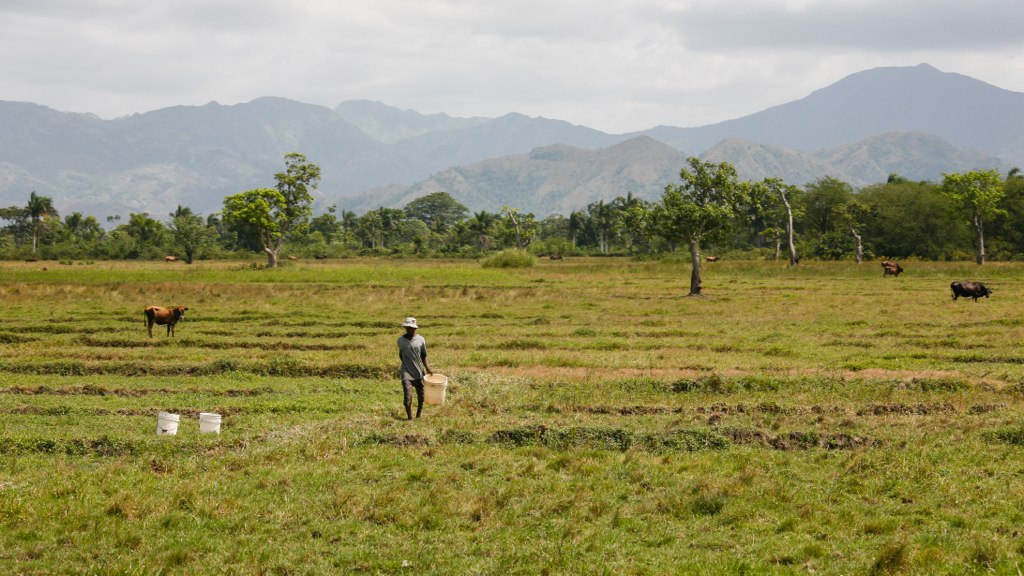
The countryside is expected to worsen as well as the cities. Several rural areas are forecast to slide from Crisis (IPC 3) to Emergency (IPC 4) between March and June 2027. El Nino is bringing droughts and floods at the same time, which are already cutting harvests and leaving farmers less able to prepare for the next planting season, and armed groups on the roads make it hard for farmers to get produce to local markets.
More than 1.5 million Haitians have fled their homes. Displaced families cannot work or grow their own food, and most live in overcrowded, unhygienic sites. "Many have been displaced multiple times and are arriving with nothing but the clothes on their backs," said Lauren Landis, WFP's country director in Haiti.
This year WFP and the government have supported 2.6 million Haitians with emergency food and cash, social protection, malnutrition prevention for young children and school meals, 74 per cent of which are made with food grown by local farmers. The agency also runs anticipatory cash transfers, repairs water infrastructure and rural roads, and offers micro-insurance that protects farmers against crop losses from drought or excessive rain.
"This multifaceted crisis reminds us how important it is to not just provide life-saving emergency food assistance, but also to scale up longer-term investments that help communities withstand shocks," Landis said. WFP says it urgently needs USD 78 million to keep these operations going through March.
Photo: Alex Proimos / Wikimedia Commons (CC BY 2.0)
Source: WFP



Comments
(0)