
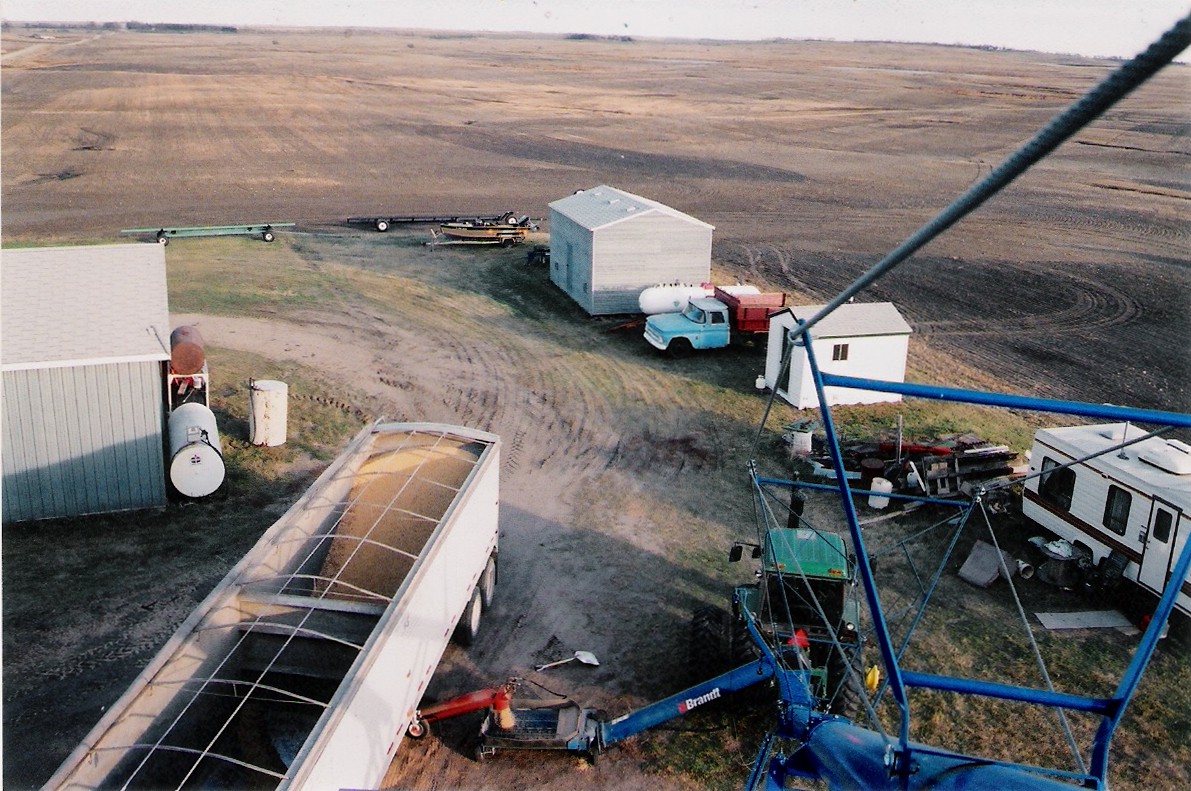
Cereal growers who harvested grain wet this autumn need to manage storage carefully to stop Ochratoxin A (OTA), a harmful toxin, from forming in their bins, the Canadian market-access programme Keep it Clean advises, Farms.com reported.
Unlike diseases that develop in the field, OTA forms after harvest, in storage, when moisture and temperature let the fungi that produce it grow. Even healthy-looking grain can be contaminated. High moisture, condensation inside bins, leaks, dirty equipment and leftover grain from earlier crops all raise the risk, and once OTA has formed it cannot be removed by heating, milling or normal food processing.
The first step is to dry grain to a safe moisture level as quickly as possible, and not to mix damp grain with dry grain, which leaves pockets of higher moisture in the bin. Cooling comes next: lower temperatures slow fungal growth and moisture movement, and aeration brings grain temperatures down quickly and evenly. As the weather turns colder, growers should keep cooling the grain whenever they can, which also reduces condensation.
Before filling bins, clean the bins, augers, conveyors and other handling equipment, since dust, soil and old grain can carry the fungi. After filling, check bins regularly for temperature changes, unusual smells, moisture or signs of spoilage. A rise in temperature can mean biological activity, and moving part of the grain improves airflow and can stop the problem spreading.
The stakes are commercial as well as practical. Buyers expect grain to meet strict standards, and contamination can cost sales and returns. Weather is out of a farmer's hands, the advice concludes, but drying, cooling, clean storage and monitoring are not, and in a difficult harvest year they protect the value of the crop until it is sold.
Photo: Steve Wilson / Wikimedia Commons (CC BY 2.0)
Source: Farms.com
Comments
(0)