
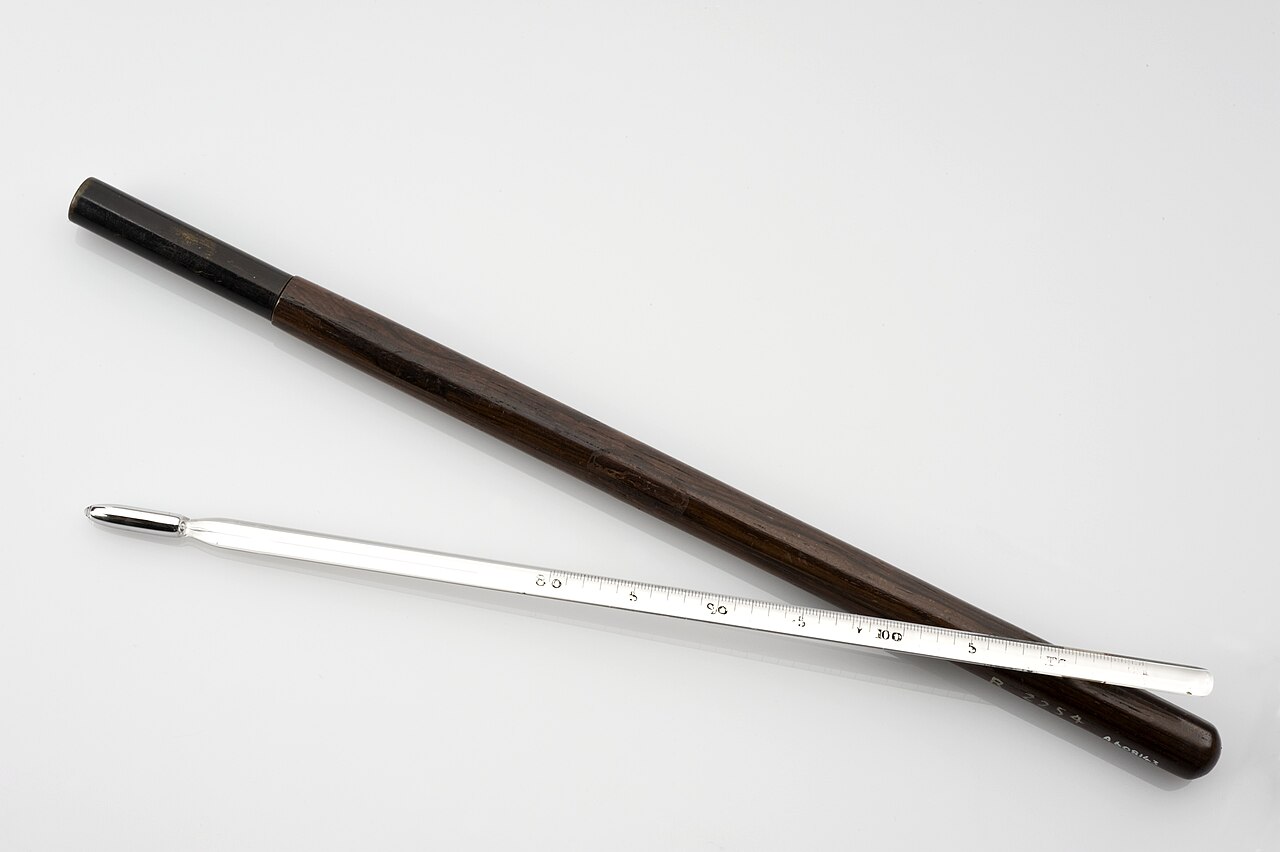
Fevers are going round almost every household as the season changes, and for many people paracetamol is not bringing the temperature down. Dr Mahbuba Shabnam, associate professor of medicine at Green Life Medical College and Hospital, reminded Prothom Alo readers that fever is not a disease in itself but a symptom, so it is the signs that come with it, not only the temperature, that matter.
Fever can have many causes, she said, among them flu, dengue, chikungunya, typhoid, pneumonia, urinary infection, inflammation of the brain and hepatitis. Many viral fevers, dengue included, usually last from three or four days to a week, sometimes longer.
She advises watching for dehydration: a dry mouth and tongue, and how much urine is passed. A person with fever should drink about 2.5 litres of fluid a day, such as water, coconut water, soup and oral rehydration saline, and rest as much as possible. It helps to record the temperature and how many days the fever lasts.
Paracetamol may be needed, but only in the right dose for the person's age and condition. Antibiotics, painkillers and steroids must not be taken without a doctor's advice. If paracetamol does not bring the fever down, there is no need to panic: sponge the body and stay somewhere airy and well lit. A fever that lasts three days or more needs a doctor.
Go to hospital without delay, Dr Shabnam advises, if the fever comes with breathing difficulty, cough, extreme weakness, severe headache, repeated vomiting, diarrhoea, severe abdominal pain, bleeding anywhere in the body, passing less urine than usual, or convulsions.
For children, older people, pregnant women and anyone with a serious existing illness, extra caution is essential whatever the temperature, she said.
Photo: Wellcome Collection / Wikimedia Commons (CC BY 4.0)
Source: Prothom Alo

Comments
(0)