
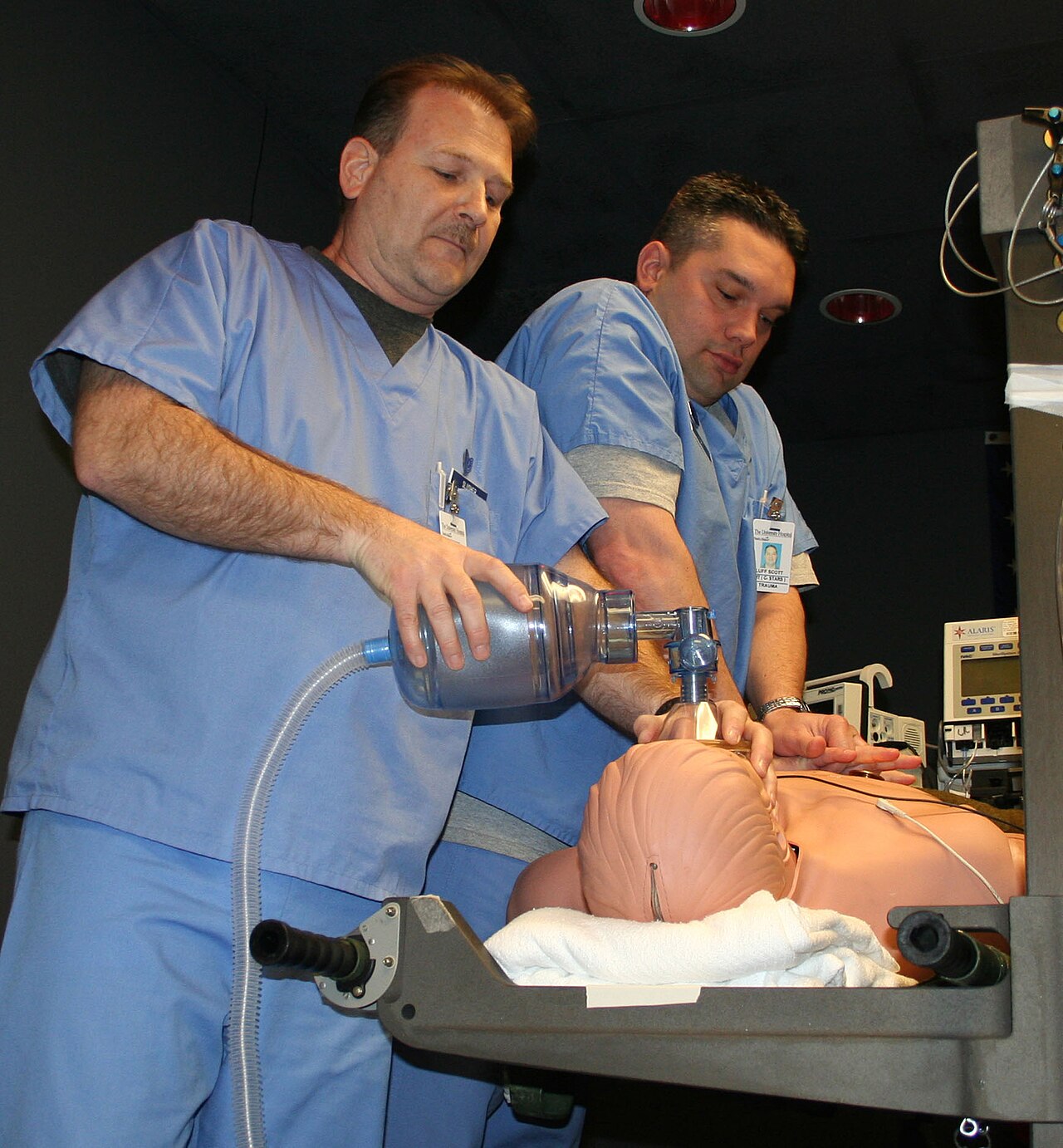
Heart attack and cardiac arrest are often used to mean the same thing, but medically they are different conditions. Both can be fatal and need urgent treatment, yet they differ in cause, symptoms and what to do in an emergency, Bangla Tribune explains, drawing on the American Heart Association (AHA) and the UK's National Health Service (NHS).
A heart attack is essentially a problem of blood flow. When a coronary artery is blocked, part of the heart muscle is starved of oxygen and, without quick treatment, is damaged. Symptoms include pressure, pain or heaviness in the chest, breathlessness, cold sweat, nausea and dizziness; the pain can spread to the arm, back, neck, jaw or upper abdomen. Symptoms vary and are sometimes mild.
A cardiac arrest is caused by a disturbance in the heart's electrical activity. The heartbeat becomes so irregular that the heart cannot pump blood, and oxygen stops reaching the brain and other vital organs. The person collapses suddenly, does not respond and stops breathing normally, sometimes only gasping.
In a heart attack the person is usually conscious and the heart keeps beating; in a cardiac arrest the person quickly loses consciousness. The two are linked: a heart attack can trigger a cardiac arrest, though not every one does, and other rhythm problems can also cause cardiac arrest.
If someone has chest pressure or pain, breathlessness or cold sweat, get emergency care at once rather than waiting to see whether the symptoms pass. If someone collapses, check whether they respond and are breathing normally; if not, call emergency services, start CPR and use an automated external defibrillator (AED) if one is nearby, following its instructions. Without training, follow the emergency call handler's instructions and push hard and fast in the centre of the chest.
Photo: US Air Force / Wikimedia Commons (public domain)
Source: Bangla Tribune


Comments
(0)